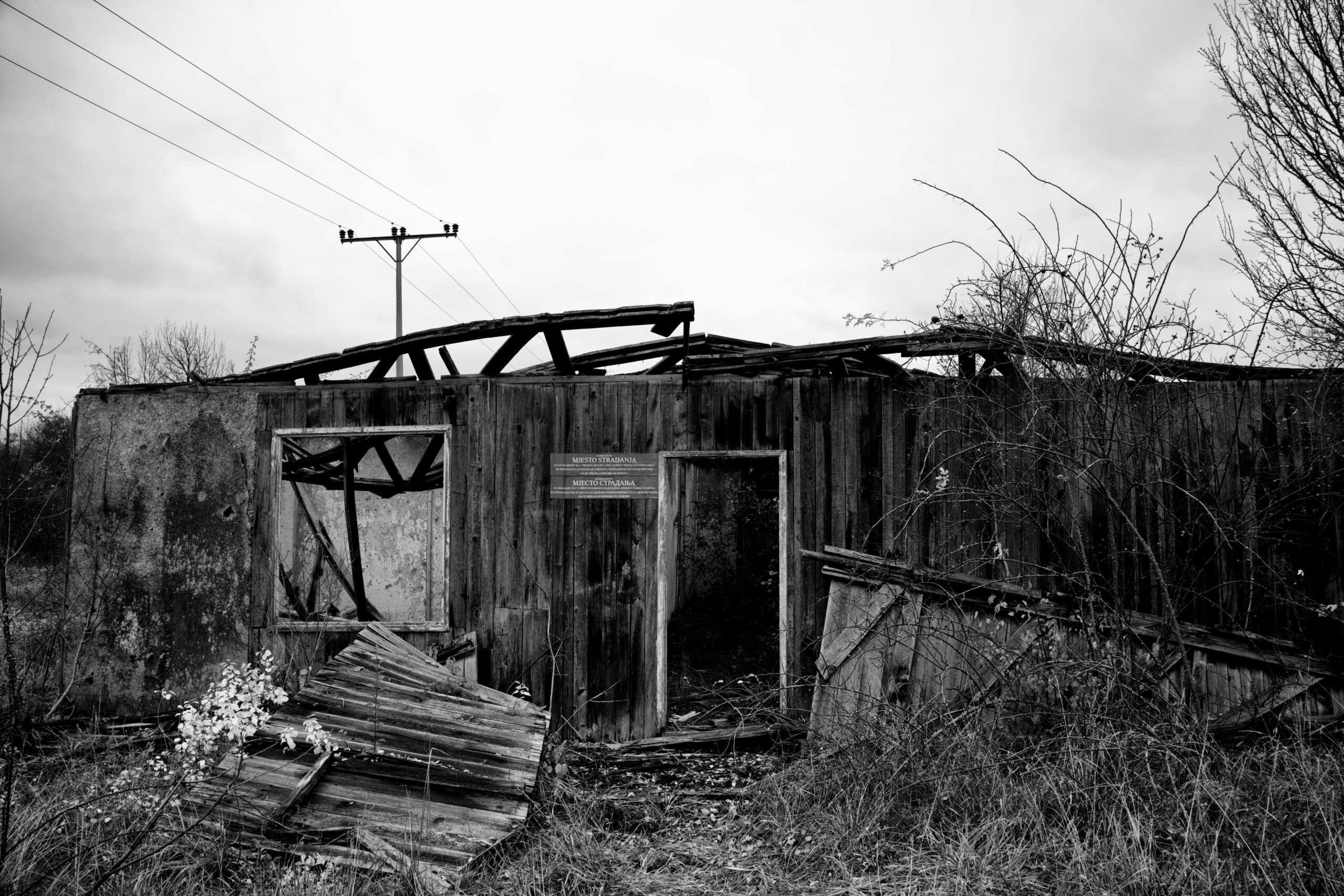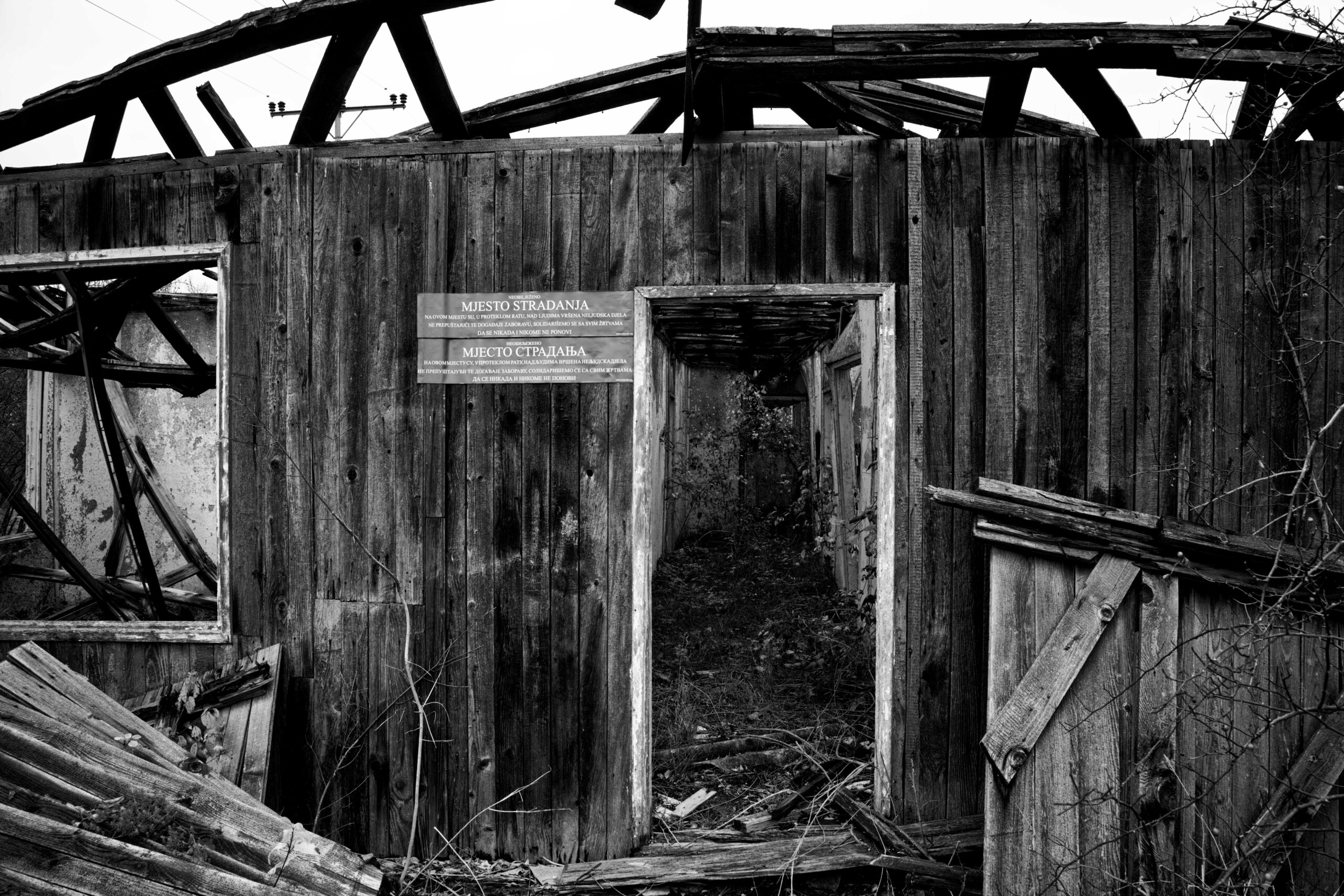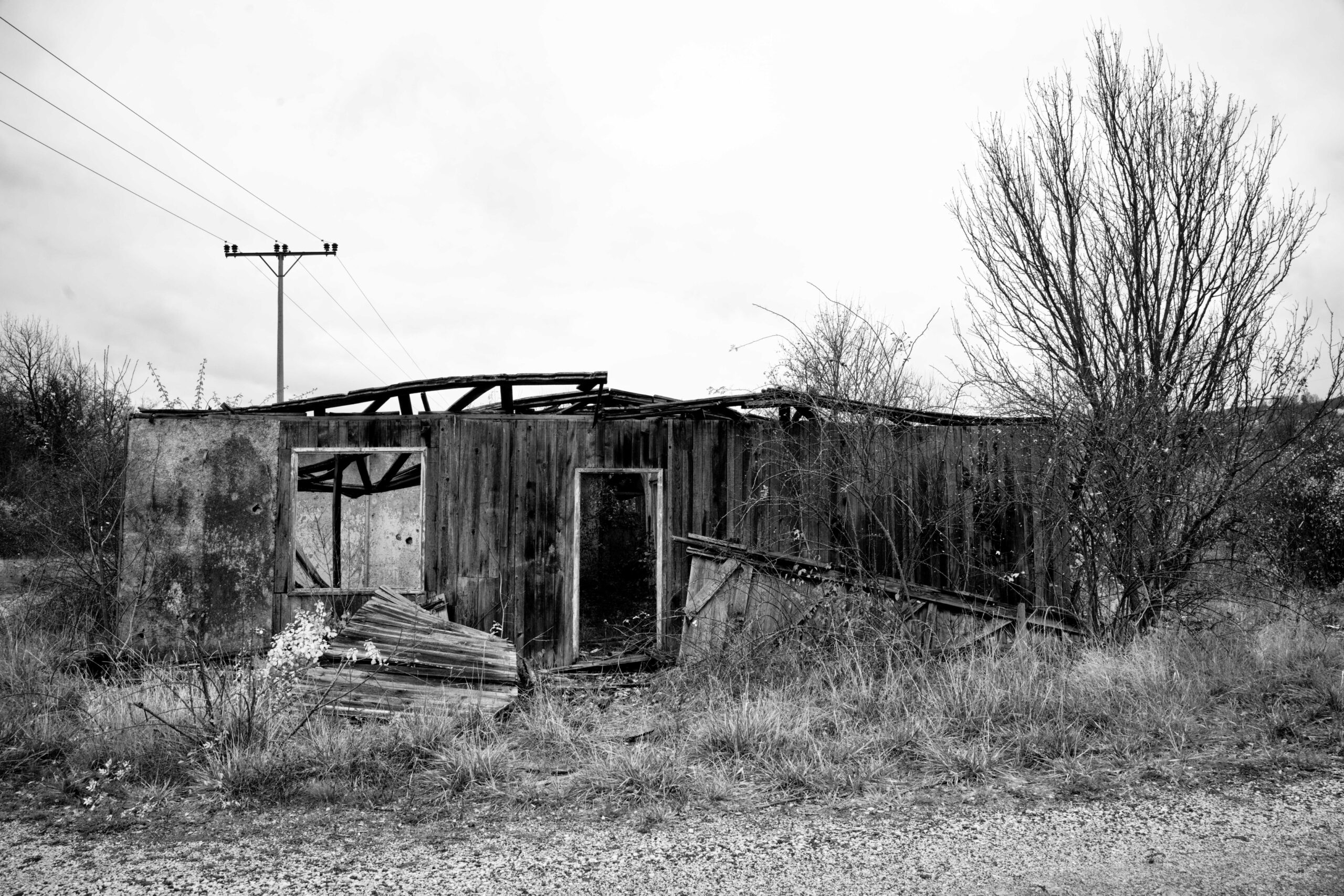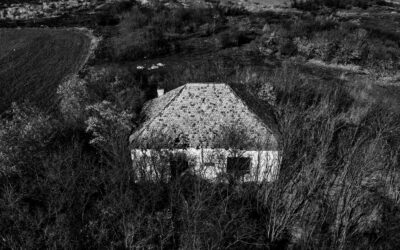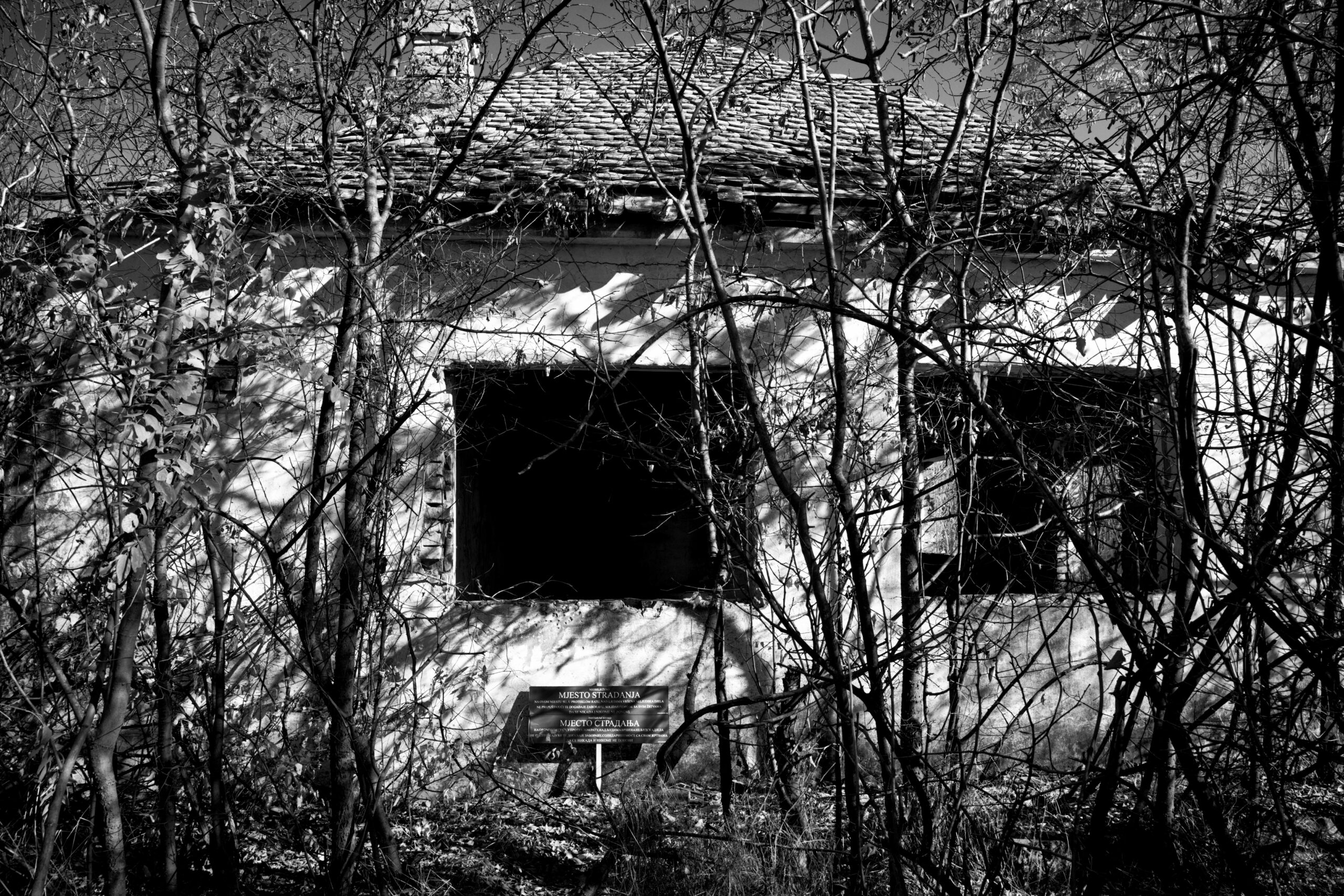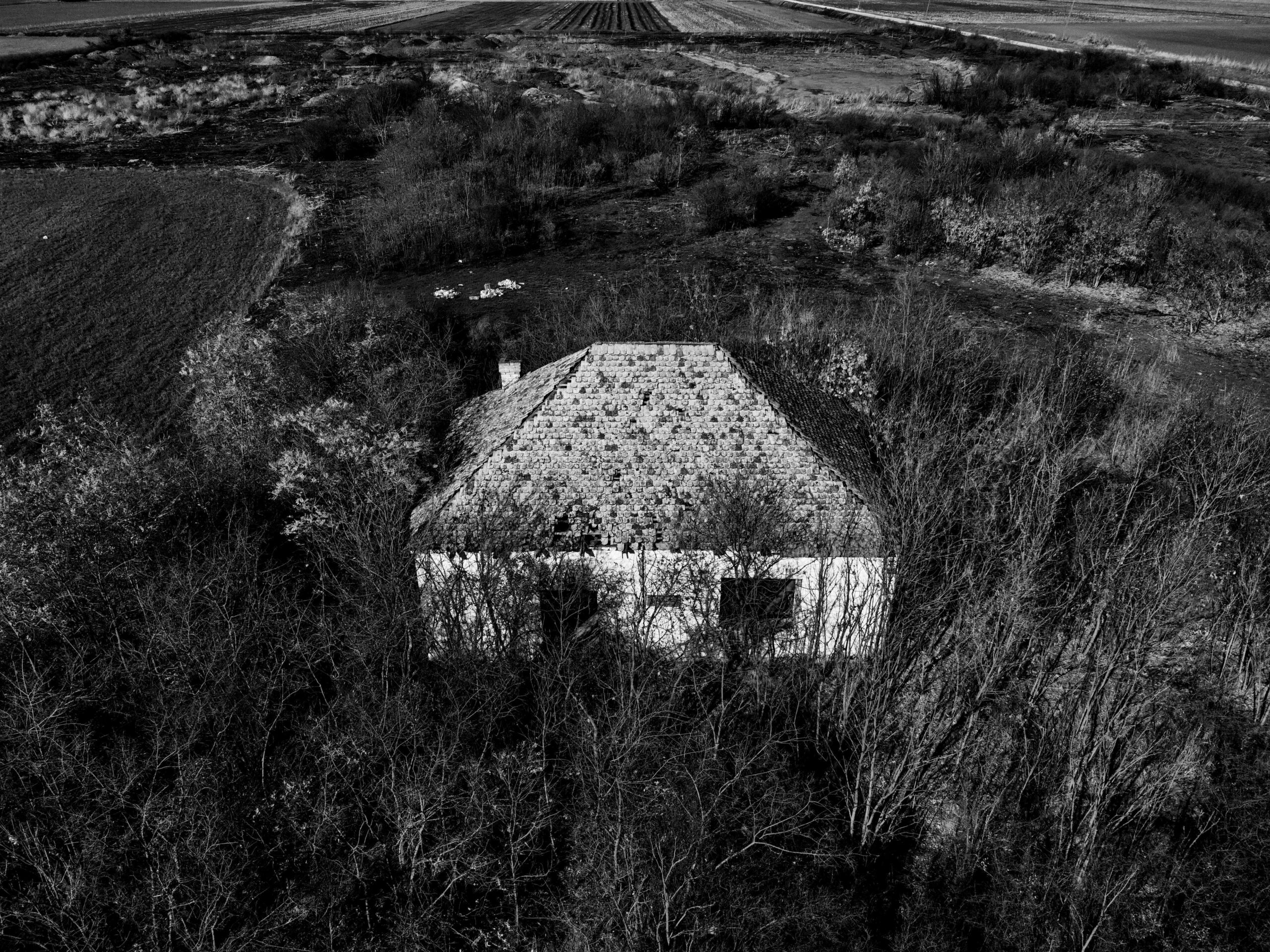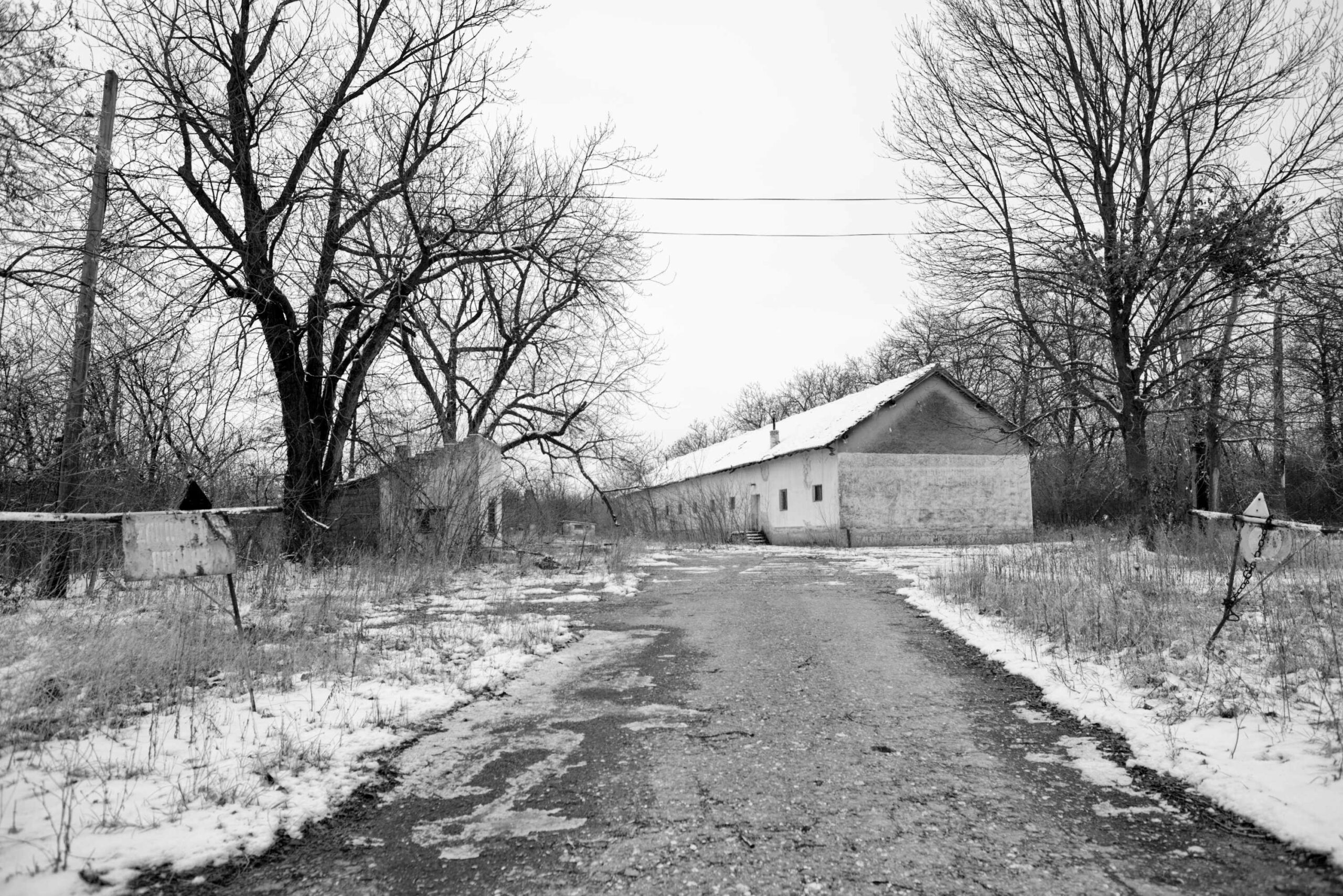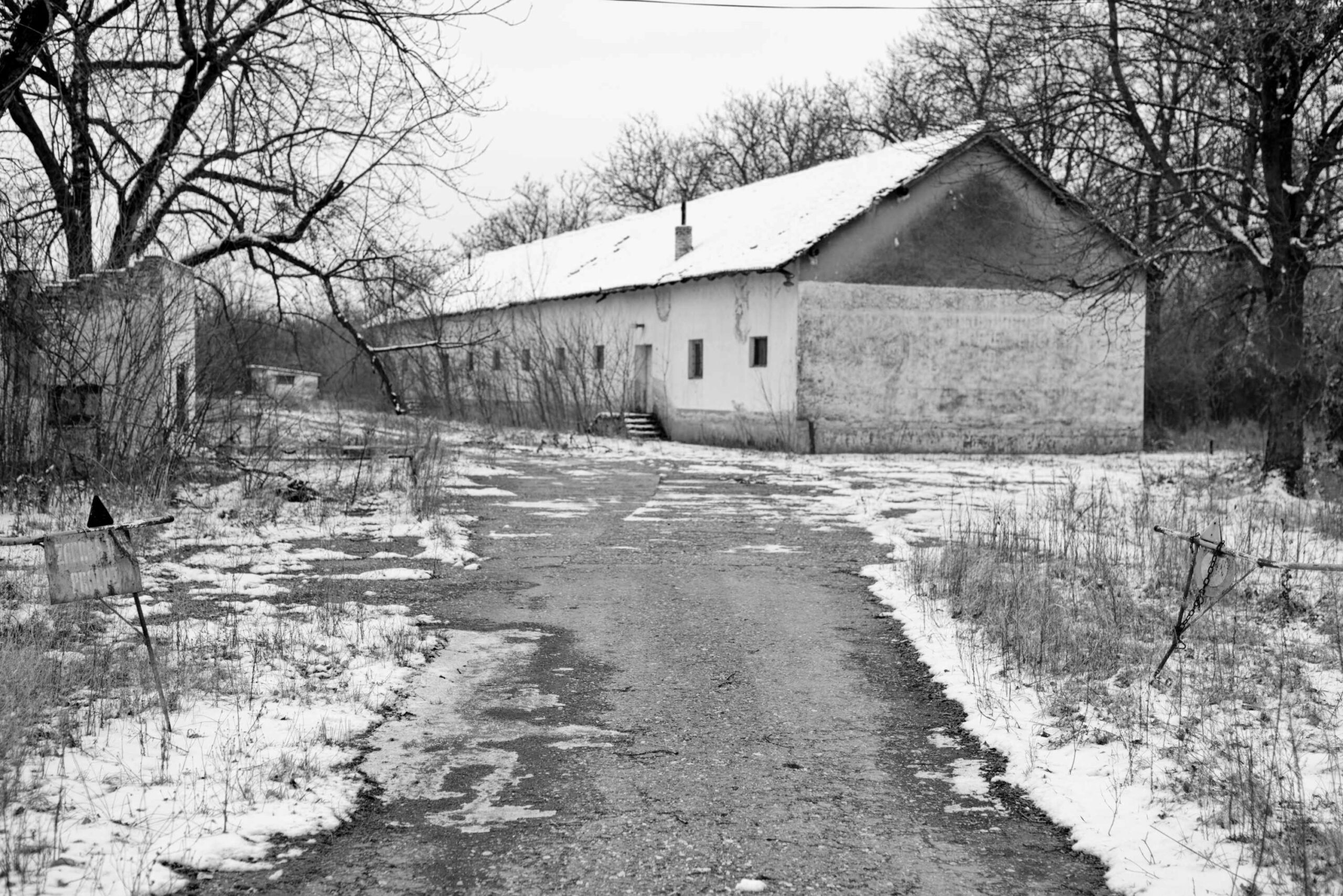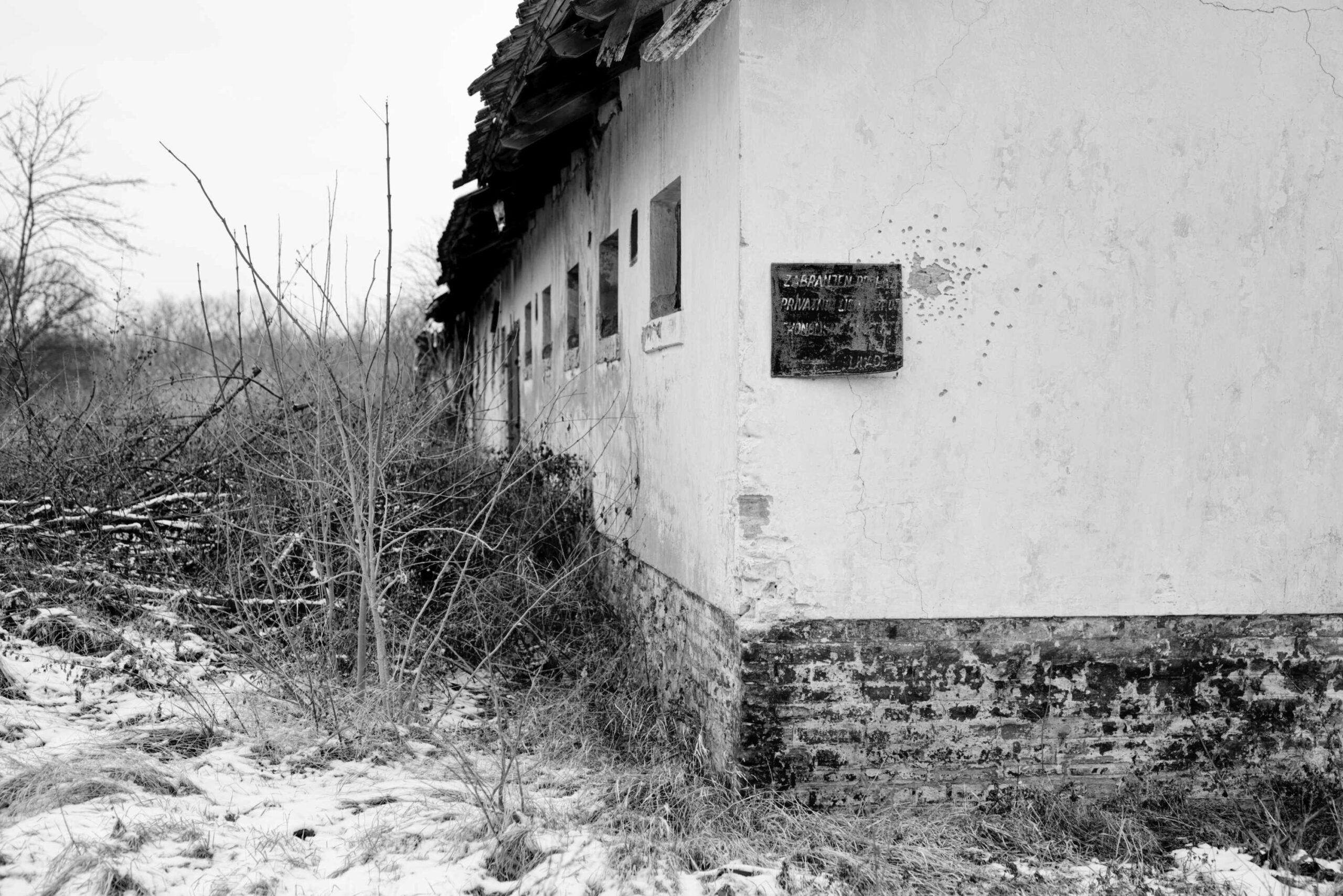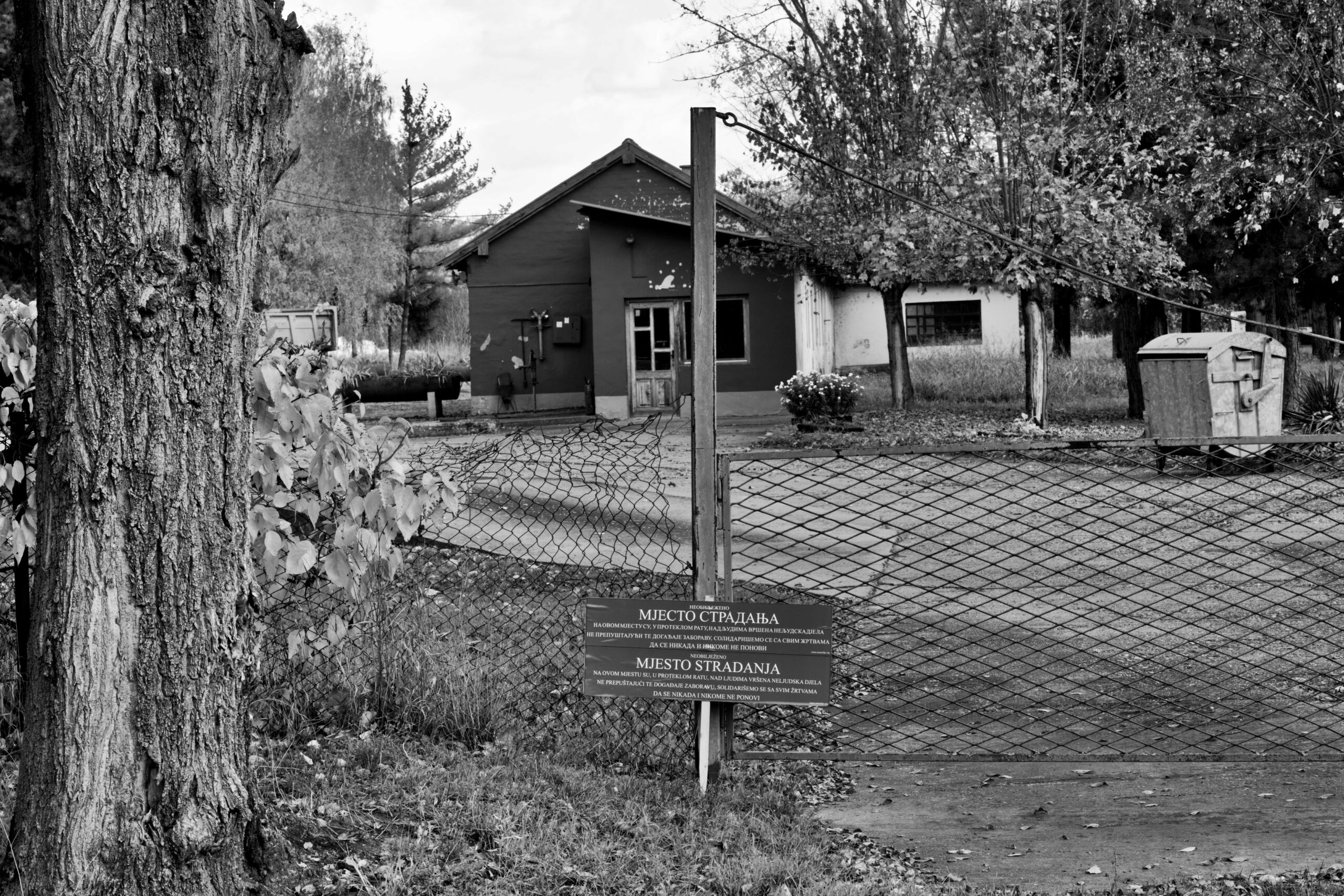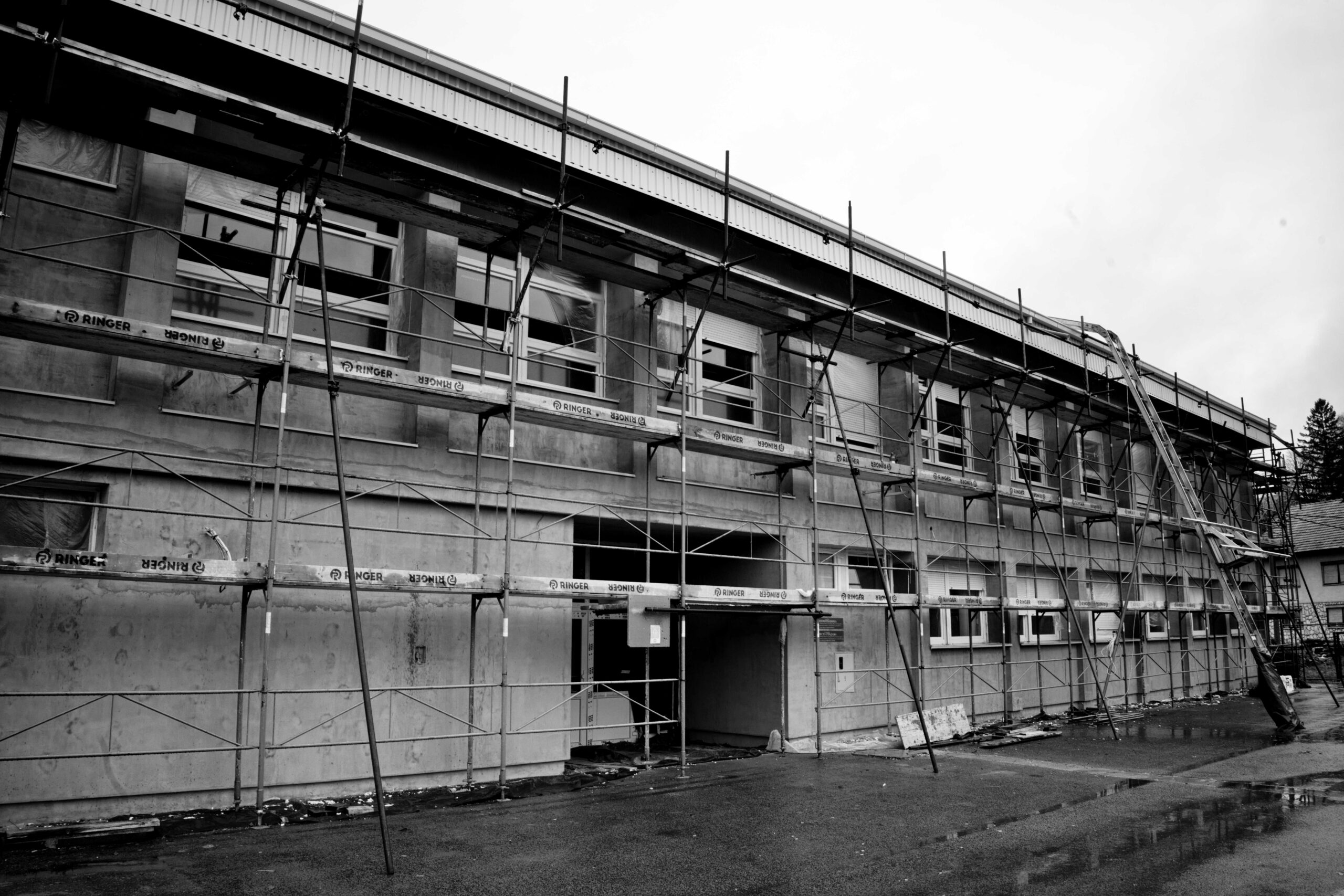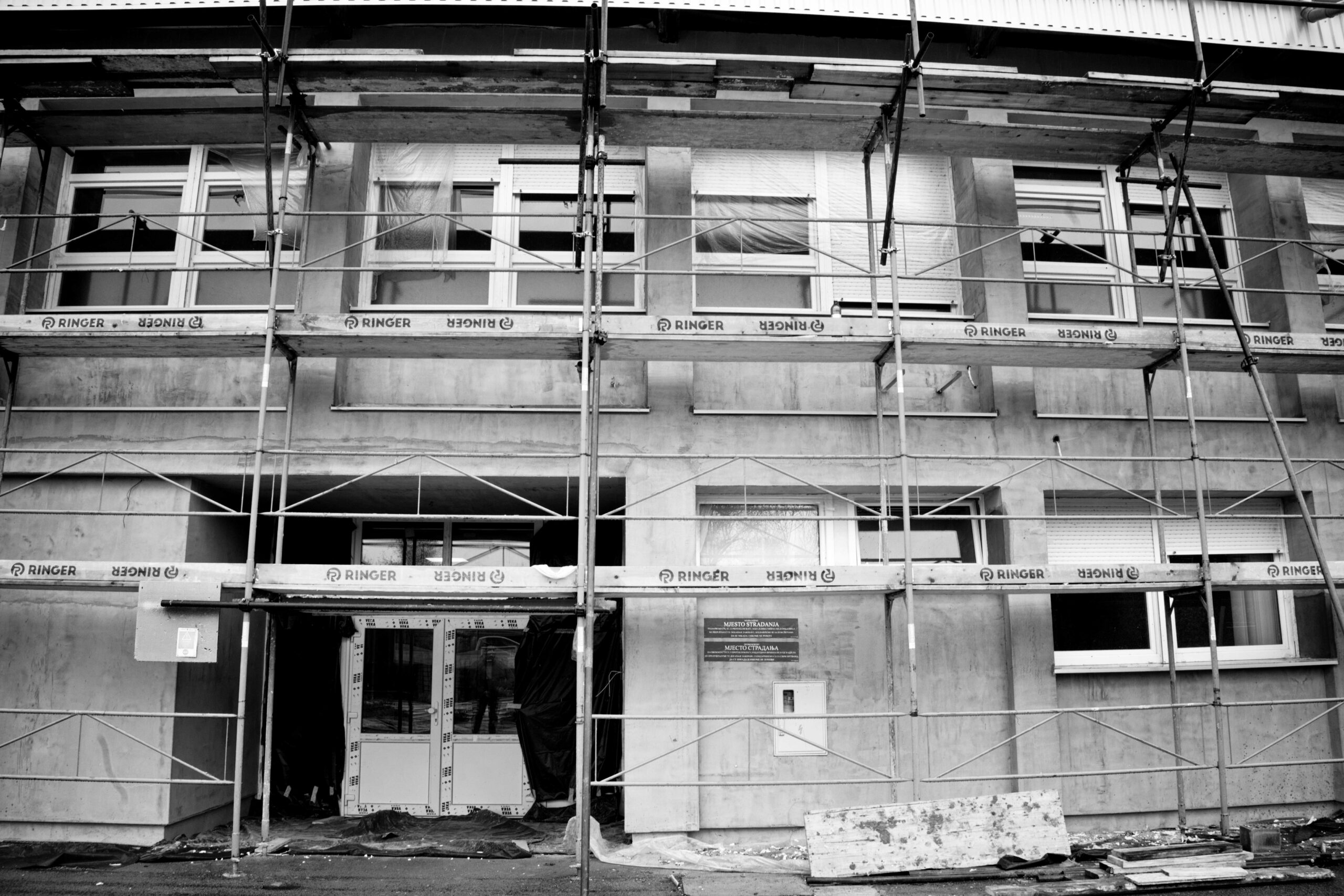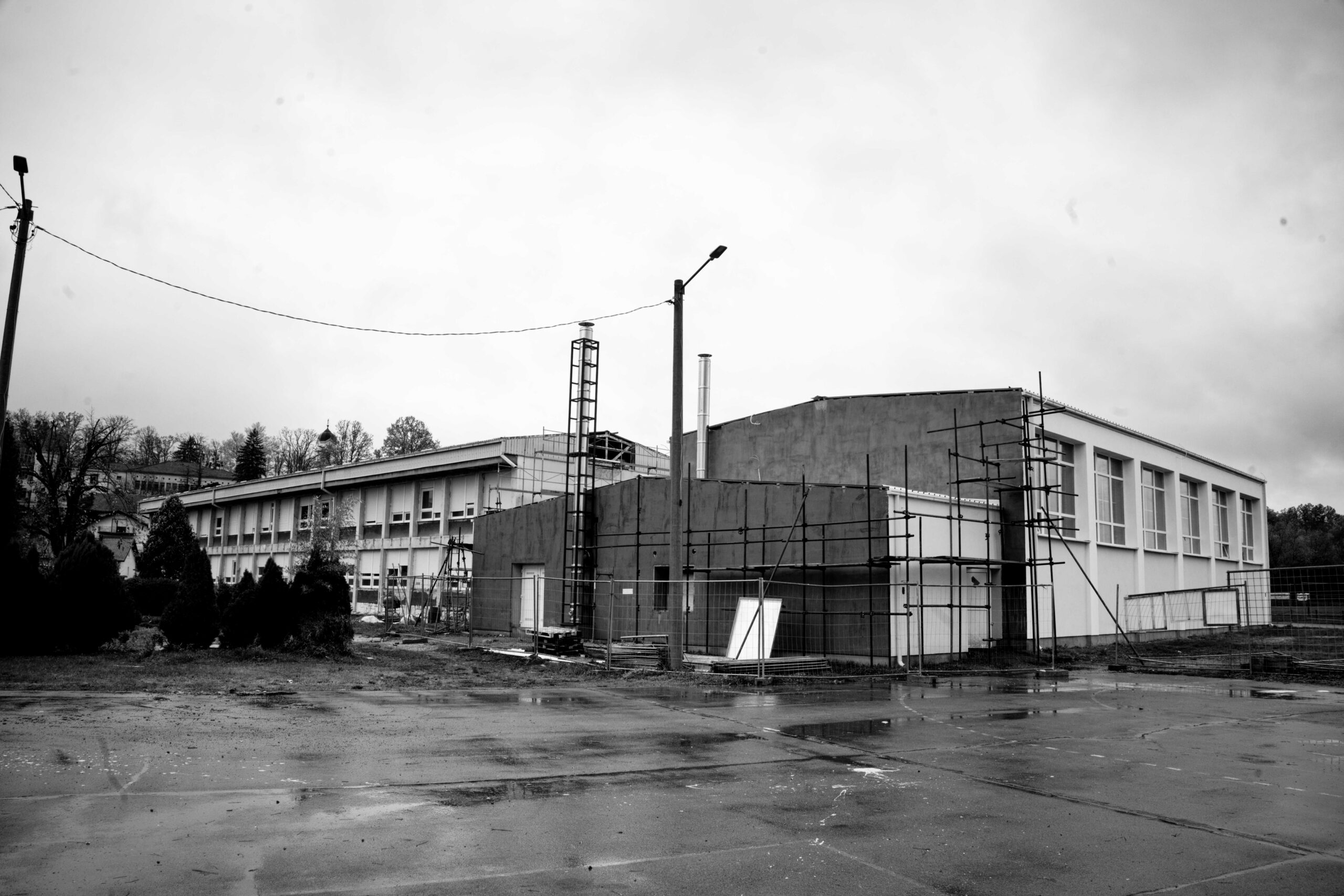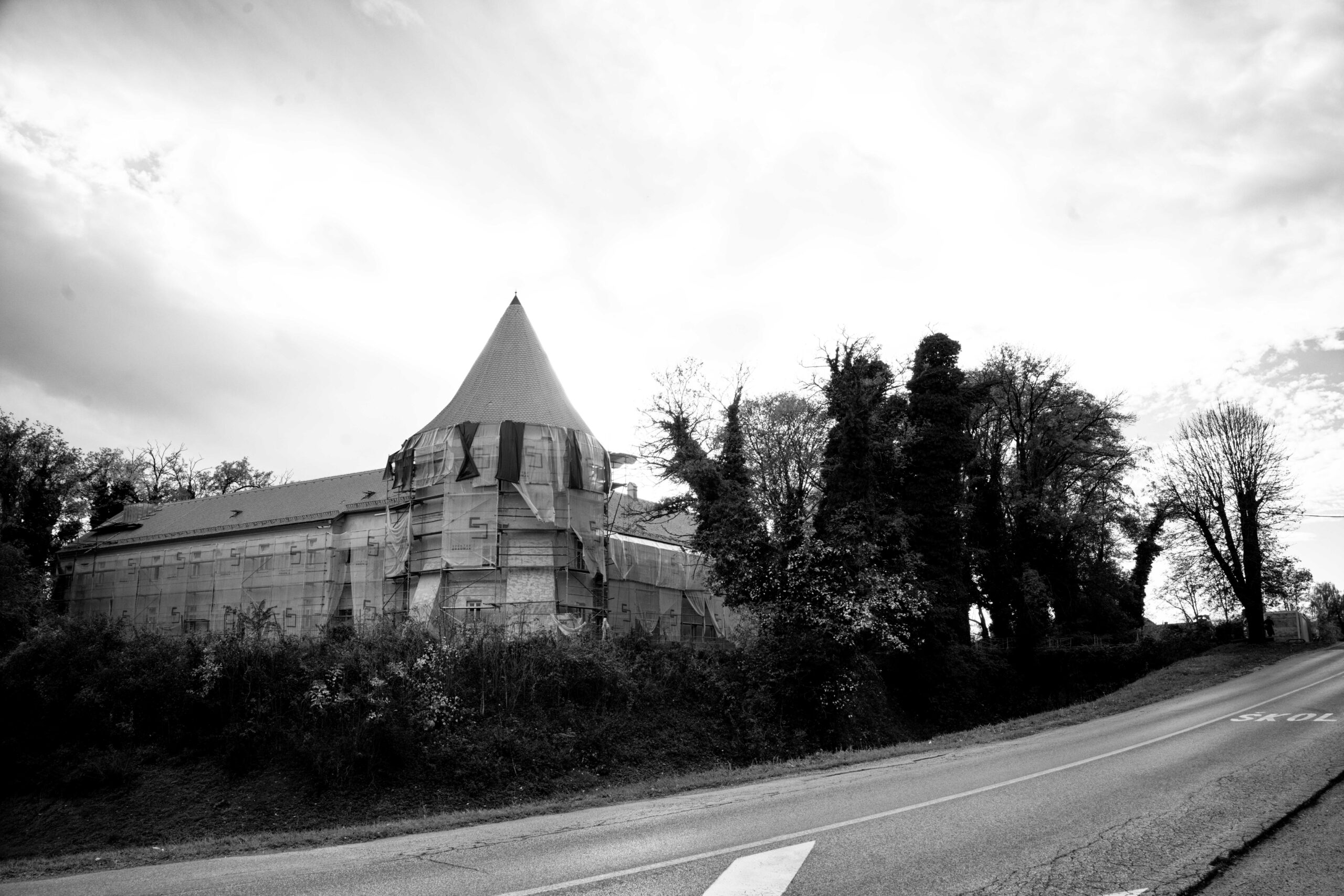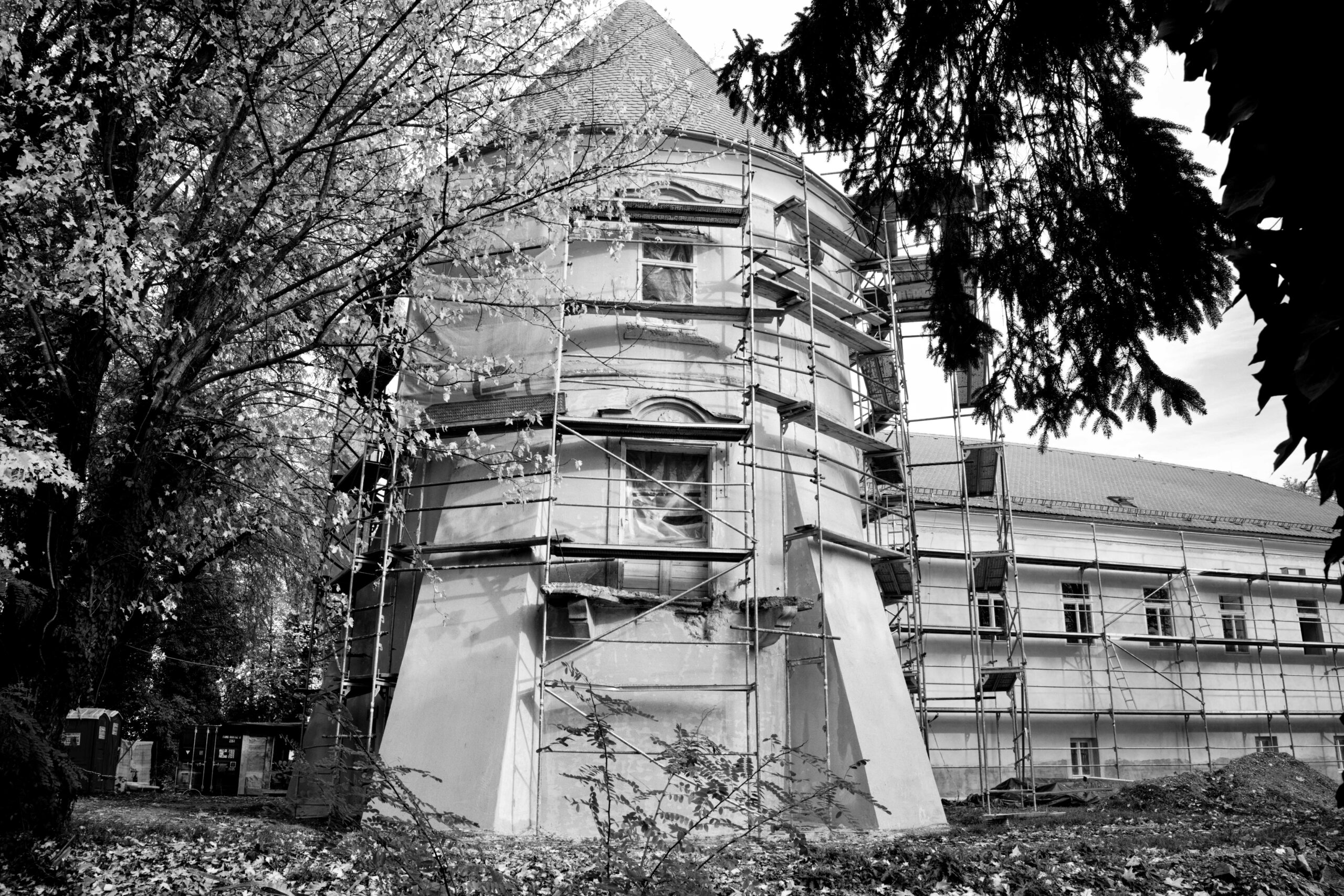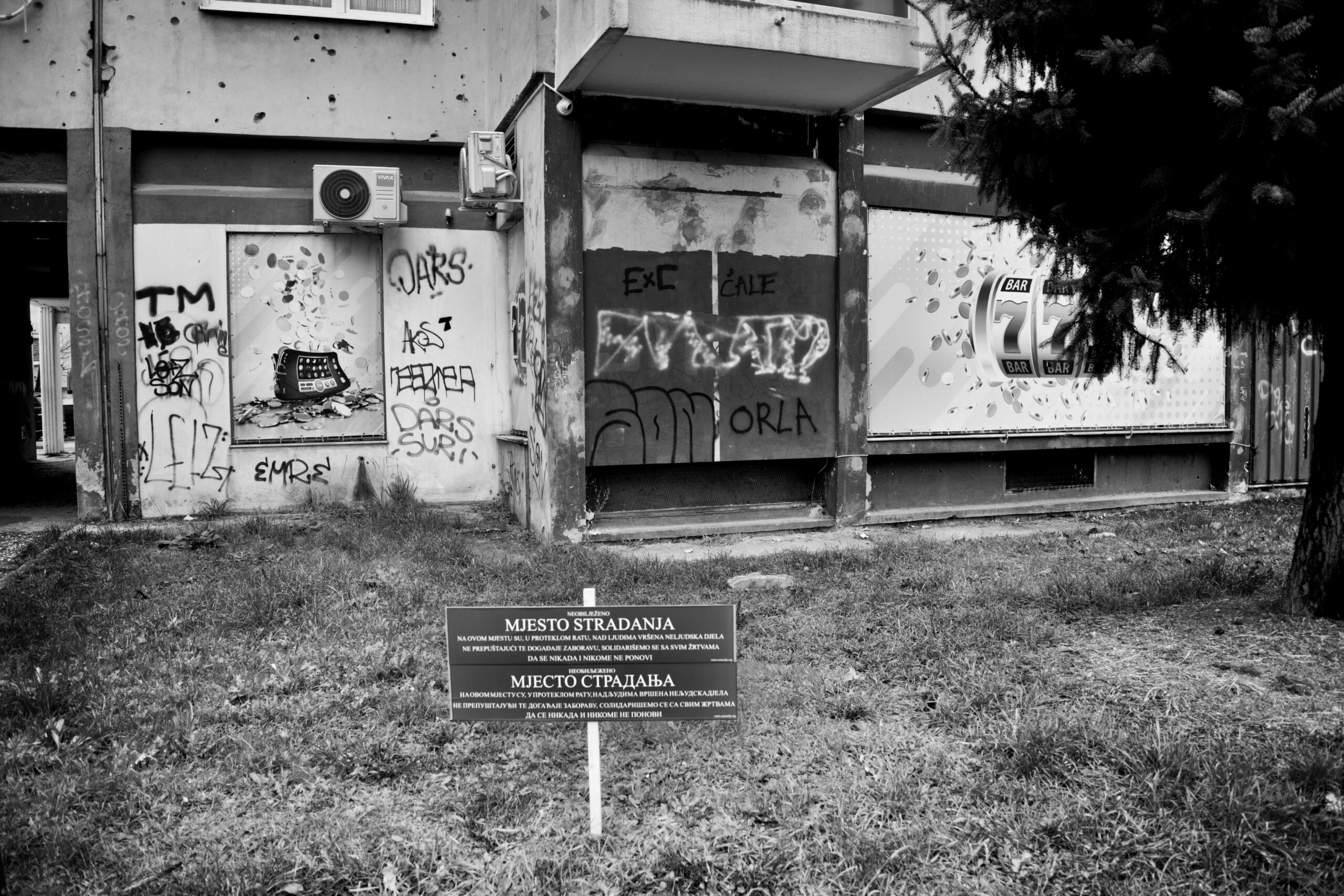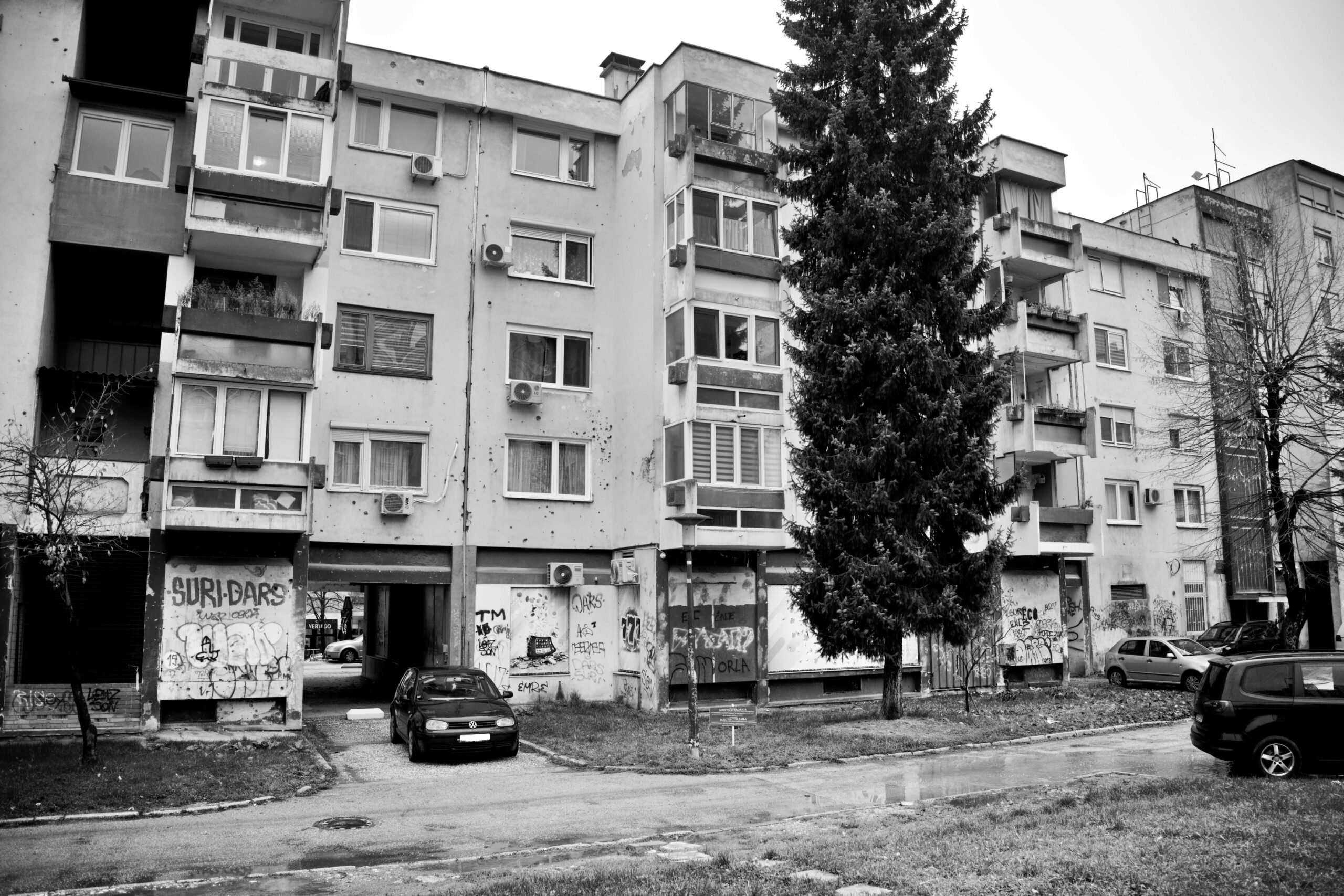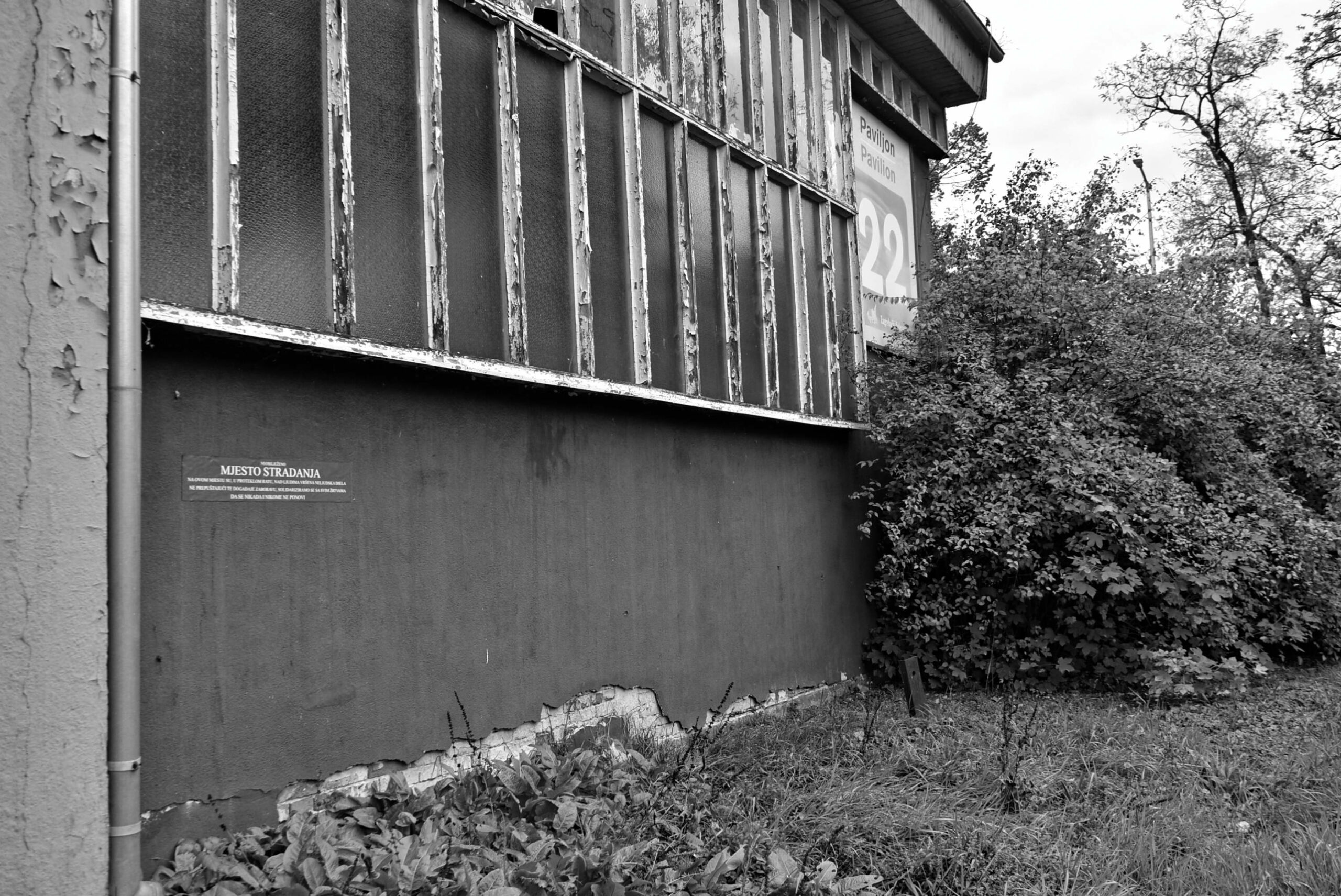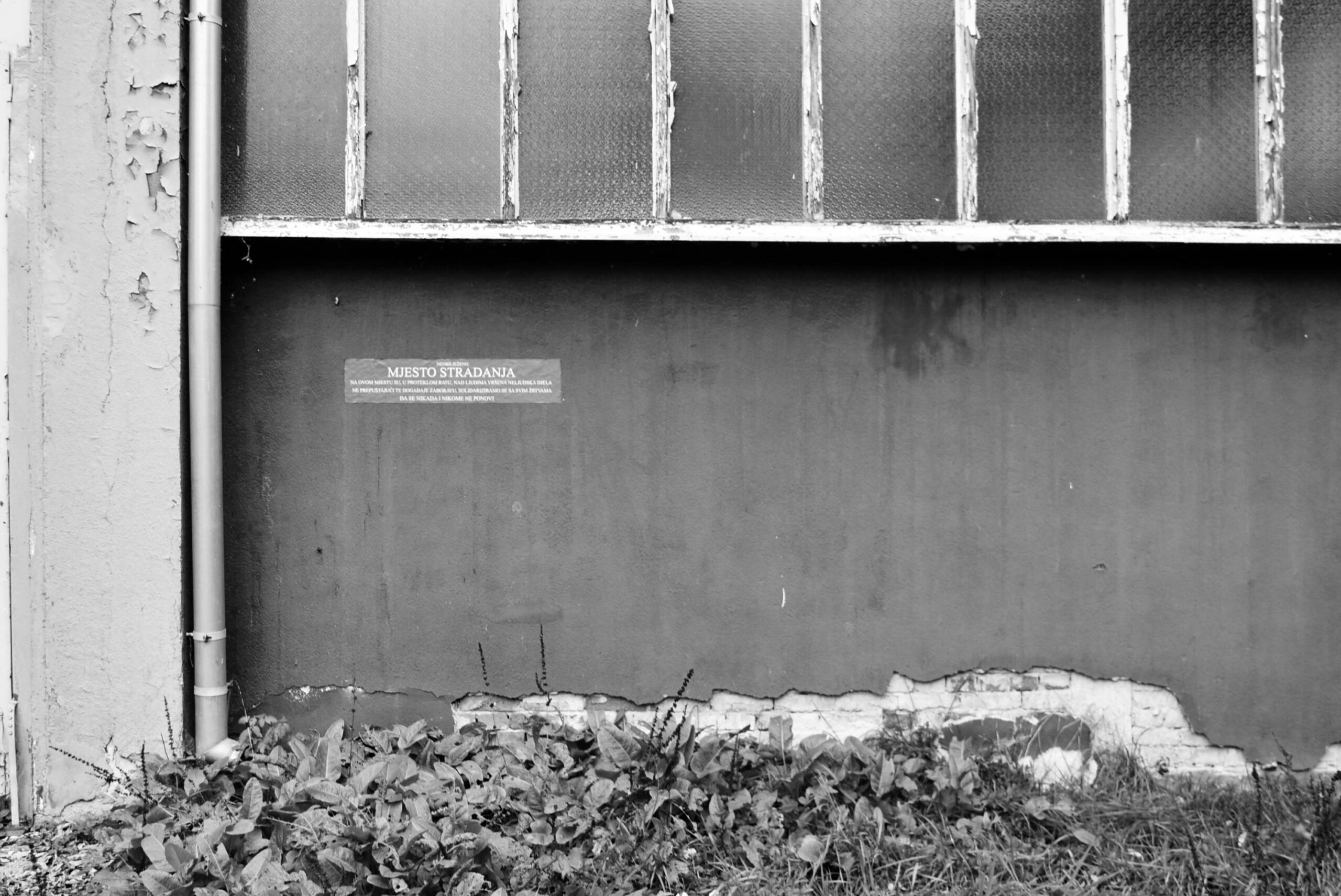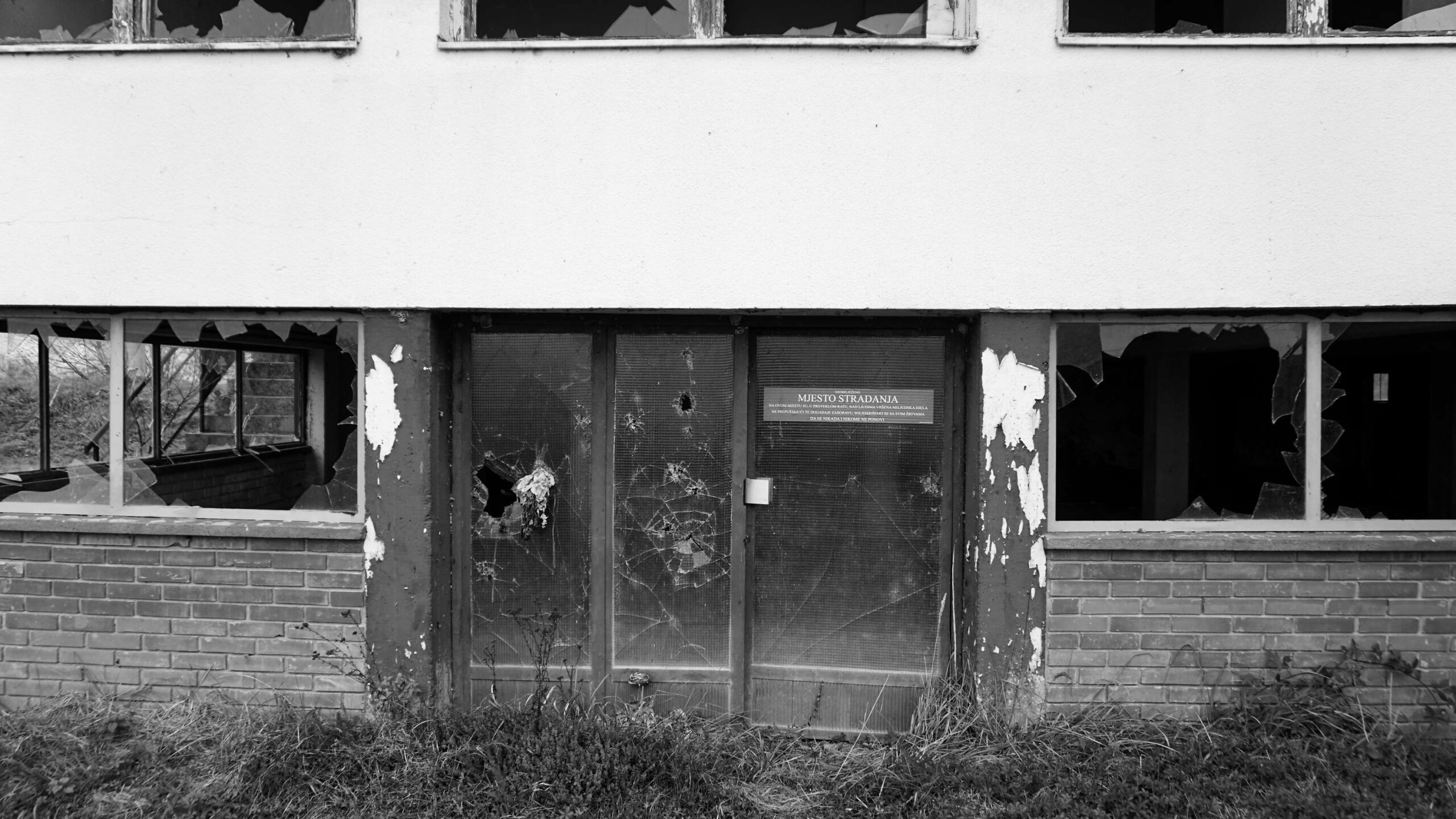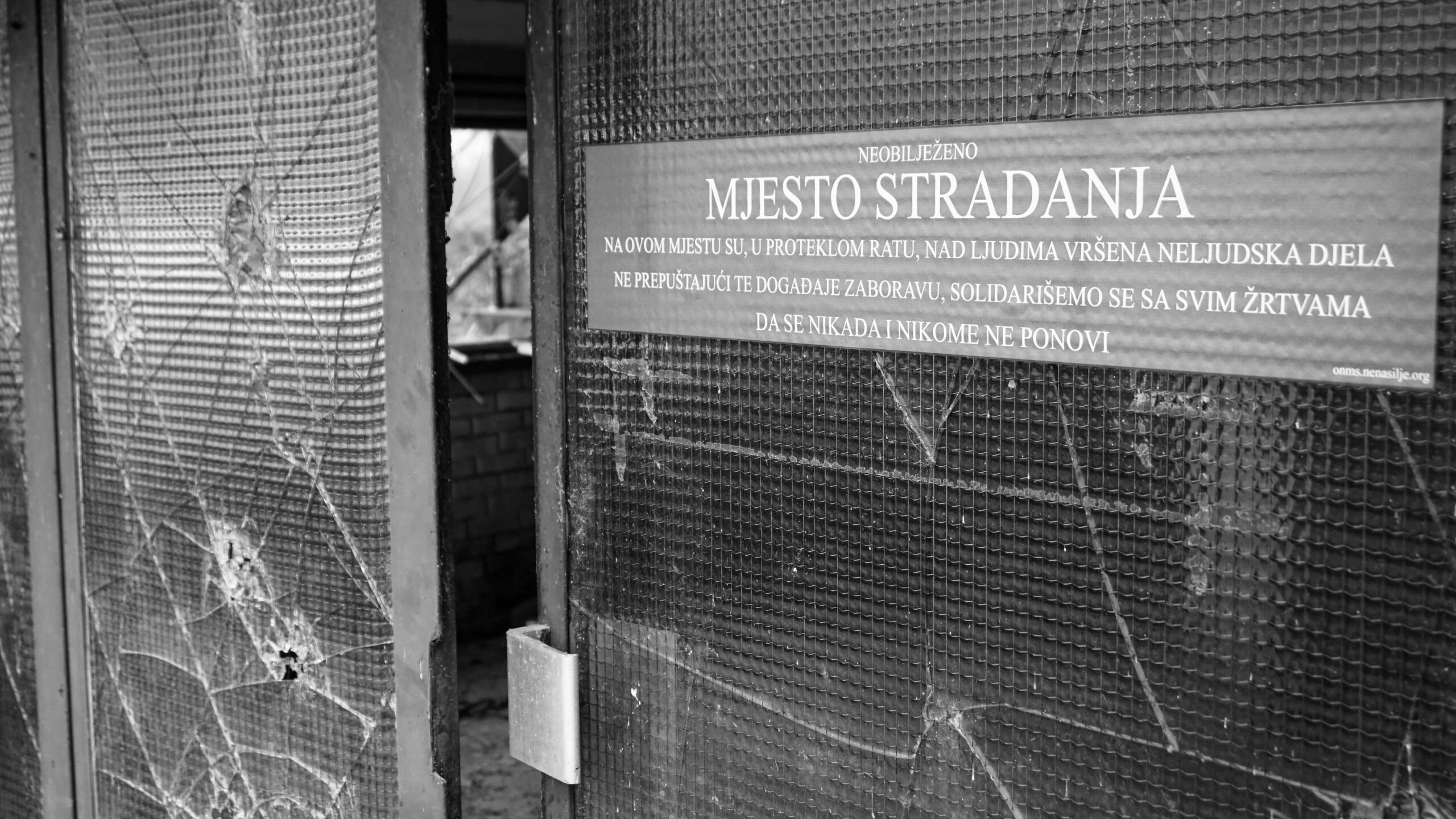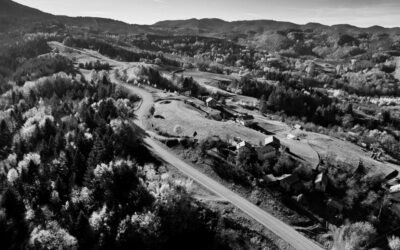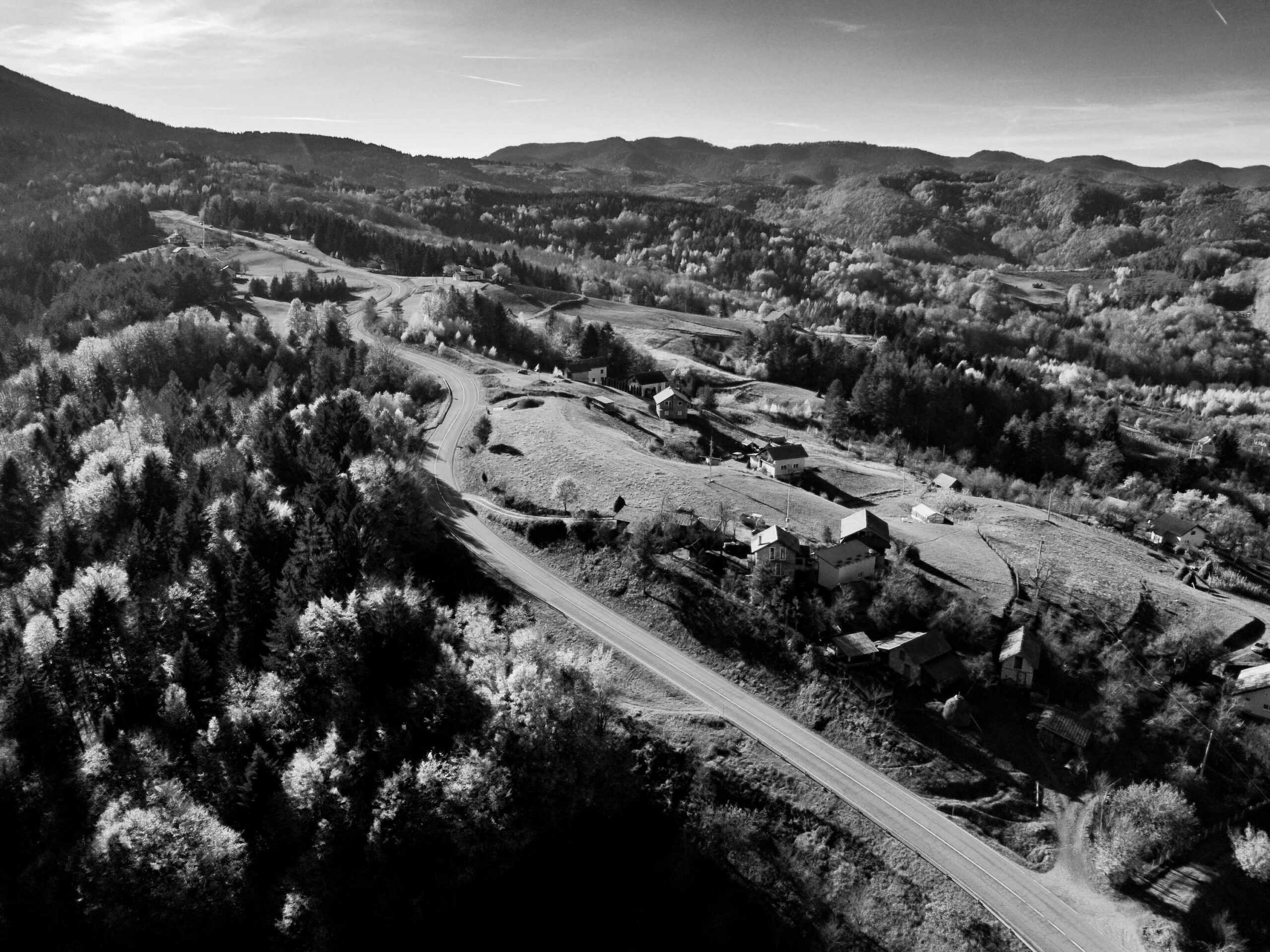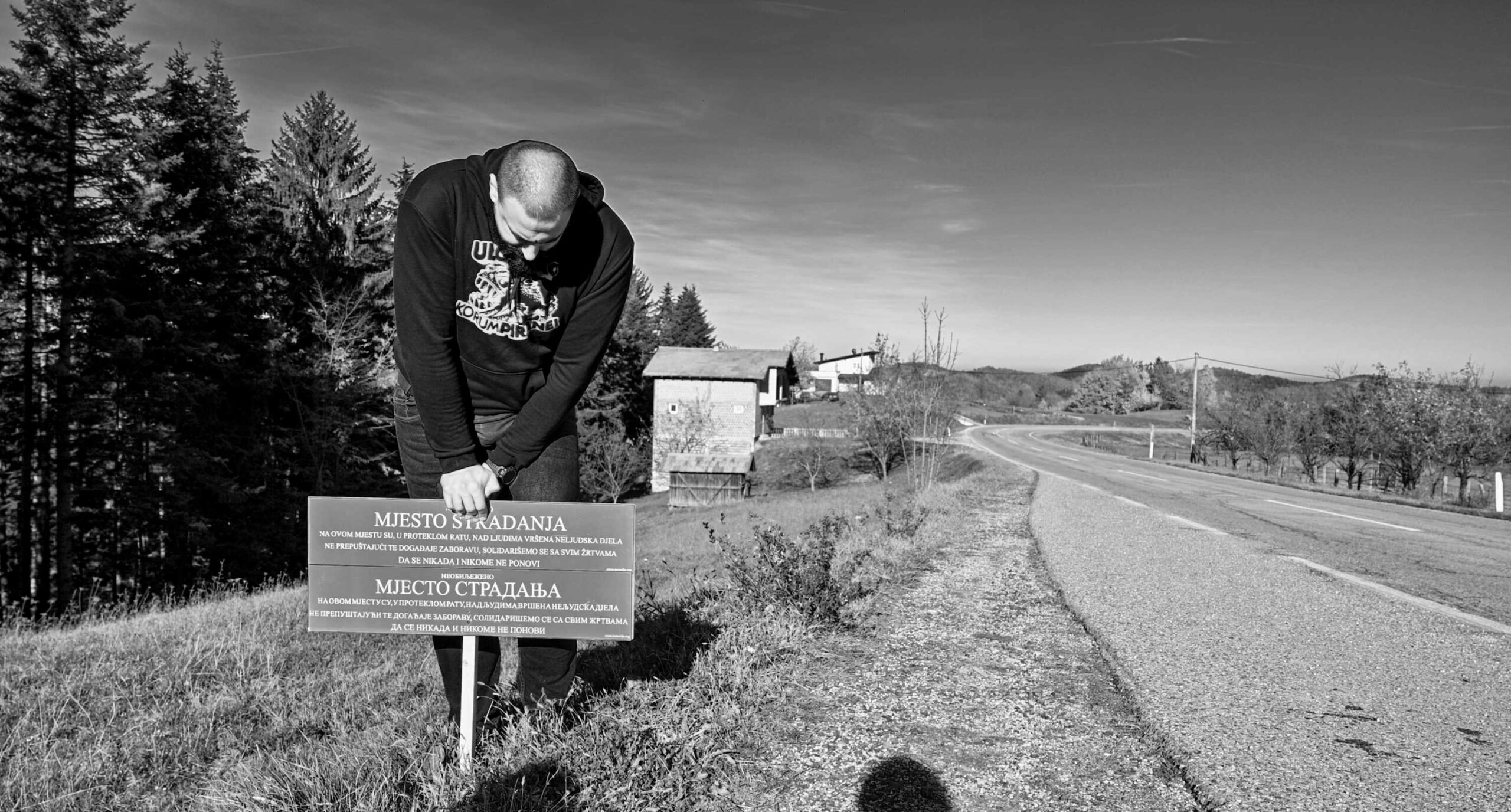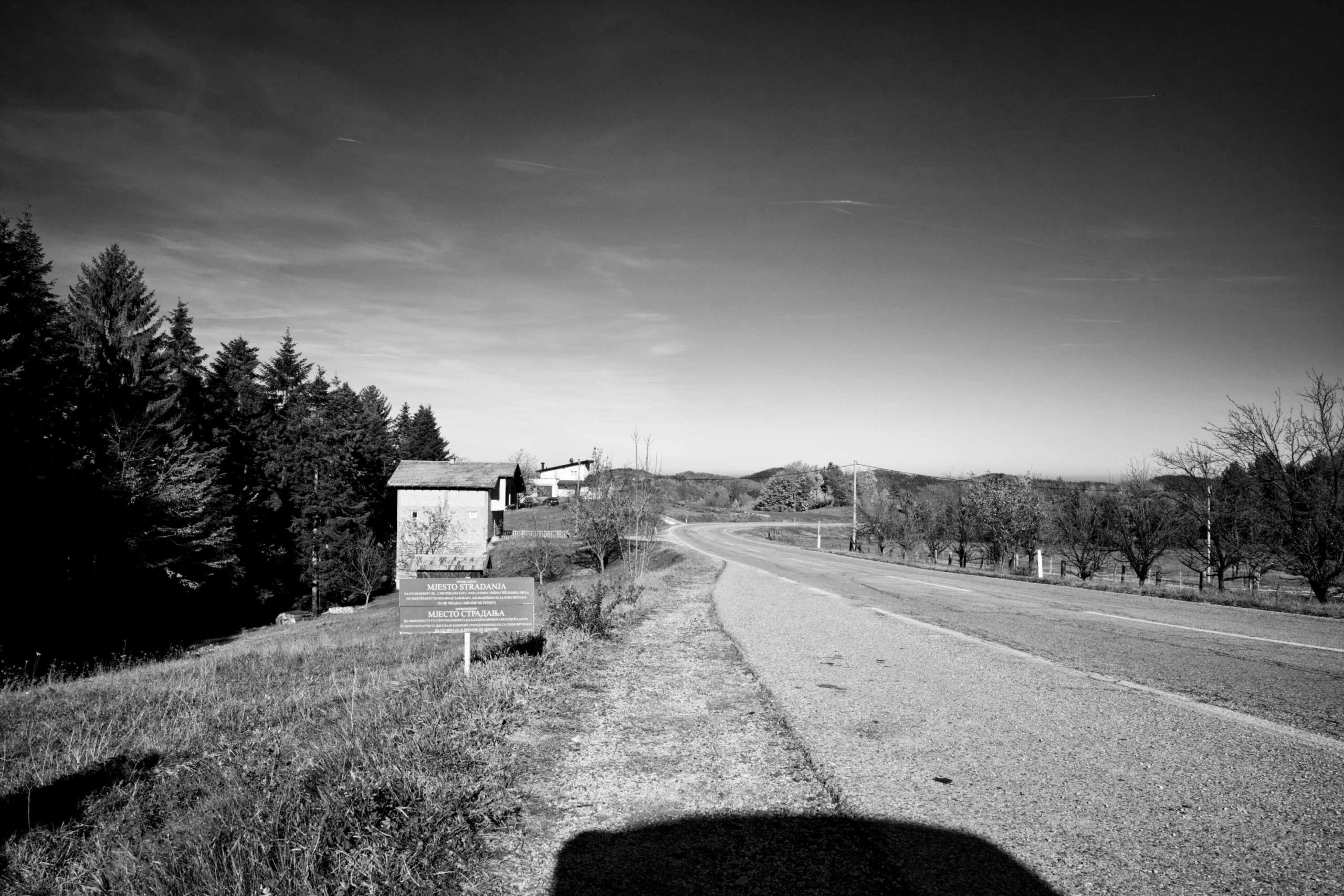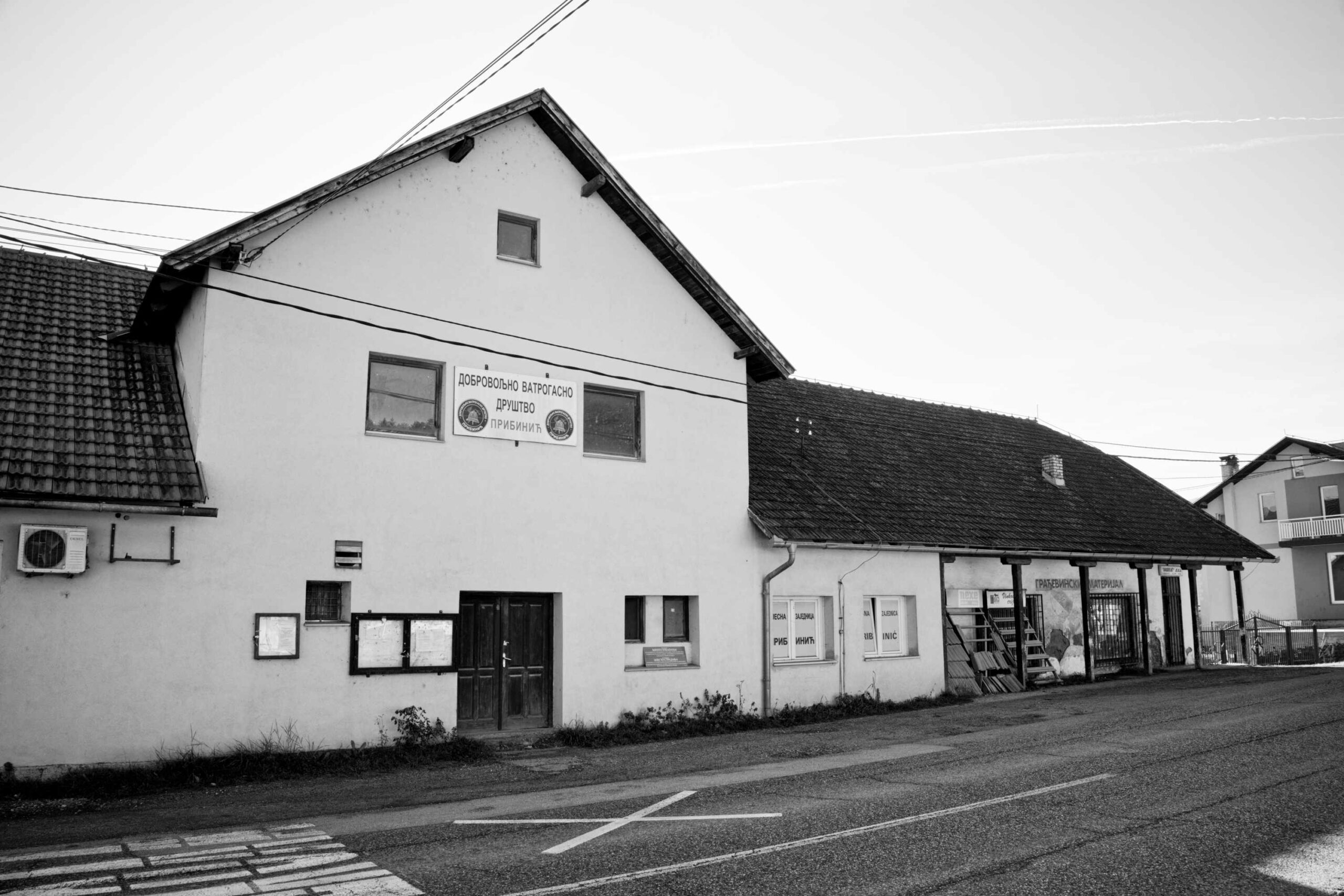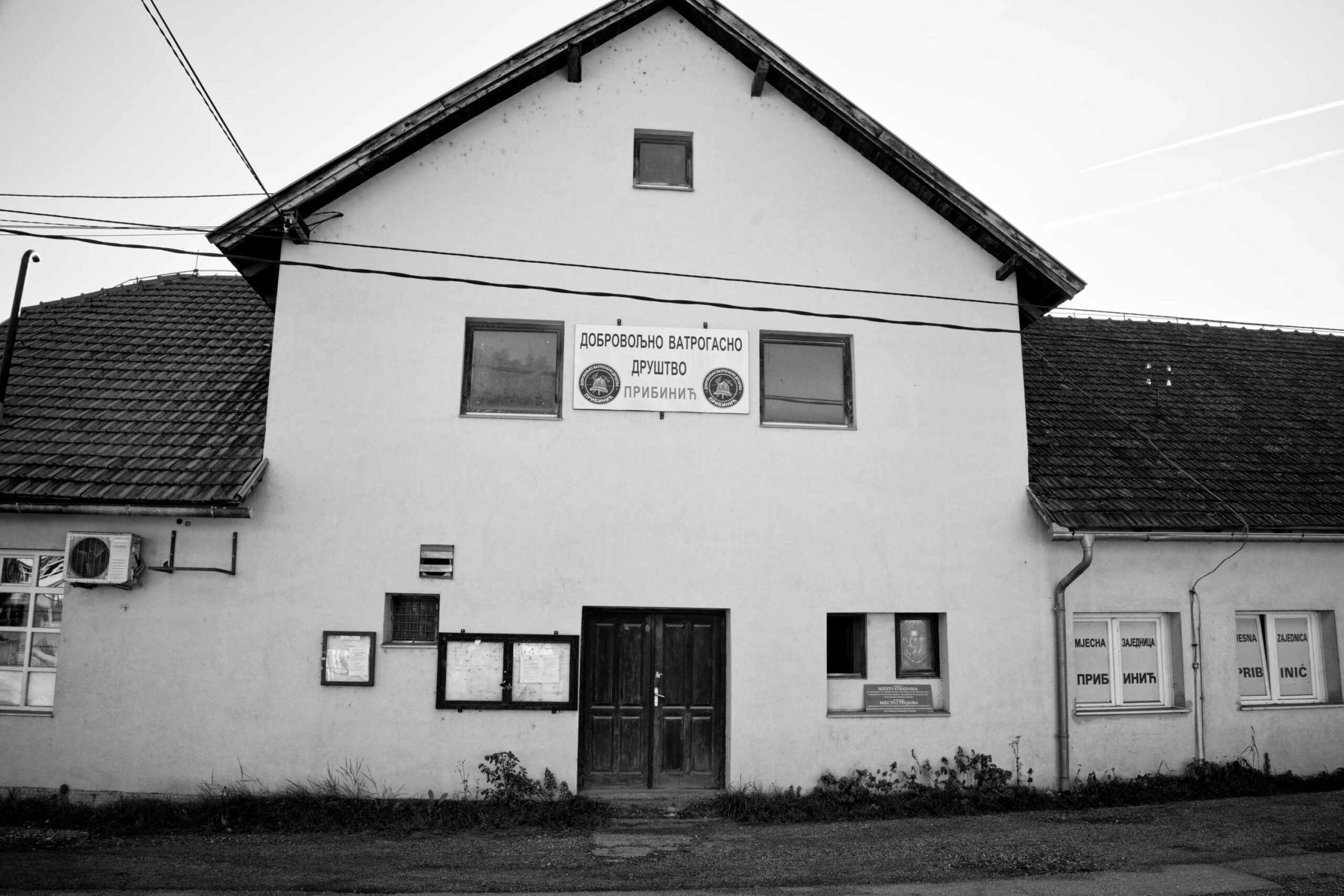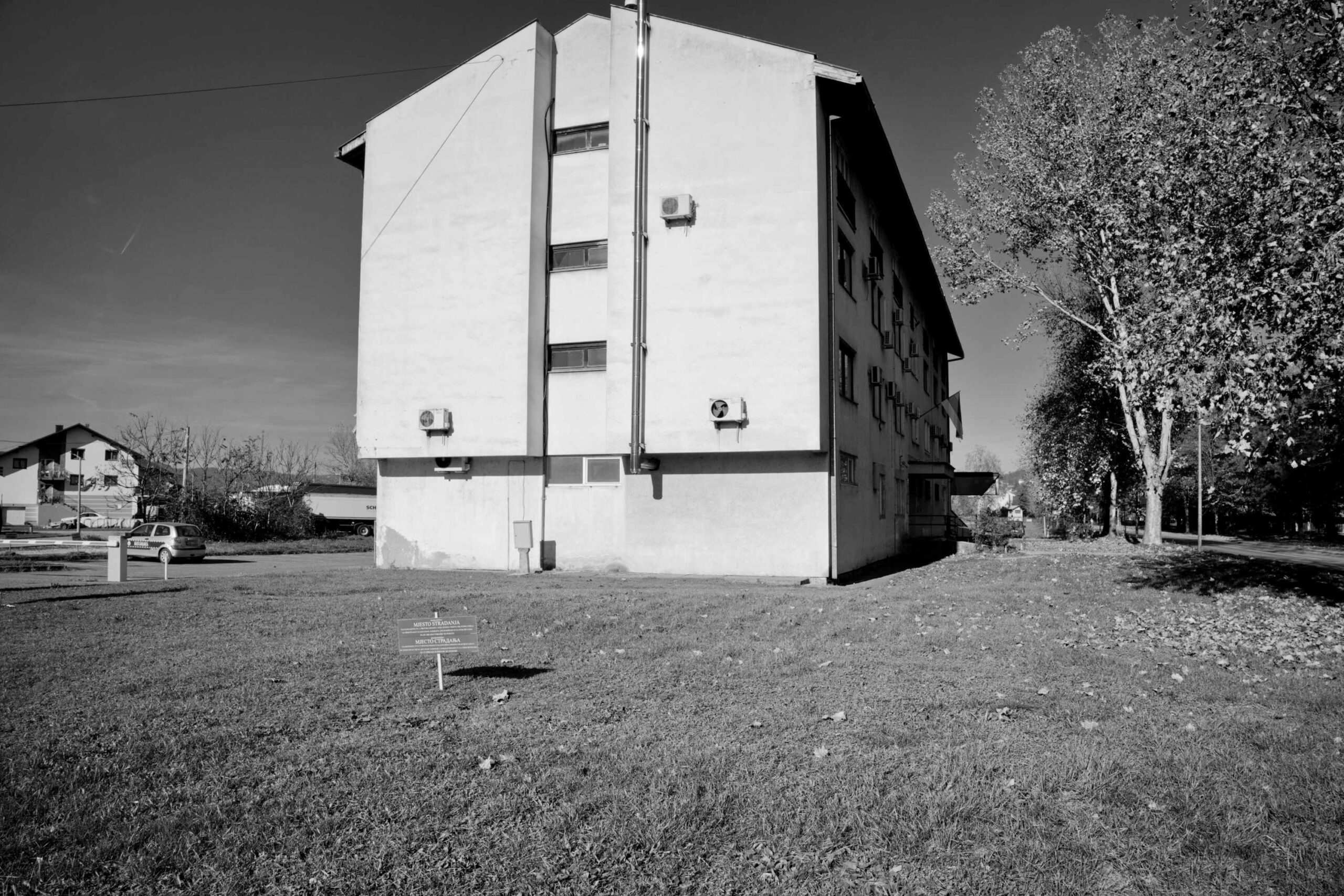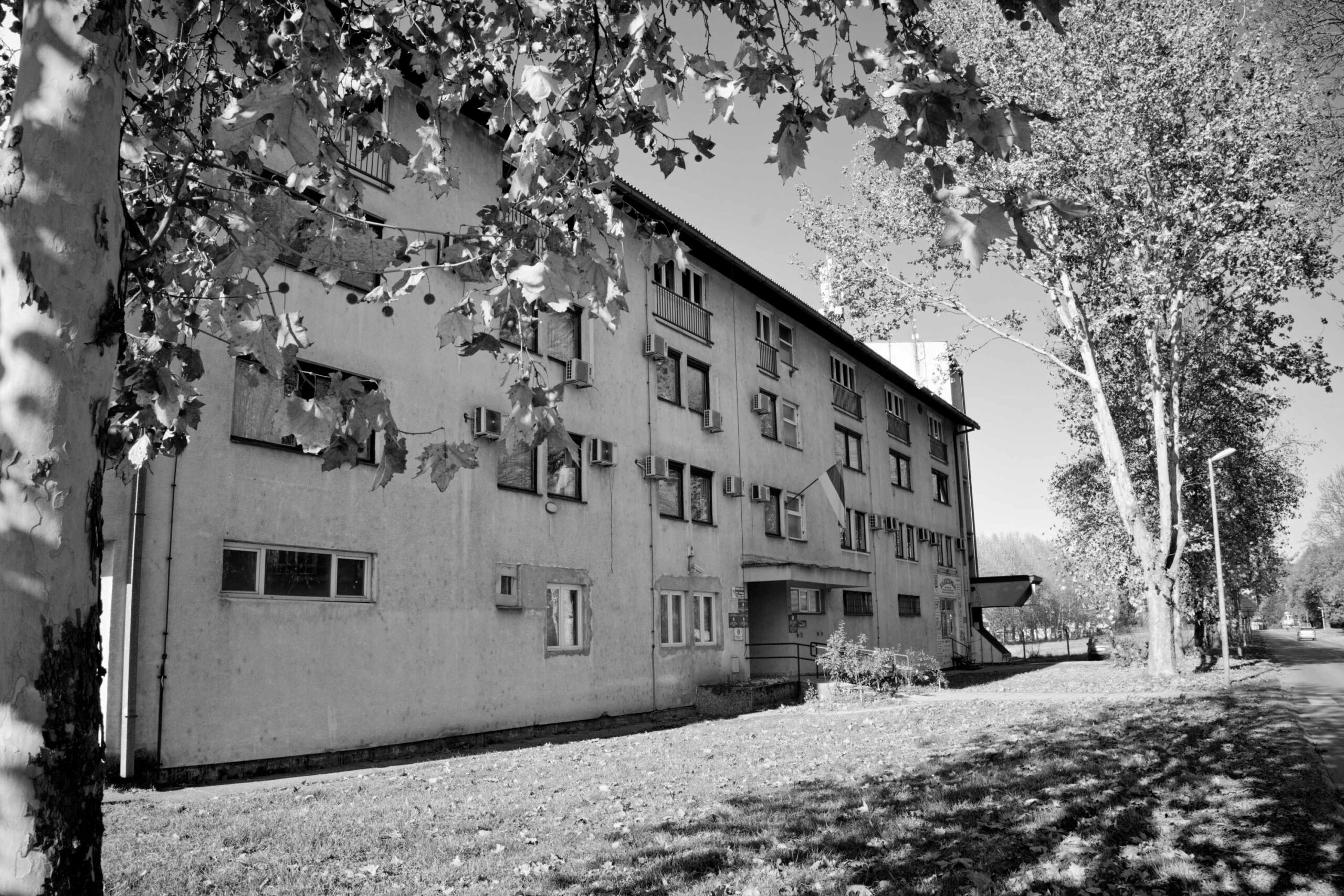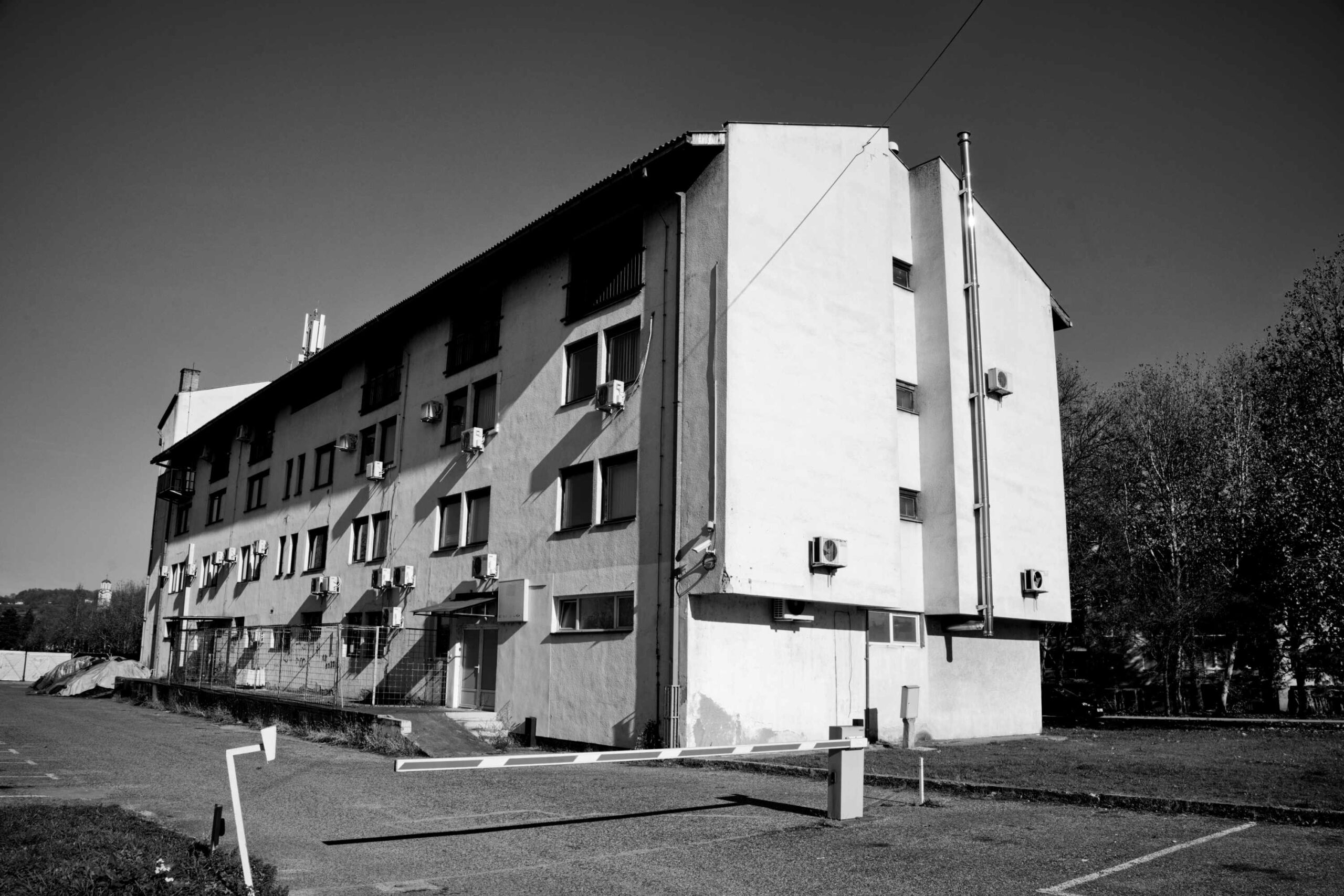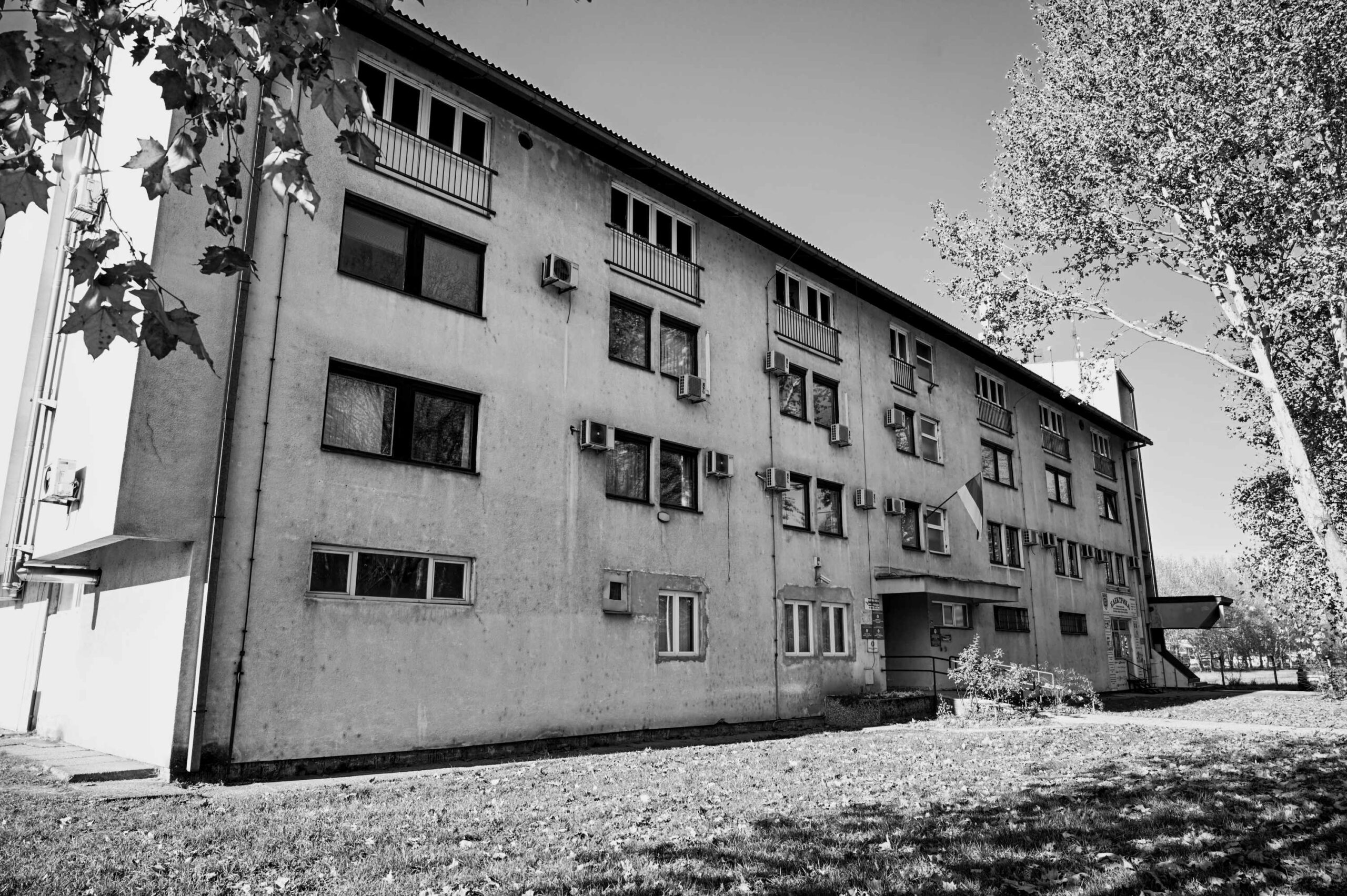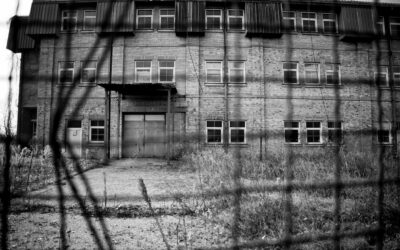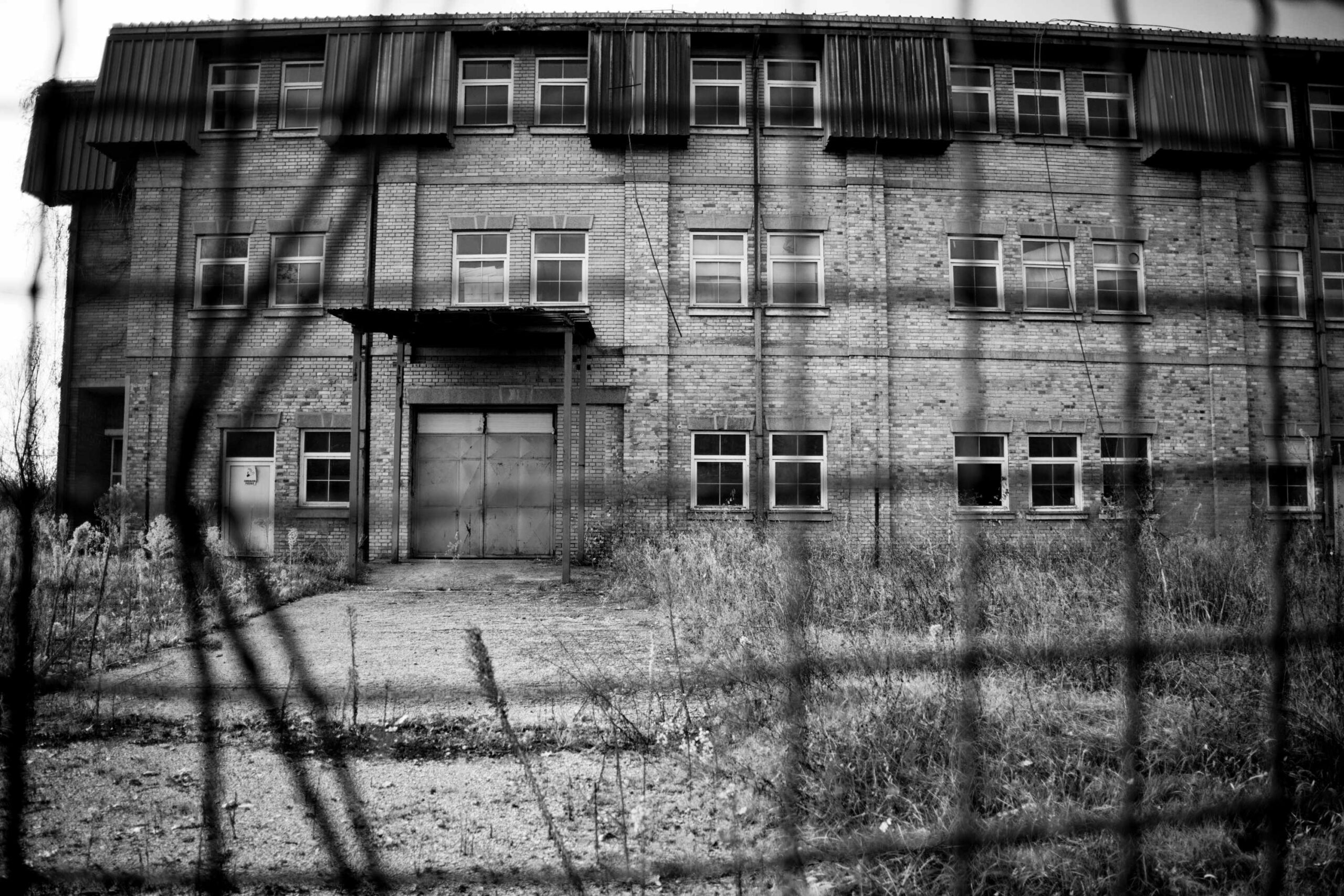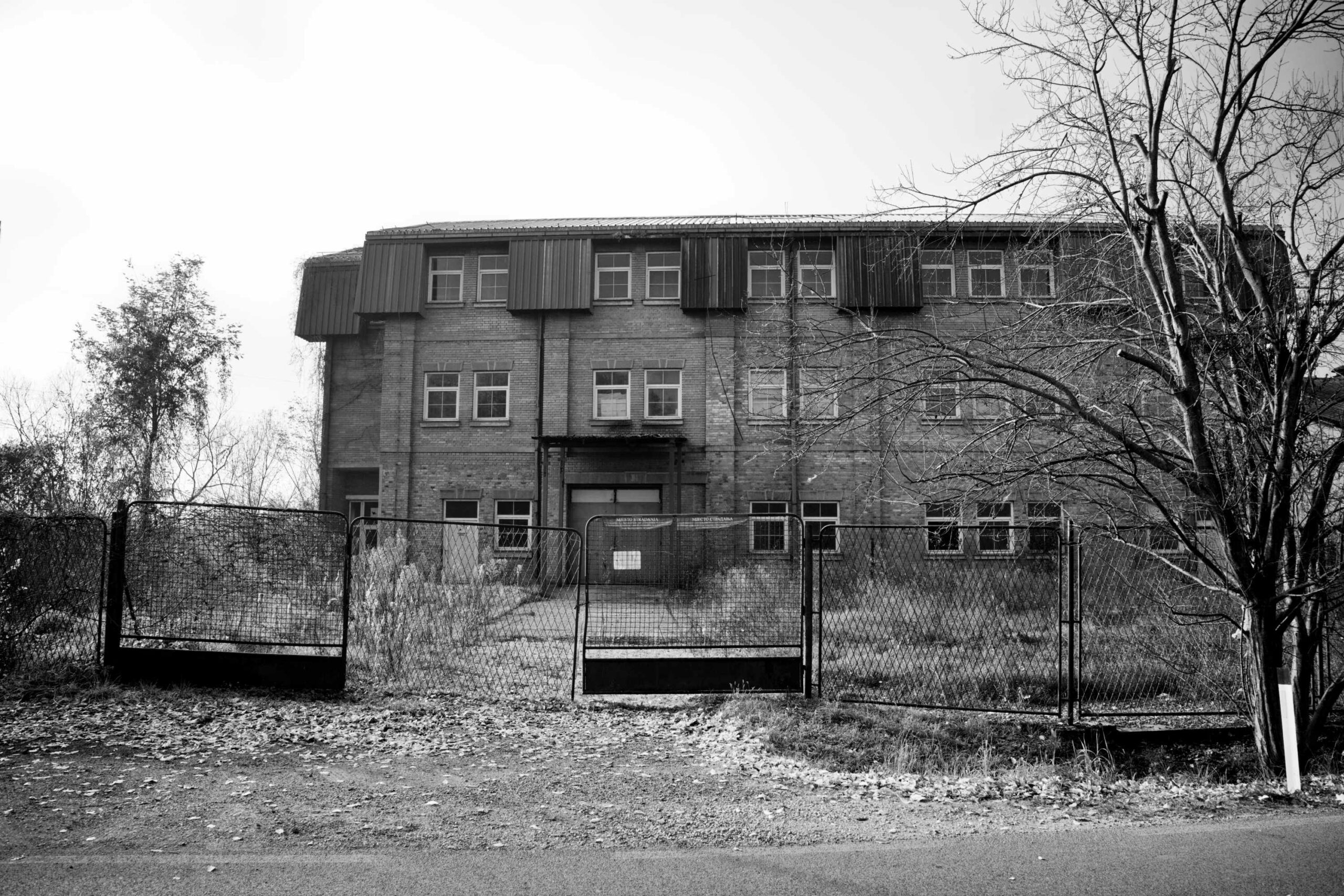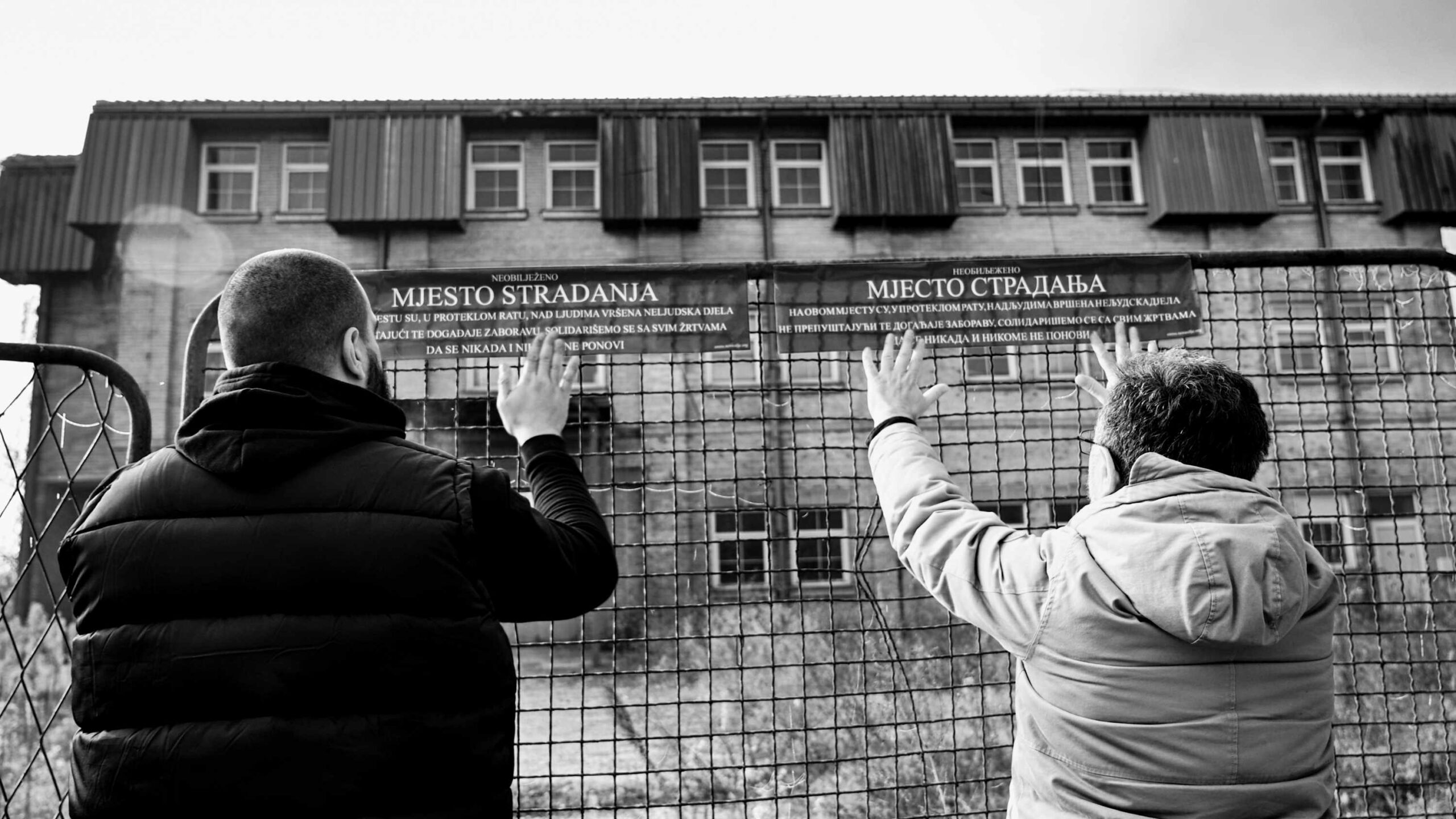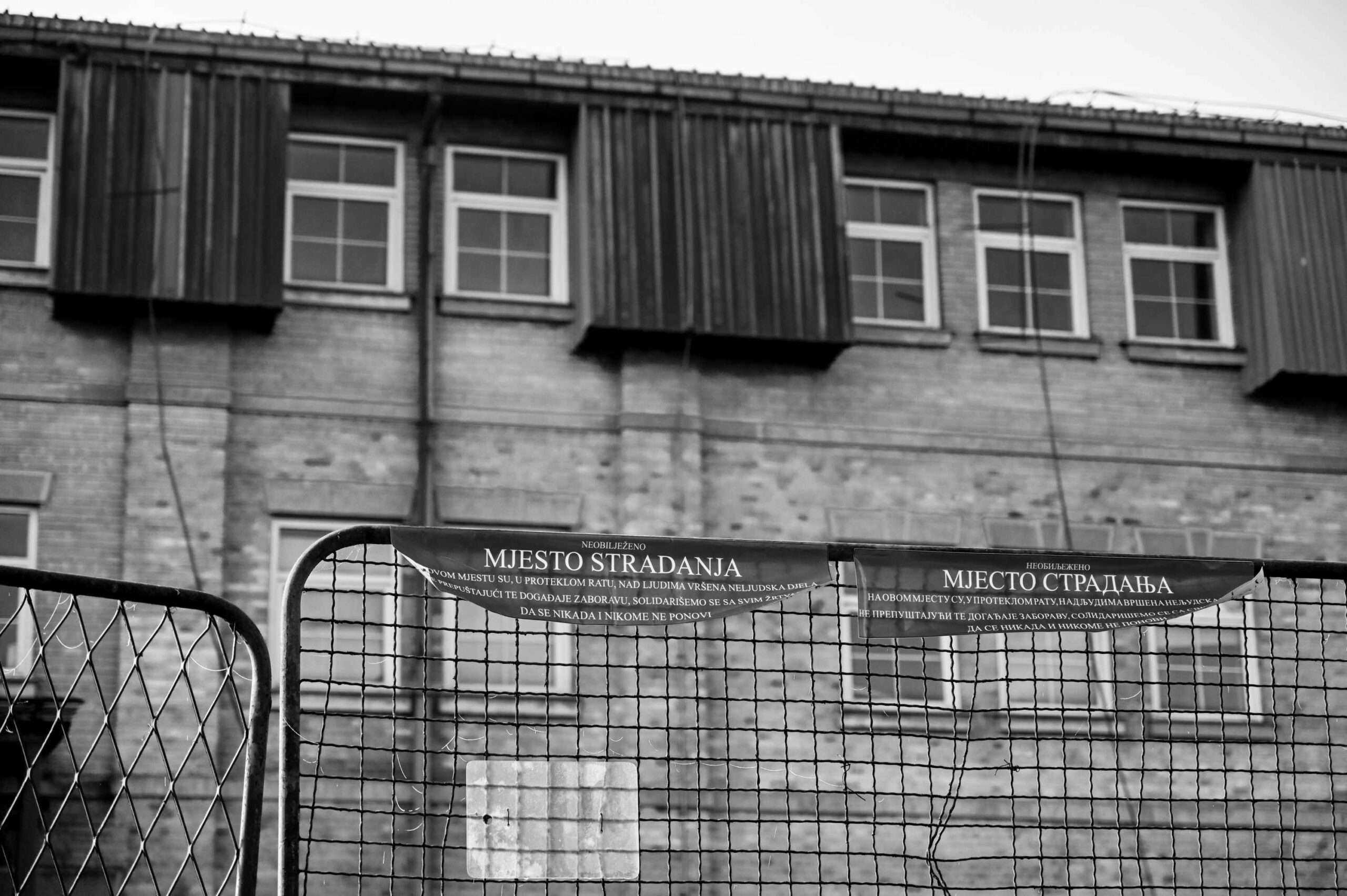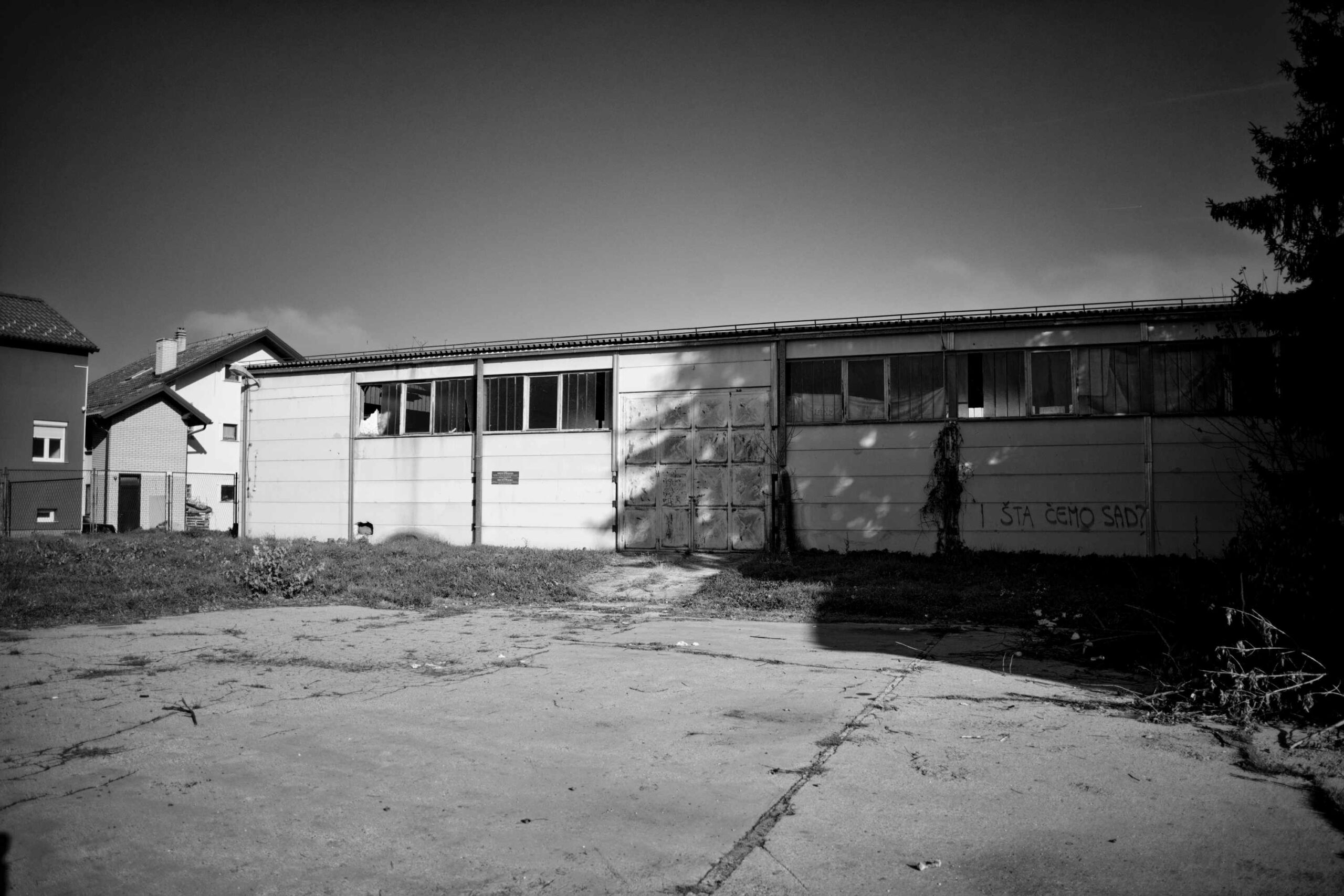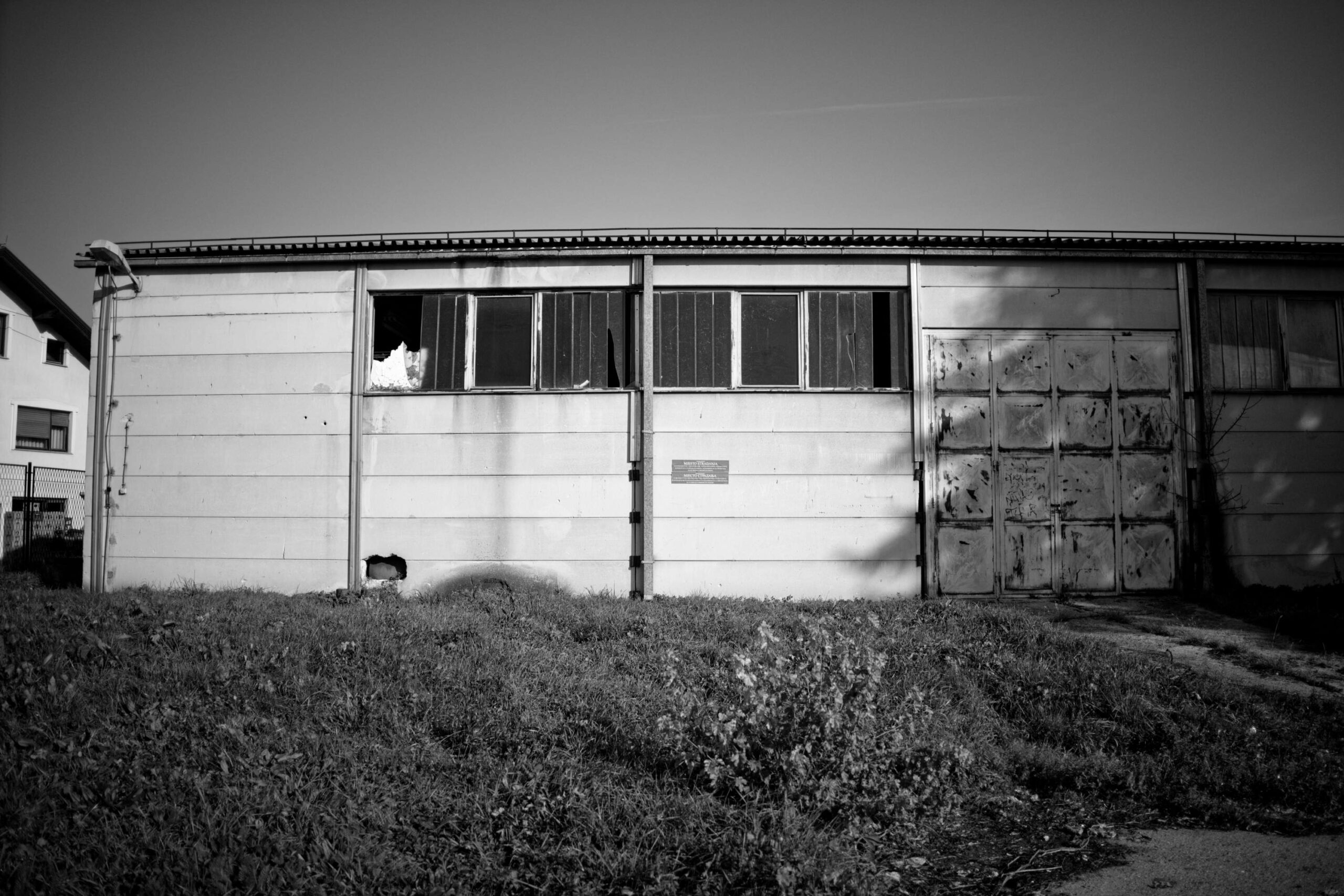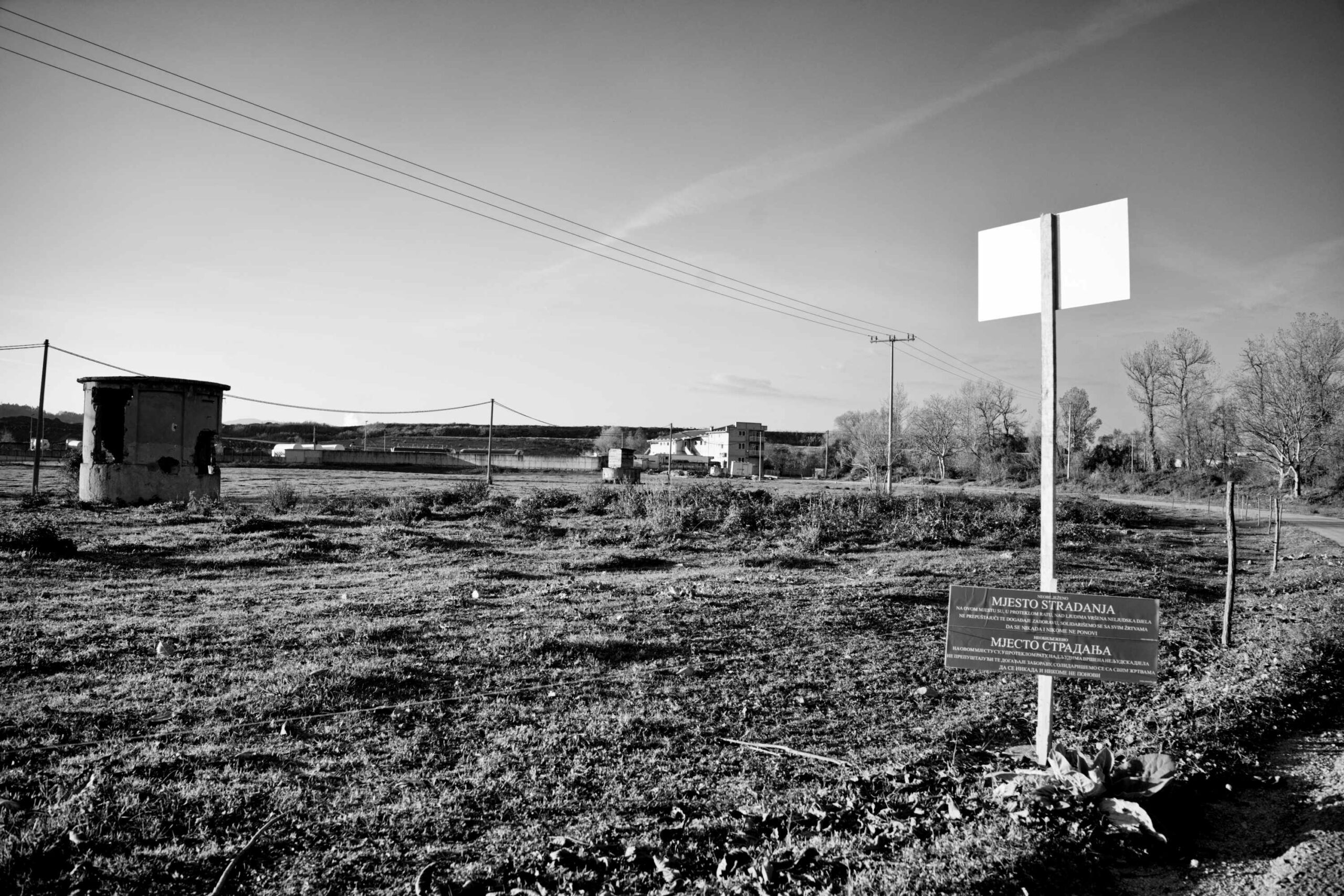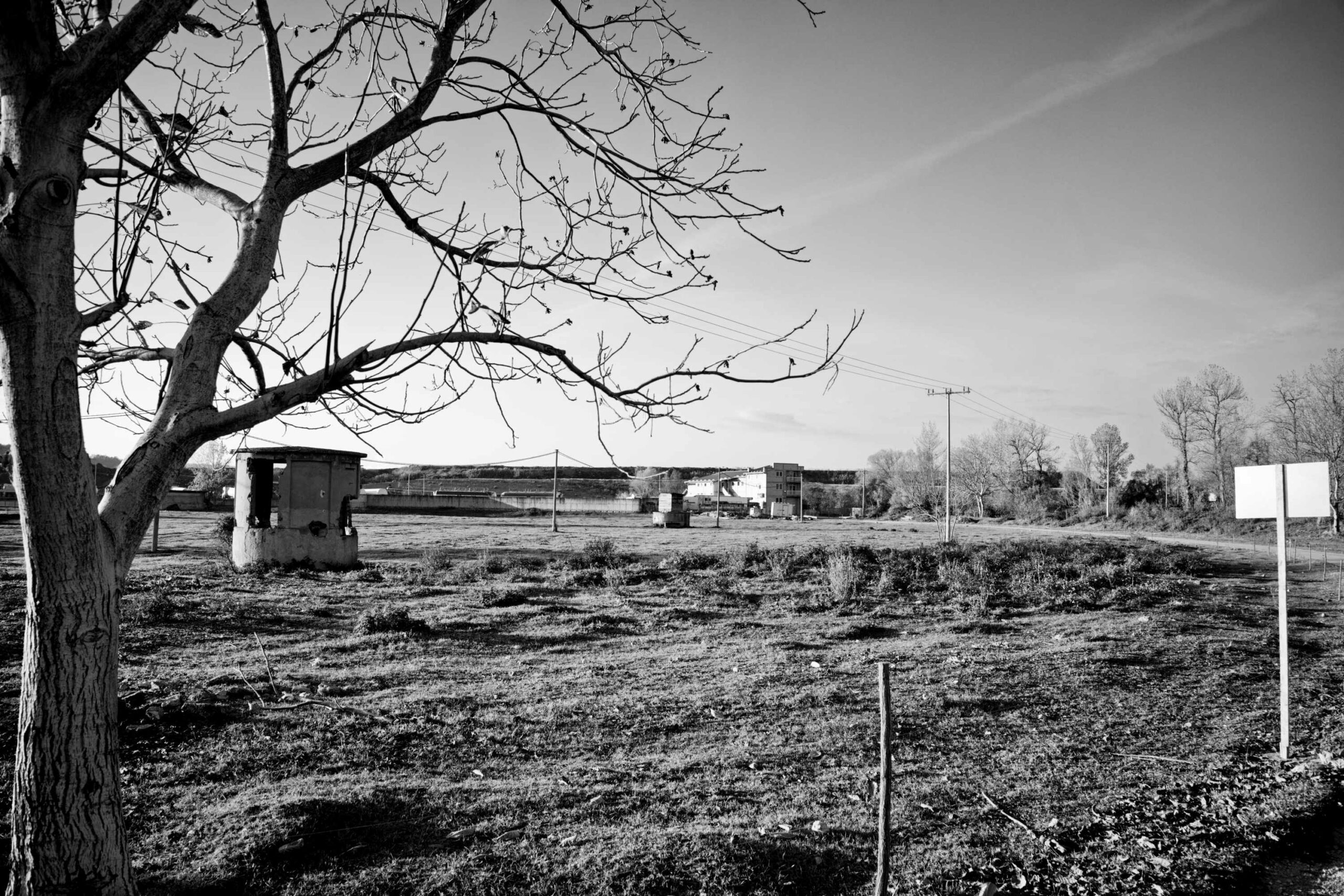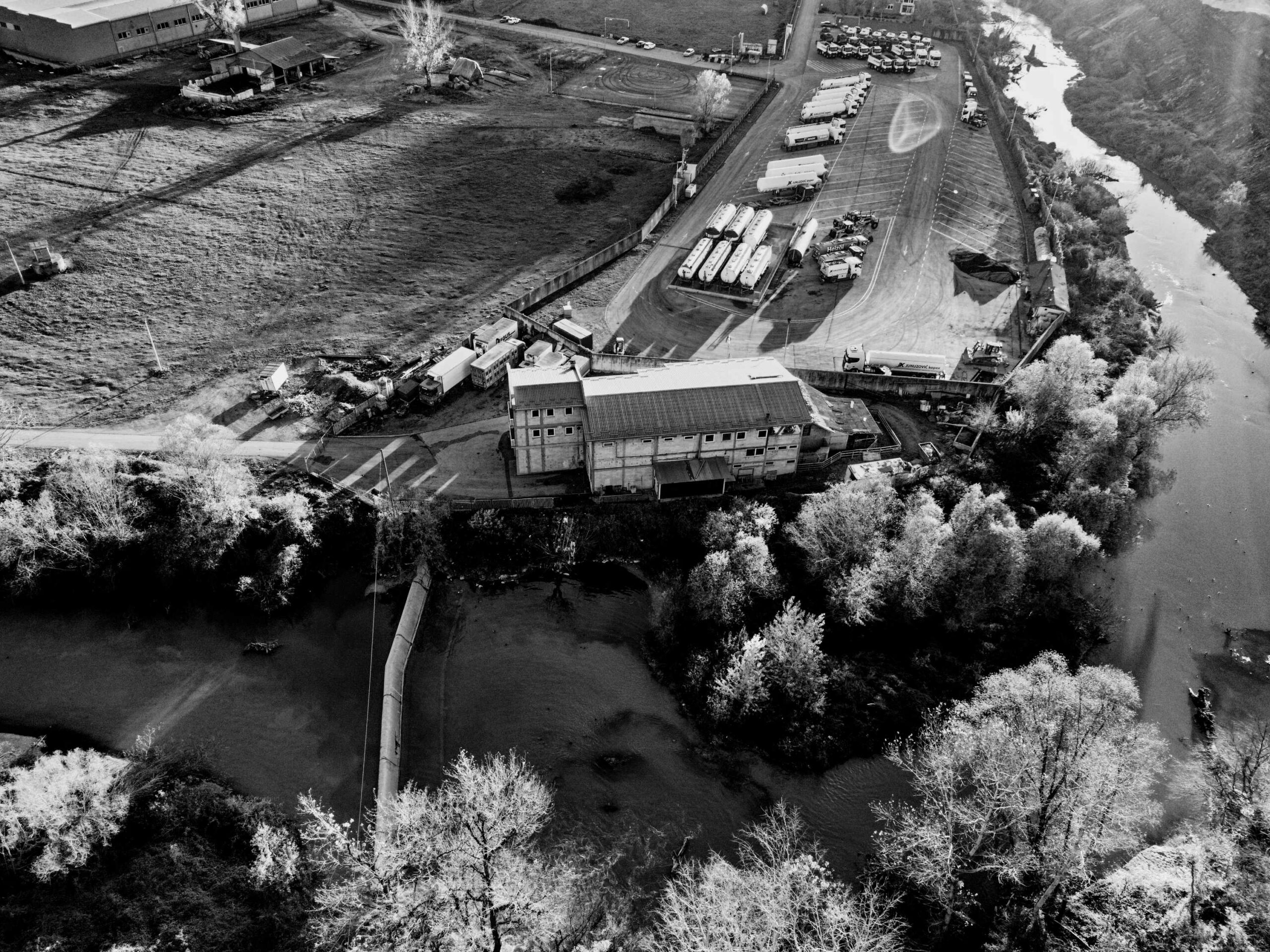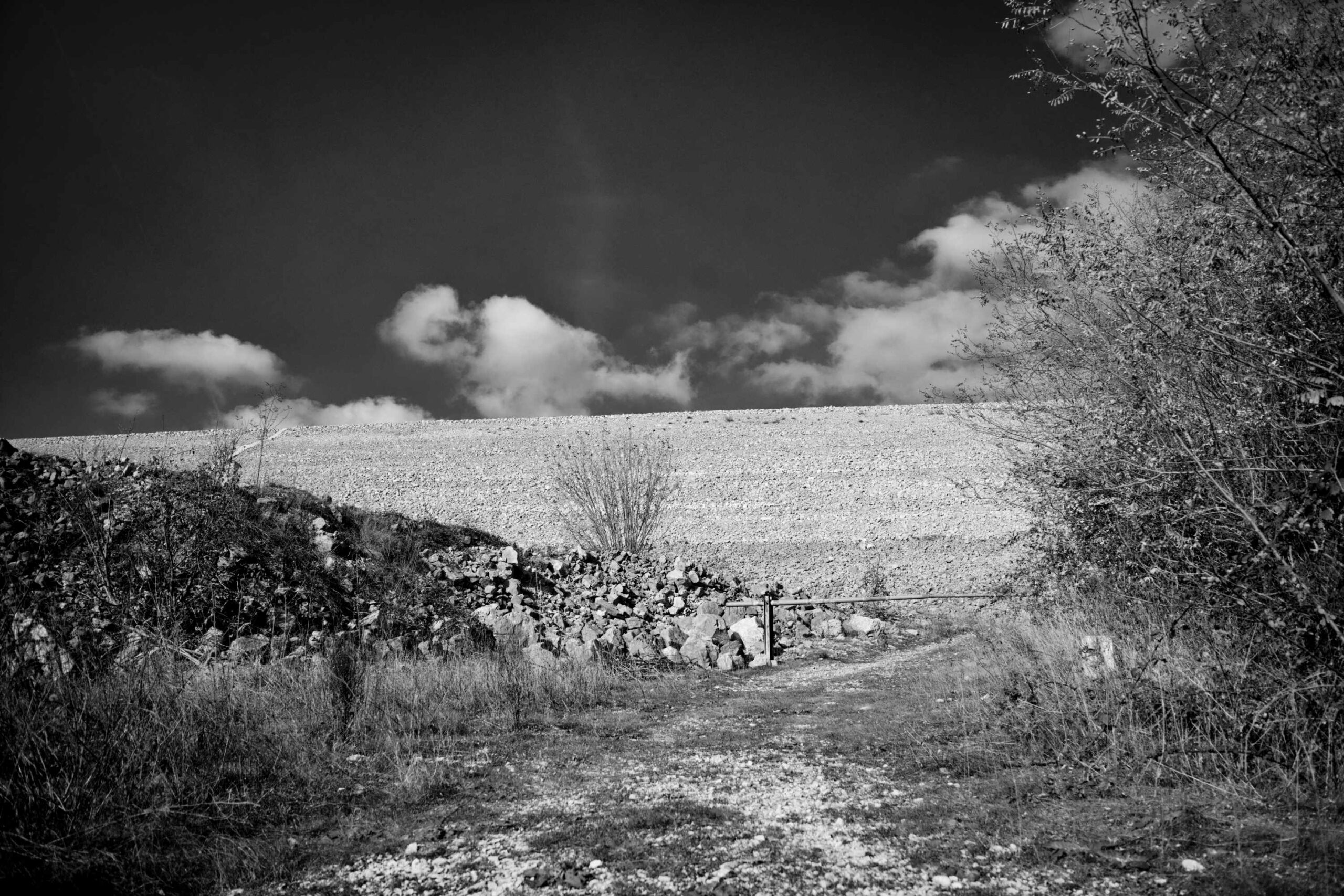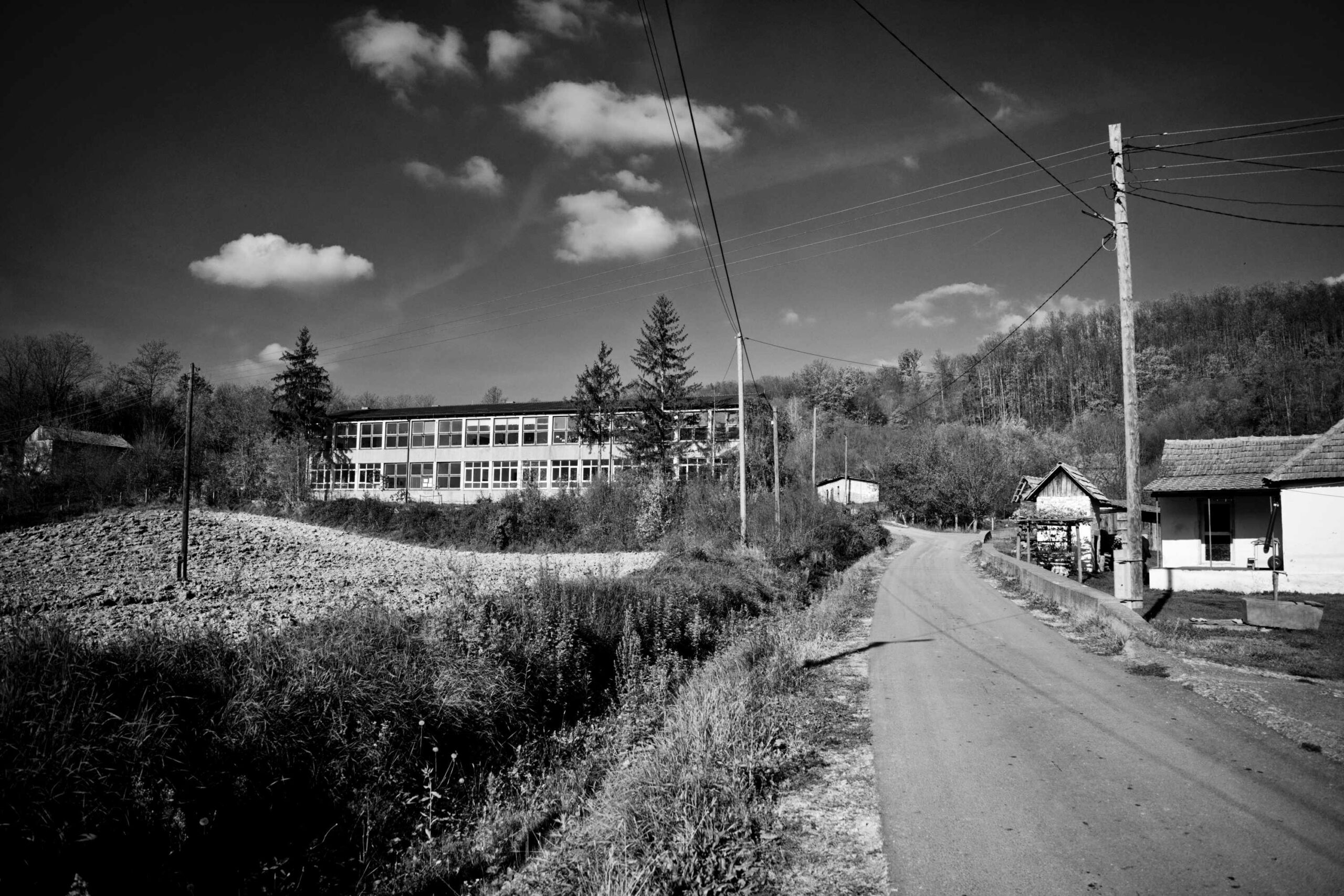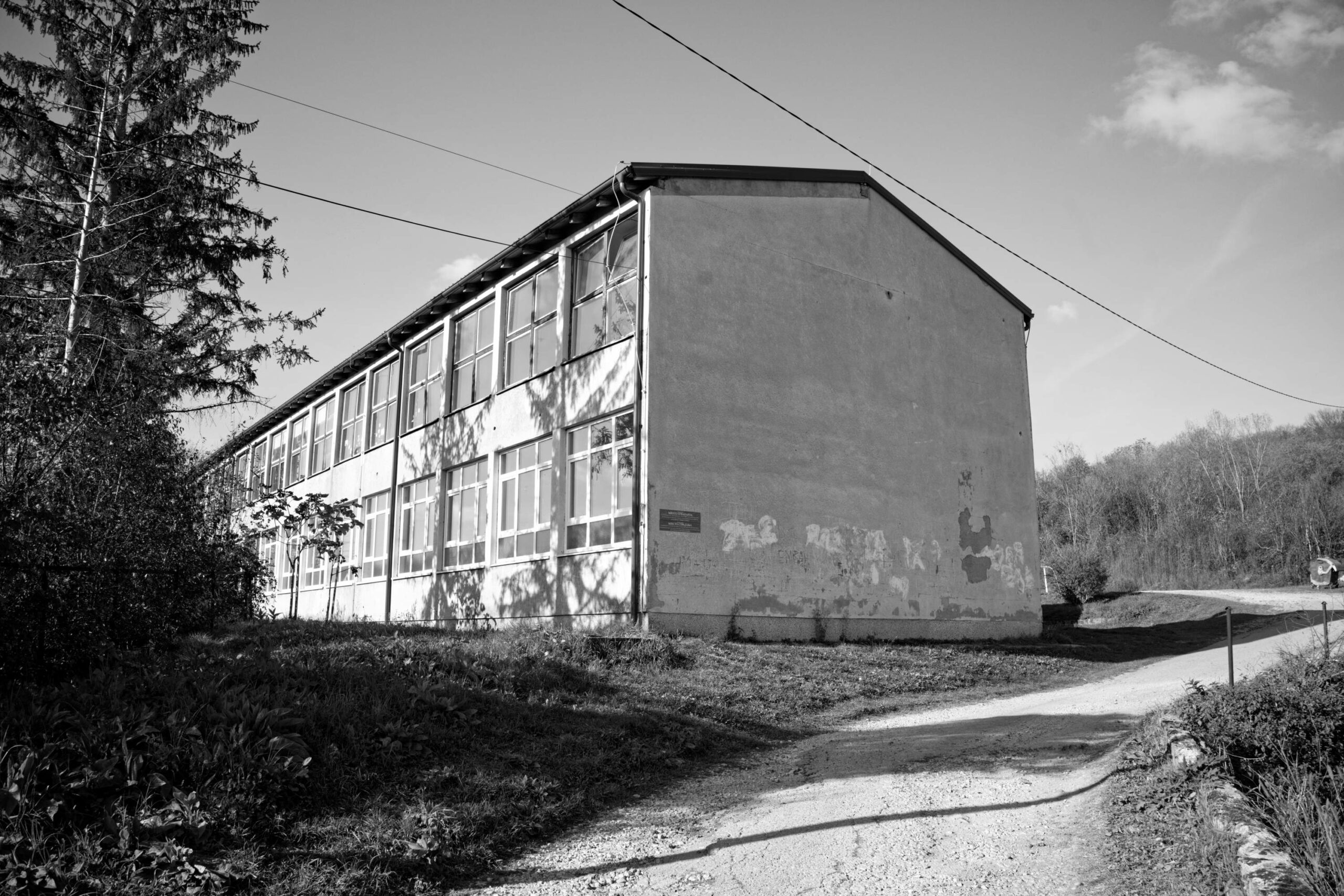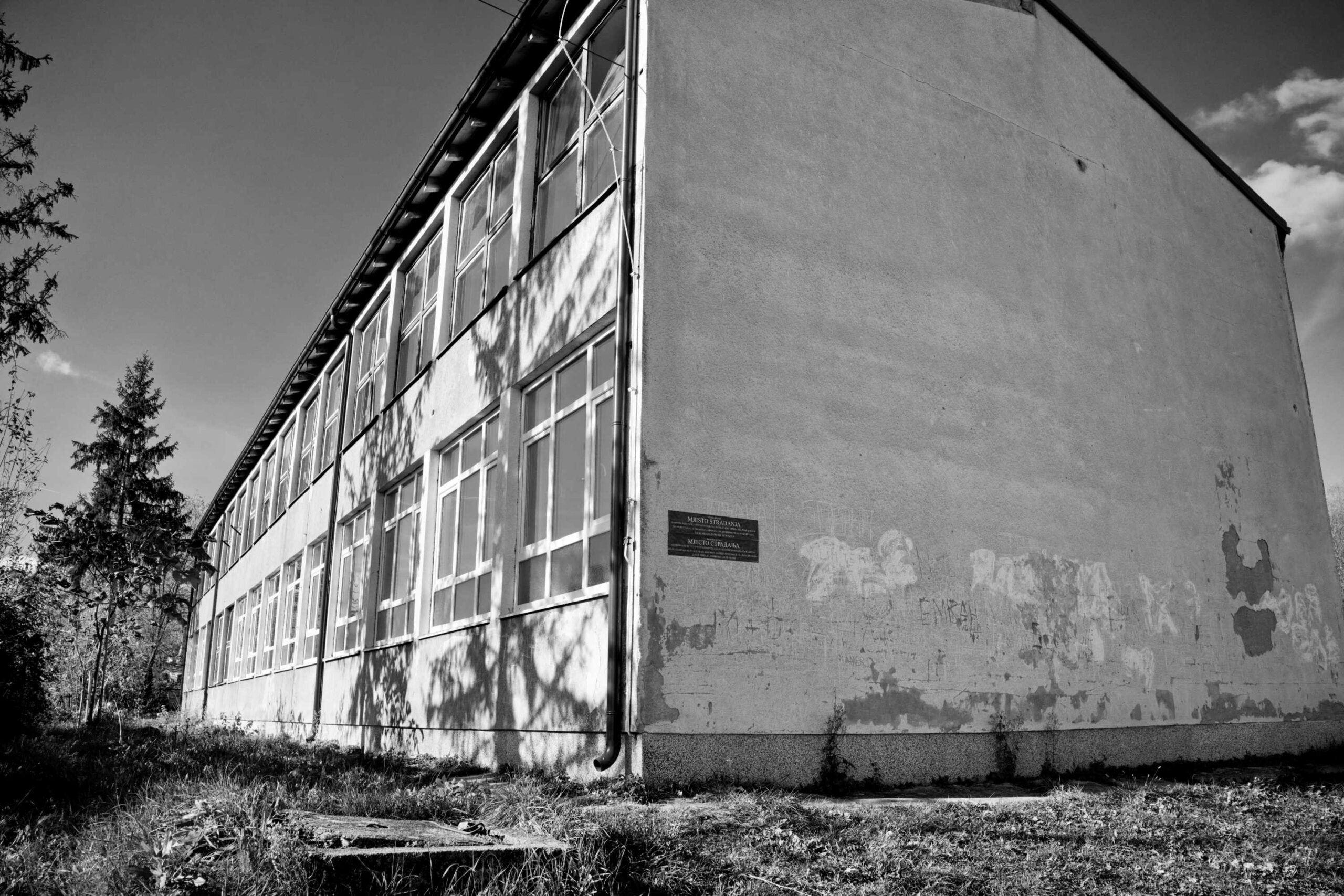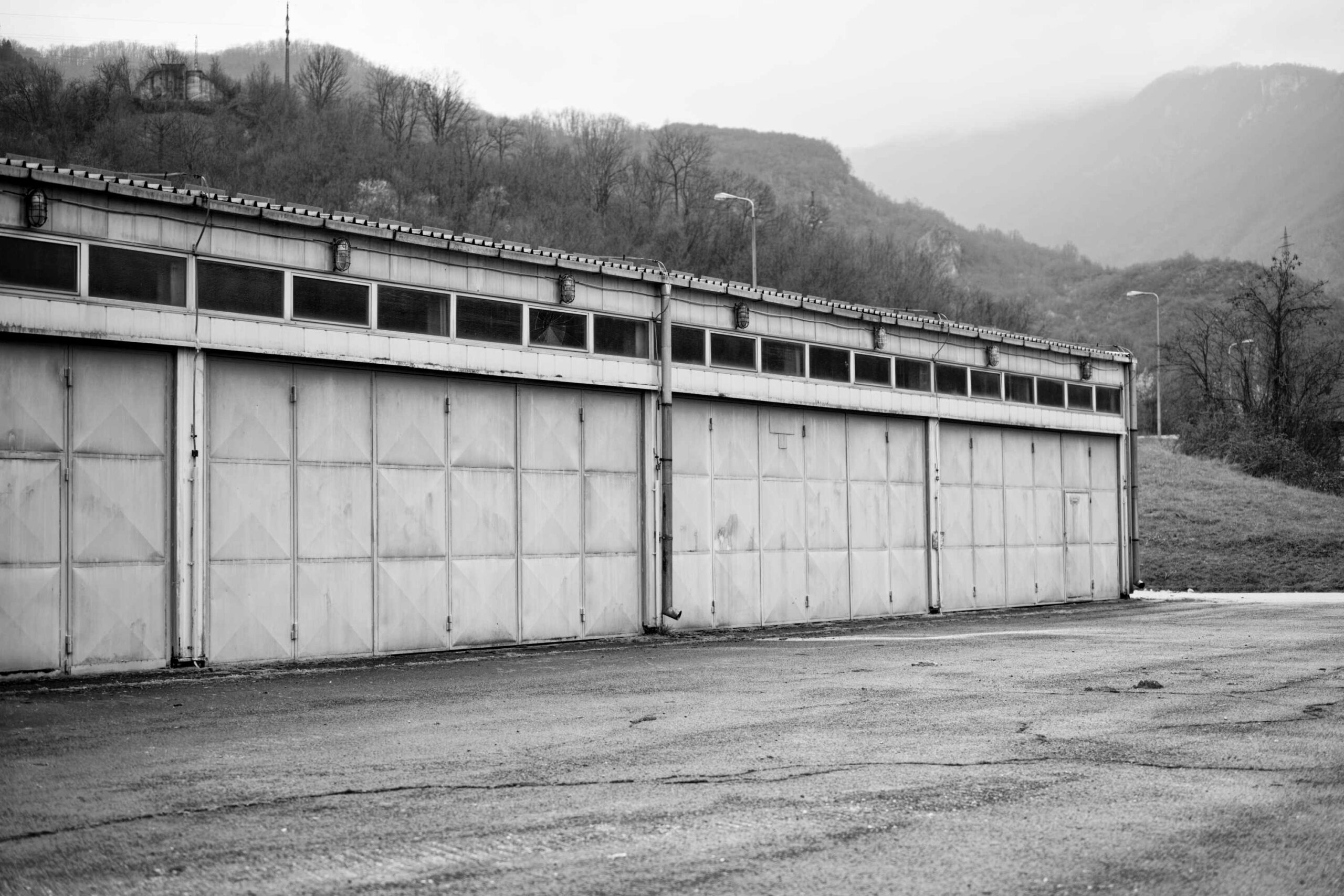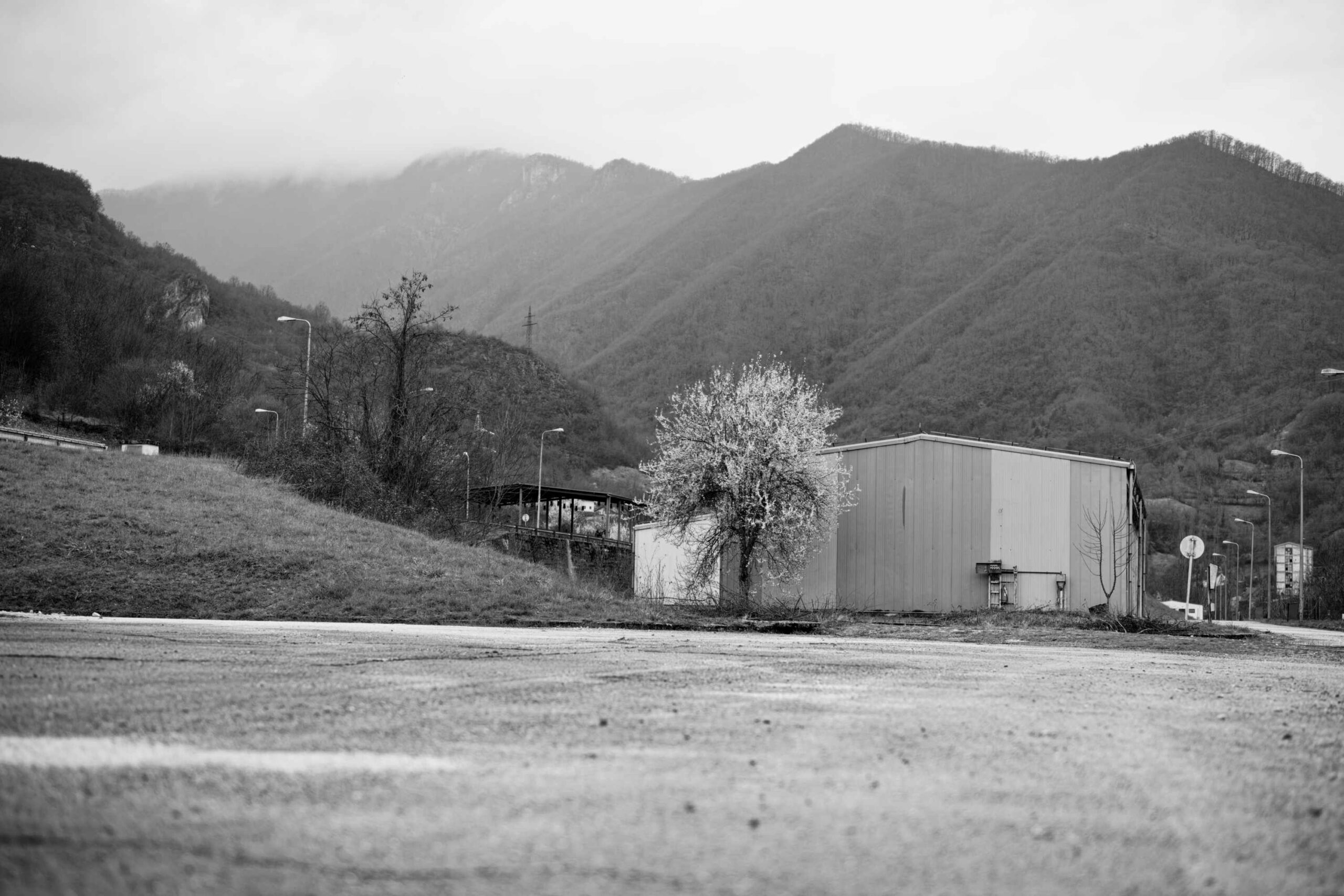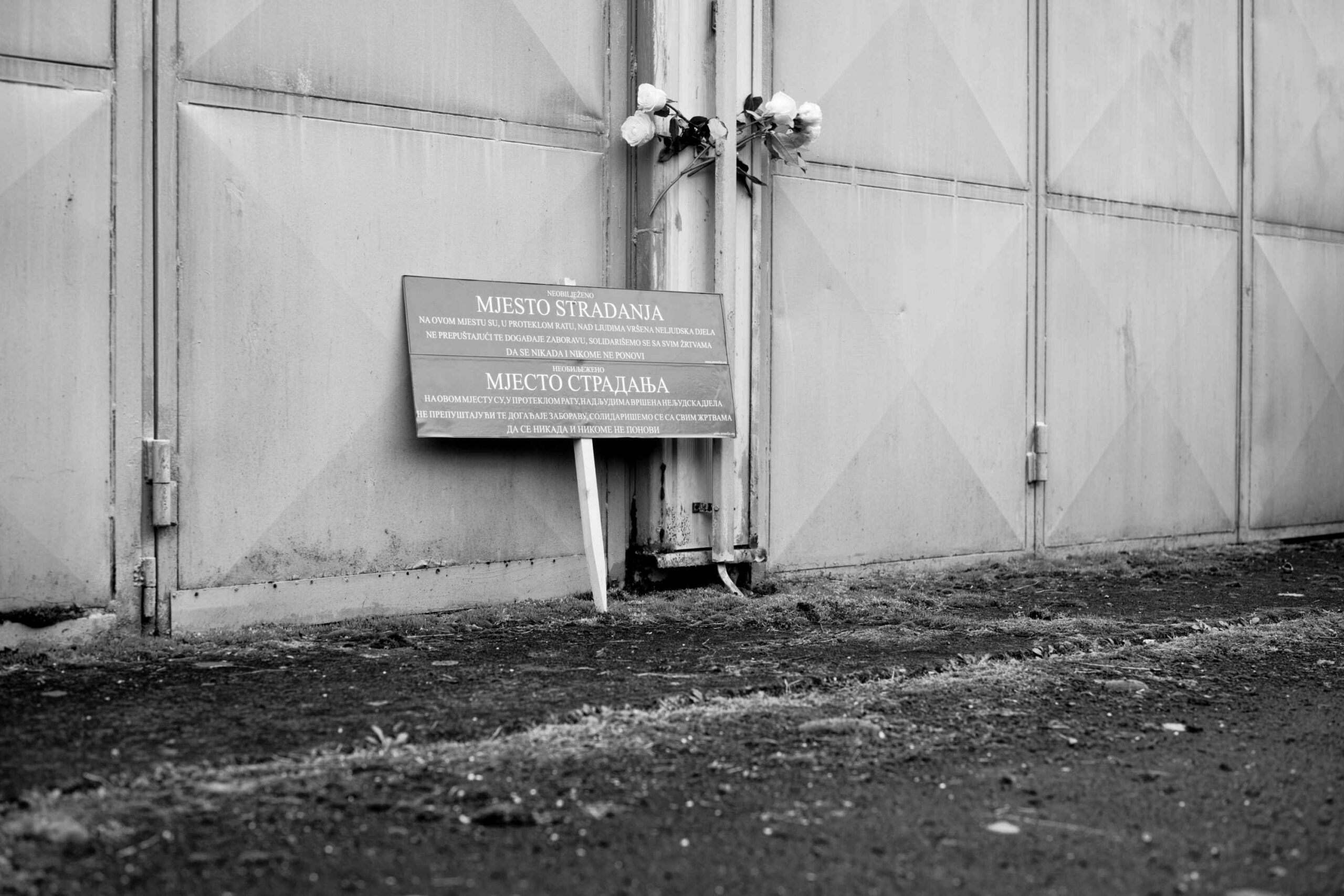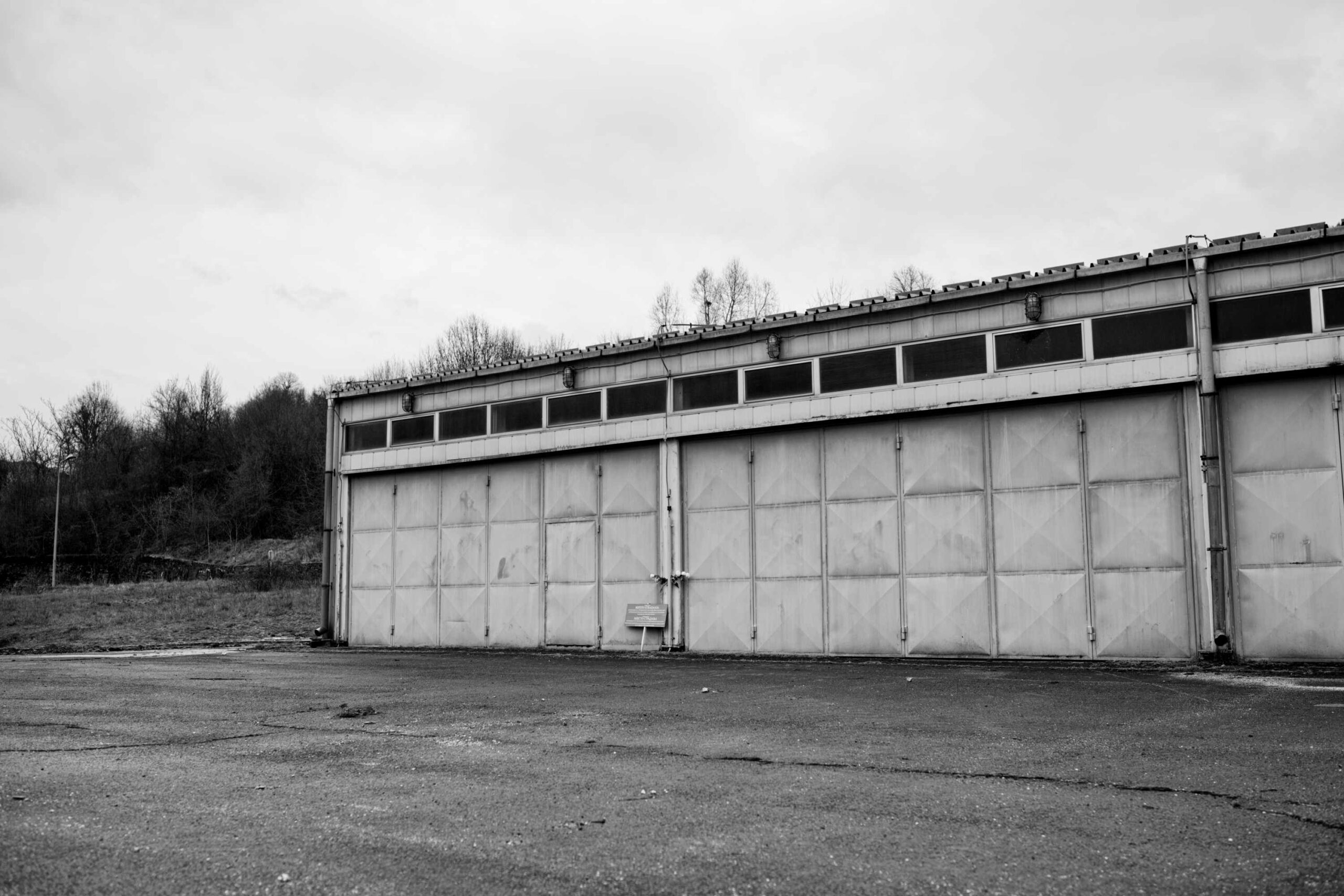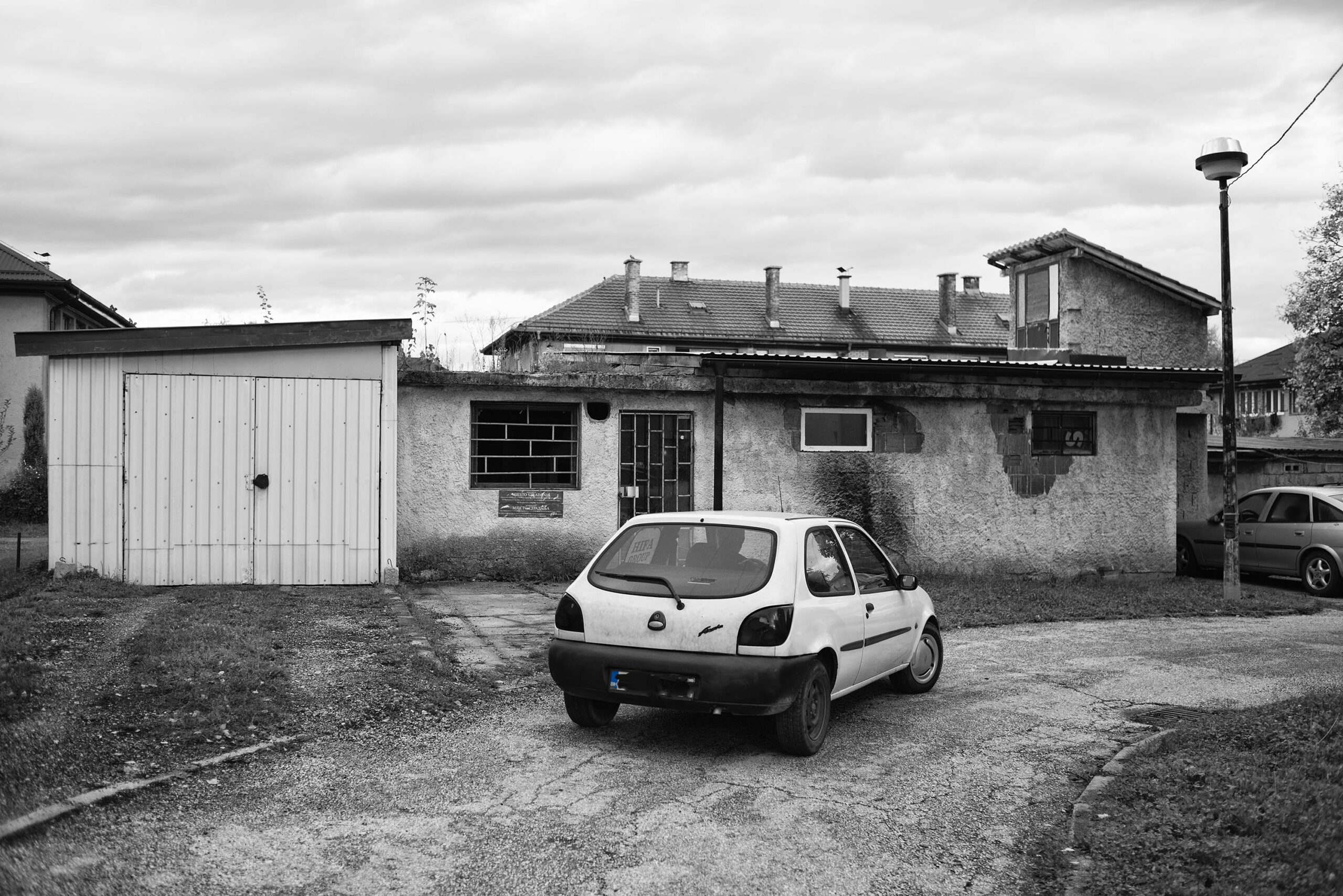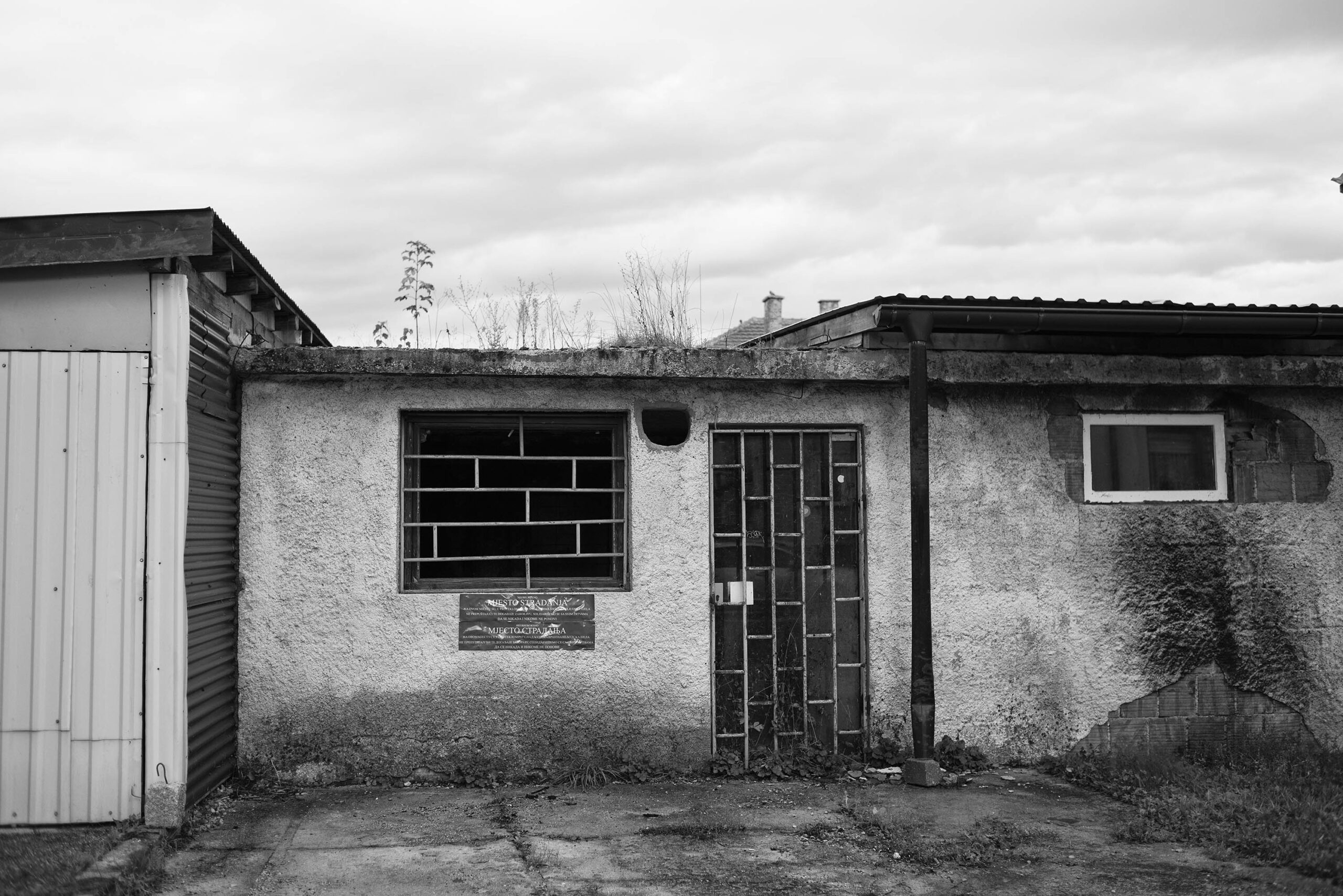
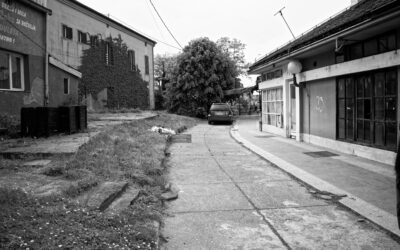
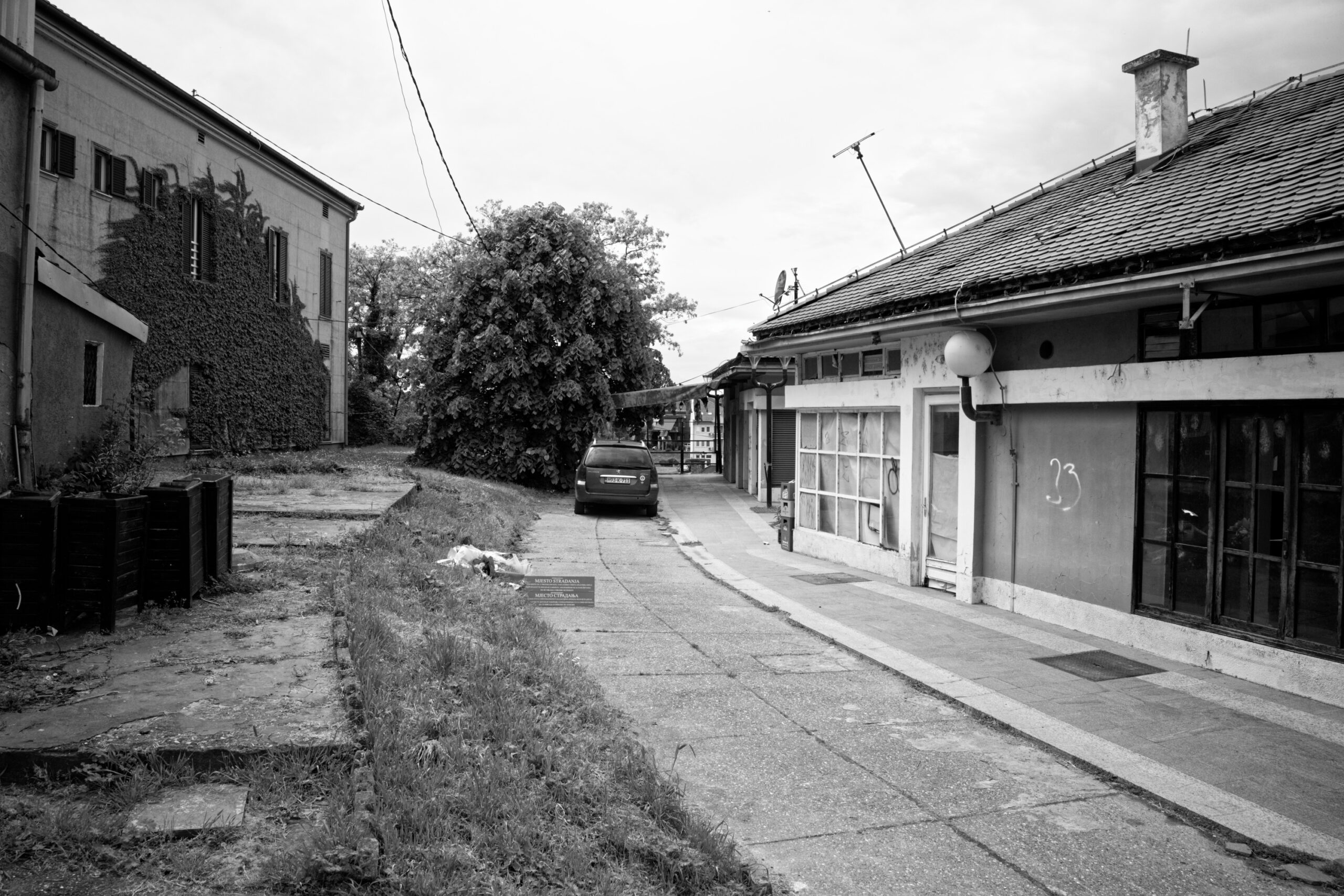
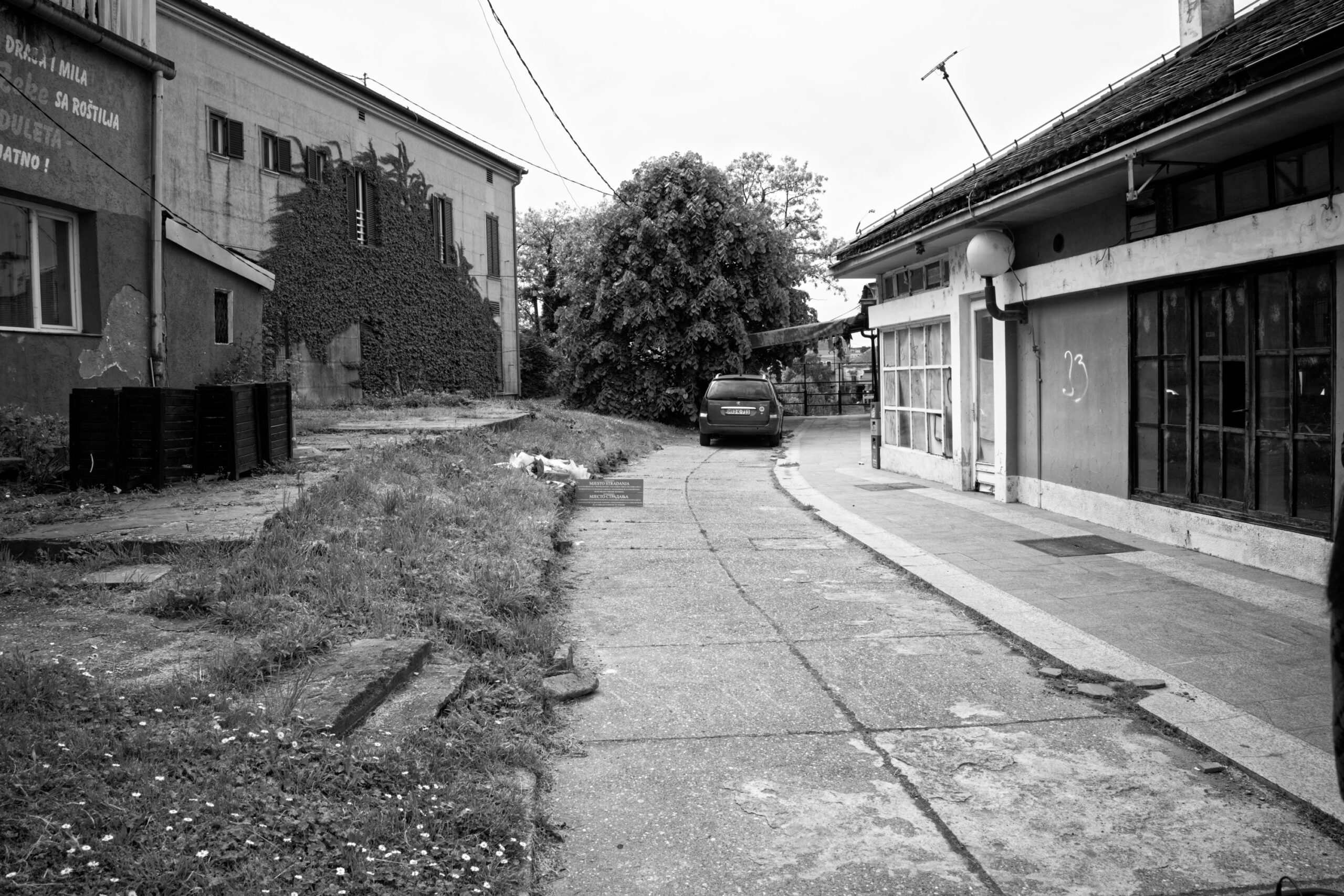
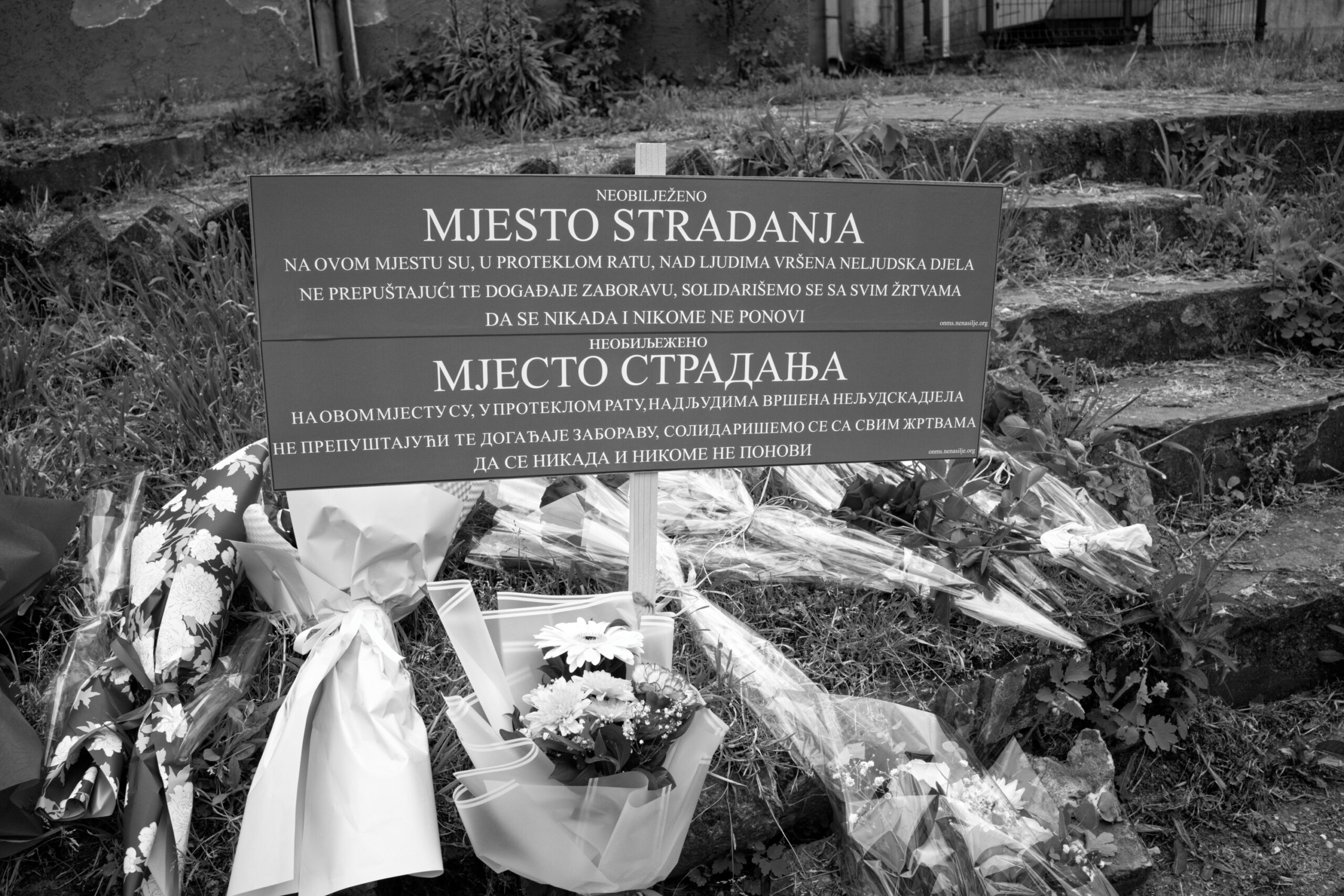
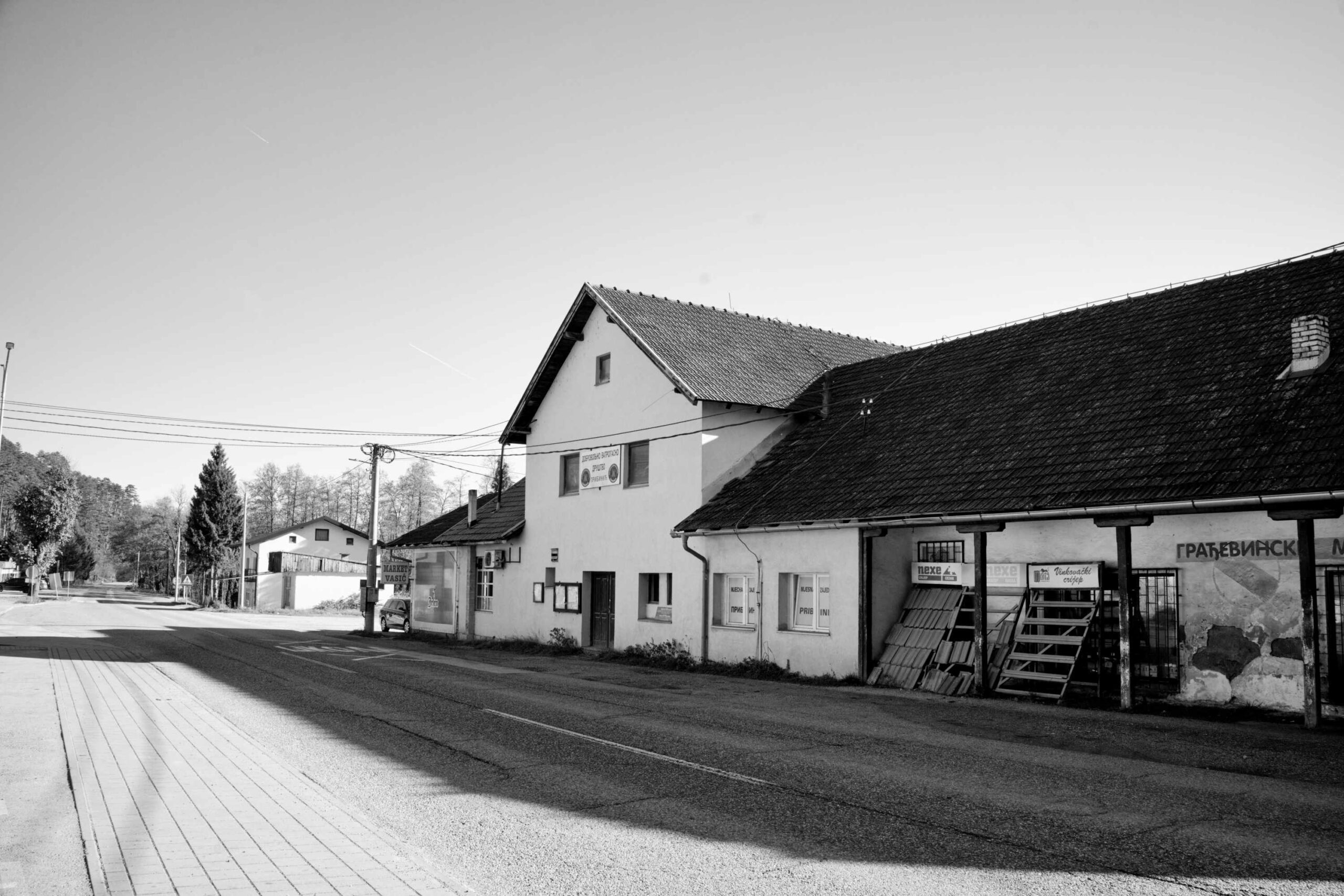
Barracks of the former Planum construction company, village of Šljivovica, Republic of Serbia

Barracks of the former Planum construction company, village of Šljivovica, Republic of Serbia

Info

Barracks of the former Planum construction company, village of Šljivovica, Republic of Serbia

Mjesto/lokacija:
Village of Šljivovica, Čajetina Municipality, near Užice, Republic of Serbia

Značaj lokaliteta:

Abandoned barracks of the former Planum construction company in the village of Šljivovica near Užice were used from August 1995 to 10 April 1996 as a site of detention for Bosniaks brought to there by force mostly after the fall of the Srebrenica and Žepa enclaves. The complex consisted of abandoned barracks with the administration housed in one structure and prisoners kept in the others. Upon arrival to the complex of abandoned barracks, the prisoners had to pass through a gauntlet of soldiers, had cold water poured on them and were forced to kneel on the concrete. A total of 350 Bosniaks were detained here at various times, and the prisoners were subjected to inhumane conditions, abuse and interrogations.
When the detention facility in Mitrovo Polje was closed, the remaining prisoners, 194 of them, were transferred back to Šljivovica where they remained until its closure on 10 April 1996. On the day of the detention facility’s closure, 13 or 14 prisoners were kept back on suspicion of having committed war crimes, but after a negative reaction from BiH authorities and the UN High Commissioner for Refugees (UNHCR), the prisoners were released.

Entitet:
Republika Srbija

Etnička grupa:
Bošnjaci/Bošnjakinje

Žrtve su sa područja:
Žepa

Nadležnost/ Odgovornost:
Army of Yugoslavia, SUP Užice

Sudski procesi:

Trials held before the ICTY did not determine responsibility for the detention facilities in Šljivovica and Mitrovo Polje, although evidence of their existence was presented in the Milošević, Tolimir, Popović, Perišić, and Stanišić and Simatović cases. Detention facilities for Bosniaks in Serbia are not mentioned in the judgement in the case of Bosnia and Herzegovina v. Yugoslavia for genocide committed in the territory of BiH that was tried before the International Court of Justice from 1993 to 2007.
Mujo Vatreš, who spent more than six months at the Mitrovo Polje detention facility in Serbia and lost around 50 kilograms, won a case for material damages in 2013. This is the first judgement in favour of a former prisoner and it is important because it confirms the existence of the detention facilities and the responsibility of Serbia.

Izvor podataka:
International Criminal Tribunal for the Former Yugoslavia (ICTY), Youth Initiative for Human Rights (YIHR), Humanitarian Law Center.

Obilježeno i fotografisano:
5.11.2025

Mapa:

Aktualizovano:
15.12.2025

Legenda

Armija Republike Bosne i Hercegovine – ARBiH
Centar službi bezbjednosti – CSB
Herceg Bosna – HB
Hrvatske obrambene snage – HOS
Hrvatska vojska – HV
Hrvatsko vijeće obrane – HVO
Jugoslovenska narodna armija – JNA

Međunarodni krivični sud za bivšu Jugoslaviju – MKSJ
Ministarstvo unutrašnjih poslova – MUP
Narodna odbrana Autonomne pokrajine zapadna Bosna – NO APZB
Stanica javne bezbjednosti – SJB
Srpska vojska Krajine – SVK
Teritorijalna odbrana Bosne i Hercegovine – TO BiH
Vojska Republike Srpske – VRS

Vojska Jugoslavije – VJ

Aktualizovano: 1. December 2025

Hunting Lodge in Begejci, Torak, Republic of Serbia

Hunting Lodge in Begejci, Torak, Republic of Serbia

Info

Barracks of the former Planum construction company, village of Šljivovica, Republic of Serbia

Mjesto/lokacija:
Village of Šljivovica, Čajetina Municipality, near Užice, Republic of Serbia

Značaj lokaliteta:

Abandoned barracks of the former Planum construction company in the village of Šljivovica near Užice were used from August 1995 to 10 April 1996 as a site of detention for Bosniaks brought to there by force mostly after the fall of the Srebrenica and Žepa enclaves. The complex consisted of abandoned barracks with the administration housed in one structure and prisoners kept in the others. Upon arrival to the complex of abandoned barracks, the prisoners had to pass through a gauntlet of soldiers, had cold water poured on them and were forced to kneel on the concrete. A total of 350 Bosniaks were detained here at various times, and the prisoners were subjected to inhumane conditions, abuse and interrogations.
When the detention facility in Mitrovo Polje was closed, the remaining prisoners, 194 of them, were transferred back to Šljivovica where they remained until its closure on 10 April 1996. On the day of the detention facility’s closure, 13 or 14 prisoners were kept back on suspicion of having committed war crimes, but after a negative reaction from BiH authorities and the UN High Commissioner for Refugees (UNHCR), the prisoners were released.

Entitet:
Republika Srbija

Etnička grupa:
Bošnjaci/Bošnjakinje

Žrtve su sa područja:
Žepa

Nadležnost/ Odgovornost:
Army of Yugoslavia, SUP Užice

Sudski procesi:

Trials held before the ICTY did not determine responsibility for the detention facilities in Šljivovica and Mitrovo Polje, although evidence of their existence was presented in the Milošević, Tolimir, Popović, Perišić, and Stanišić and Simatović cases. Detention facilities for Bosniaks in Serbia are not mentioned in the judgement in the case of Bosnia and Herzegovina v. Yugoslavia for genocide committed in the territory of BiH that was tried before the International Court of Justice from 1993 to 2007.
Mujo Vatreš, who spent more than six months at the Mitrovo Polje detention facility in Serbia and lost around 50 kilograms, won a case for material damages in 2013. This is the first judgement in favour of a former prisoner and it is important because it confirms the existence of the detention facilities and the responsibility of Serbia.

Izvor podataka:
International Criminal Tribunal for the Former Yugoslavia (ICTY), Youth Initiative for Human Rights (YIHR), Humanitarian Law Center.

Obilježeno i fotografisano:
5.11.2025

Mapa:

Aktualizovano:
15.12.2025

Legenda

Armija Republike Bosne i Hercegovine – ARBiH
Centar službi bezbjednosti – CSB
Herceg Bosna – HB
Hrvatske obrambene snage – HOS
Hrvatska vojska – HV
Hrvatsko vijeće obrane – HVO
Jugoslovenska narodna armija – JNA

Međunarodni krivični sud za bivšu Jugoslaviju – MKSJ
Ministarstvo unutrašnjih poslova – MUP
Narodna odbrana Autonomne pokrajine zapadna Bosna – NO APZB
Stanica javne bezbjednosti – SJB
Srpska vojska Krajine – SVK
Teritorijalna odbrana Bosne i Hercegovine – TO BiH
Vojska Republike Srpske – VRS

Vojska Jugoslavije – VJ

Aktualizovano: 1. December 2025

Stajićevo Farm, Republic of Serbia

Stajićevo Farm, Republic of Serbia

Info

Barracks of the former Planum construction company, village of Šljivovica, Republic of Serbia

Mjesto/lokacija:
Village of Šljivovica, Čajetina Municipality, near Užice, Republic of Serbia

Značaj lokaliteta:

Abandoned barracks of the former Planum construction company in the village of Šljivovica near Užice were used from August 1995 to 10 April 1996 as a site of detention for Bosniaks brought to there by force mostly after the fall of the Srebrenica and Žepa enclaves. The complex consisted of abandoned barracks with the administration housed in one structure and prisoners kept in the others. Upon arrival to the complex of abandoned barracks, the prisoners had to pass through a gauntlet of soldiers, had cold water poured on them and were forced to kneel on the concrete. A total of 350 Bosniaks were detained here at various times, and the prisoners were subjected to inhumane conditions, abuse and interrogations.
When the detention facility in Mitrovo Polje was closed, the remaining prisoners, 194 of them, were transferred back to Šljivovica where they remained until its closure on 10 April 1996. On the day of the detention facility’s closure, 13 or 14 prisoners were kept back on suspicion of having committed war crimes, but after a negative reaction from BiH authorities and the UN High Commissioner for Refugees (UNHCR), the prisoners were released.

Entitet:
Republika Srbija

Etnička grupa:
Bošnjaci/Bošnjakinje

Žrtve su sa područja:
Žepa

Nadležnost/ Odgovornost:
Army of Yugoslavia, SUP Užice

Sudski procesi:

Trials held before the ICTY did not determine responsibility for the detention facilities in Šljivovica and Mitrovo Polje, although evidence of their existence was presented in the Milošević, Tolimir, Popović, Perišić, and Stanišić and Simatović cases. Detention facilities for Bosniaks in Serbia are not mentioned in the judgement in the case of Bosnia and Herzegovina v. Yugoslavia for genocide committed in the territory of BiH that was tried before the International Court of Justice from 1993 to 2007.
Mujo Vatreš, who spent more than six months at the Mitrovo Polje detention facility in Serbia and lost around 50 kilograms, won a case for material damages in 2013. This is the first judgement in favour of a former prisoner and it is important because it confirms the existence of the detention facilities and the responsibility of Serbia.

Izvor podataka:
International Criminal Tribunal for the Former Yugoslavia (ICTY), Youth Initiative for Human Rights (YIHR), Humanitarian Law Center.

Obilježeno i fotografisano:
5.11.2025

Mapa:

Aktualizovano:
15.12.2025

Legenda

Armija Republike Bosne i Hercegovine – ARBiH
Centar službi bezbjednosti – CSB
Herceg Bosna – HB
Hrvatske obrambene snage – HOS
Hrvatska vojska – HV
Hrvatsko vijeće obrane – HVO
Jugoslovenska narodna armija – JNA

Međunarodni krivični sud za bivšu Jugoslaviju – MKSJ
Ministarstvo unutrašnjih poslova – MUP
Narodna odbrana Autonomne pokrajine zapadna Bosna – NO APZB
Stanica javne bezbjednosti – SJB
Srpska vojska Krajine – SVK
Teritorijalna odbrana Bosne i Hercegovine – TO BiH
Vojska Republike Srpske – VRS

Vojska Jugoslavije – VJ

Aktualizovano: 1. December 2025

Dvor Primary School, Republic of Croatia

Dvor Primary School, Republic of Croatia

Info

Barracks of the former Planum construction company, village of Šljivovica, Republic of Serbia

Mjesto/lokacija:
Village of Šljivovica, Čajetina Municipality, near Užice, Republic of Serbia

Značaj lokaliteta:

Abandoned barracks of the former Planum construction company in the village of Šljivovica near Užice were used from August 1995 to 10 April 1996 as a site of detention for Bosniaks brought to there by force mostly after the fall of the Srebrenica and Žepa enclaves. The complex consisted of abandoned barracks with the administration housed in one structure and prisoners kept in the others. Upon arrival to the complex of abandoned barracks, the prisoners had to pass through a gauntlet of soldiers, had cold water poured on them and were forced to kneel on the concrete. A total of 350 Bosniaks were detained here at various times, and the prisoners were subjected to inhumane conditions, abuse and interrogations.
When the detention facility in Mitrovo Polje was closed, the remaining prisoners, 194 of them, were transferred back to Šljivovica where they remained until its closure on 10 April 1996. On the day of the detention facility’s closure, 13 or 14 prisoners were kept back on suspicion of having committed war crimes, but after a negative reaction from BiH authorities and the UN High Commissioner for Refugees (UNHCR), the prisoners were released.

Entitet:
Republika Srbija

Etnička grupa:
Bošnjaci/Bošnjakinje

Žrtve su sa područja:
Žepa

Nadležnost/ Odgovornost:
Army of Yugoslavia, SUP Užice

Sudski procesi:

Trials held before the ICTY did not determine responsibility for the detention facilities in Šljivovica and Mitrovo Polje, although evidence of their existence was presented in the Milošević, Tolimir, Popović, Perišić, and Stanišić and Simatović cases. Detention facilities for Bosniaks in Serbia are not mentioned in the judgement in the case of Bosnia and Herzegovina v. Yugoslavia for genocide committed in the territory of BiH that was tried before the International Court of Justice from 1993 to 2007.
Mujo Vatreš, who spent more than six months at the Mitrovo Polje detention facility in Serbia and lost around 50 kilograms, won a case for material damages in 2013. This is the first judgement in favour of a former prisoner and it is important because it confirms the existence of the detention facilities and the responsibility of Serbia.

Izvor podataka:
International Criminal Tribunal for the Former Yugoslavia (ICTY), Youth Initiative for Human Rights (YIHR), Humanitarian Law Center.

Obilježeno i fotografisano:
5.11.2025

Mapa:

Aktualizovano:
15.12.2025

Legenda

Armija Republike Bosne i Hercegovine – ARBiH
Centar službi bezbjednosti – CSB
Herceg Bosna – HB
Hrvatske obrambene snage – HOS
Hrvatska vojska – HV
Hrvatsko vijeće obrane – HVO
Jugoslovenska narodna armija – JNA

Međunarodni krivični sud za bivšu Jugoslaviju – MKSJ
Ministarstvo unutrašnjih poslova – MUP
Narodna odbrana Autonomne pokrajine zapadna Bosna – NO APZB
Stanica javne bezbjednosti – SJB
Srpska vojska Krajine – SVK
Teritorijalna odbrana Bosne i Hercegovine – TO BiH
Vojska Republike Srpske – VRS

Vojska Jugoslavije – VJ

Aktualizovano: 1. December 2025

Dvorac Kerestinec, Kerestinec, Republic of Croatia

Dvorac Kerestinec, Kerestinec, Republic of Croatia

Info

Barracks of the former Planum construction company, village of Šljivovica, Republic of Serbia

Mjesto/lokacija:
Village of Šljivovica, Čajetina Municipality, near Užice, Republic of Serbia

Značaj lokaliteta:

Abandoned barracks of the former Planum construction company in the village of Šljivovica near Užice were used from August 1995 to 10 April 1996 as a site of detention for Bosniaks brought to there by force mostly after the fall of the Srebrenica and Žepa enclaves. The complex consisted of abandoned barracks with the administration housed in one structure and prisoners kept in the others. Upon arrival to the complex of abandoned barracks, the prisoners had to pass through a gauntlet of soldiers, had cold water poured on them and were forced to kneel on the concrete. A total of 350 Bosniaks were detained here at various times, and the prisoners were subjected to inhumane conditions, abuse and interrogations.
When the detention facility in Mitrovo Polje was closed, the remaining prisoners, 194 of them, were transferred back to Šljivovica where they remained until its closure on 10 April 1996. On the day of the detention facility’s closure, 13 or 14 prisoners were kept back on suspicion of having committed war crimes, but after a negative reaction from BiH authorities and the UN High Commissioner for Refugees (UNHCR), the prisoners were released.

Entitet:
Republika Srbija

Etnička grupa:
Bošnjaci/Bošnjakinje

Žrtve su sa područja:
Žepa

Nadležnost/ Odgovornost:
Army of Yugoslavia, SUP Užice

Sudski procesi:

Trials held before the ICTY did not determine responsibility for the detention facilities in Šljivovica and Mitrovo Polje, although evidence of their existence was presented in the Milošević, Tolimir, Popović, Perišić, and Stanišić and Simatović cases. Detention facilities for Bosniaks in Serbia are not mentioned in the judgement in the case of Bosnia and Herzegovina v. Yugoslavia for genocide committed in the territory of BiH that was tried before the International Court of Justice from 1993 to 2007.
Mujo Vatreš, who spent more than six months at the Mitrovo Polje detention facility in Serbia and lost around 50 kilograms, won a case for material damages in 2013. This is the first judgement in favour of a former prisoner and it is important because it confirms the existence of the detention facilities and the responsibility of Serbia.

Izvor podataka:
International Criminal Tribunal for the Former Yugoslavia (ICTY), Youth Initiative for Human Rights (YIHR), Humanitarian Law Center.

Obilježeno i fotografisano:
5.11.2025

Mapa:

Aktualizovano:
15.12.2025

Legenda

Armija Republike Bosne i Hercegovine – ARBiH
Centar službi bezbjednosti – CSB
Herceg Bosna – HB
Hrvatske obrambene snage – HOS
Hrvatska vojska – HV
Hrvatsko vijeće obrane – HVO
Jugoslovenska narodna armija – JNA

Međunarodni krivični sud za bivšu Jugoslaviju – MKSJ
Ministarstvo unutrašnjih poslova – MUP
Narodna odbrana Autonomne pokrajine zapadna Bosna – NO APZB
Stanica javne bezbjednosti – SJB
Srpska vojska Krajine – SVK
Teritorijalna odbrana Bosne i Hercegovine – TO BiH
Vojska Republike Srpske – VRS

Vojska Jugoslavije – VJ

Aktualizovano: 1. December 2025

Former Territorial Defence HQ “Stela”, Alipašino Polje, Sarajevo

Former Territorial Defence HQ “Stela”, Alipašino Polje, Sarajevo

Info

Barracks of the former Planum construction company, village of Šljivovica, Republic of Serbia

Mjesto/lokacija:
Village of Šljivovica, Čajetina Municipality, near Užice, Republic of Serbia

Značaj lokaliteta:

Abandoned barracks of the former Planum construction company in the village of Šljivovica near Užice were used from August 1995 to 10 April 1996 as a site of detention for Bosniaks brought to there by force mostly after the fall of the Srebrenica and Žepa enclaves. The complex consisted of abandoned barracks with the administration housed in one structure and prisoners kept in the others. Upon arrival to the complex of abandoned barracks, the prisoners had to pass through a gauntlet of soldiers, had cold water poured on them and were forced to kneel on the concrete. A total of 350 Bosniaks were detained here at various times, and the prisoners were subjected to inhumane conditions, abuse and interrogations.
When the detention facility in Mitrovo Polje was closed, the remaining prisoners, 194 of them, were transferred back to Šljivovica where they remained until its closure on 10 April 1996. On the day of the detention facility’s closure, 13 or 14 prisoners were kept back on suspicion of having committed war crimes, but after a negative reaction from BiH authorities and the UN High Commissioner for Refugees (UNHCR), the prisoners were released.

Entitet:
Republika Srbija

Etnička grupa:
Bošnjaci/Bošnjakinje

Žrtve su sa područja:
Žepa

Nadležnost/ Odgovornost:
Army of Yugoslavia, SUP Užice

Sudski procesi:

Trials held before the ICTY did not determine responsibility for the detention facilities in Šljivovica and Mitrovo Polje, although evidence of their existence was presented in the Milošević, Tolimir, Popović, Perišić, and Stanišić and Simatović cases. Detention facilities for Bosniaks in Serbia are not mentioned in the judgement in the case of Bosnia and Herzegovina v. Yugoslavia for genocide committed in the territory of BiH that was tried before the International Court of Justice from 1993 to 2007.
Mujo Vatreš, who spent more than six months at the Mitrovo Polje detention facility in Serbia and lost around 50 kilograms, won a case for material damages in 2013. This is the first judgement in favour of a former prisoner and it is important because it confirms the existence of the detention facilities and the responsibility of Serbia.

Izvor podataka:
International Criminal Tribunal for the Former Yugoslavia (ICTY), Youth Initiative for Human Rights (YIHR), Humanitarian Law Center.

Obilježeno i fotografisano:
5.11.2025

Mapa:

Aktualizovano:
15.12.2025

Legenda

Armija Republike Bosne i Hercegovine – ARBiH
Centar službi bezbjednosti – CSB
Herceg Bosna – HB
Hrvatske obrambene snage – HOS
Hrvatska vojska – HV
Hrvatsko vijeće obrane – HVO
Jugoslovenska narodna armija – JNA

Međunarodni krivični sud za bivšu Jugoslaviju – MKSJ
Ministarstvo unutrašnjih poslova – MUP
Narodna odbrana Autonomne pokrajine zapadna Bosna – NO APZB
Stanica javne bezbjednosti – SJB
Srpska vojska Krajine – SVK
Teritorijalna odbrana Bosne i Hercegovine – TO BiH
Vojska Republike Srpske – VRS

Vojska Jugoslavije – VJ

Aktualizovano: 1. December 2025

Pavilion 22 at the Zabreb Fair, Croatia

Pavilion 22 at the Zabreb Fair, Croatia

Info

Barracks of the former Planum construction company, village of Šljivovica, Republic of Serbia

Mjesto/lokacija:
Village of Šljivovica, Čajetina Municipality, near Užice, Republic of Serbia

Značaj lokaliteta:

Abandoned barracks of the former Planum construction company in the village of Šljivovica near Užice were used from August 1995 to 10 April 1996 as a site of detention for Bosniaks brought to there by force mostly after the fall of the Srebrenica and Žepa enclaves. The complex consisted of abandoned barracks with the administration housed in one structure and prisoners kept in the others. Upon arrival to the complex of abandoned barracks, the prisoners had to pass through a gauntlet of soldiers, had cold water poured on them and were forced to kneel on the concrete. A total of 350 Bosniaks were detained here at various times, and the prisoners were subjected to inhumane conditions, abuse and interrogations.
When the detention facility in Mitrovo Polje was closed, the remaining prisoners, 194 of them, were transferred back to Šljivovica where they remained until its closure on 10 April 1996. On the day of the detention facility’s closure, 13 or 14 prisoners were kept back on suspicion of having committed war crimes, but after a negative reaction from BiH authorities and the UN High Commissioner for Refugees (UNHCR), the prisoners were released.

Entitet:
Republika Srbija

Etnička grupa:
Bošnjaci/Bošnjakinje

Žrtve su sa područja:
Žepa

Nadležnost/ Odgovornost:
Army of Yugoslavia, SUP Užice

Sudski procesi:

Trials held before the ICTY did not determine responsibility for the detention facilities in Šljivovica and Mitrovo Polje, although evidence of their existence was presented in the Milošević, Tolimir, Popović, Perišić, and Stanišić and Simatović cases. Detention facilities for Bosniaks in Serbia are not mentioned in the judgement in the case of Bosnia and Herzegovina v. Yugoslavia for genocide committed in the territory of BiH that was tried before the International Court of Justice from 1993 to 2007.
Mujo Vatreš, who spent more than six months at the Mitrovo Polje detention facility in Serbia and lost around 50 kilograms, won a case for material damages in 2013. This is the first judgement in favour of a former prisoner and it is important because it confirms the existence of the detention facilities and the responsibility of Serbia.

Izvor podataka:
International Criminal Tribunal for the Former Yugoslavia (ICTY), Youth Initiative for Human Rights (YIHR), Humanitarian Law Center.

Obilježeno i fotografisano:
5.11.2025

Mapa:

Aktualizovano:
15.12.2025

Legenda

Armija Republike Bosne i Hercegovine – ARBiH
Centar službi bezbjednosti – CSB
Herceg Bosna – HB
Hrvatske obrambene snage – HOS
Hrvatska vojska – HV
Hrvatsko vijeće obrane – HVO
Jugoslovenska narodna armija – JNA

Međunarodni krivični sud za bivšu Jugoslaviju – MKSJ
Ministarstvo unutrašnjih poslova – MUP
Narodna odbrana Autonomne pokrajine zapadna Bosna – NO APZB
Stanica javne bezbjednosti – SJB
Srpska vojska Krajine – SVK
Teritorijalna odbrana Bosne i Hercegovine – TO BiH
Vojska Republike Srpske – VRS

Vojska Jugoslavije – VJ

Aktualizovano: 26. November 2024

Ribnjak – Marino Selo, Požega-Slavonia County,Croatia

Ribnjak – Marino Selo, Požega-Slavonia County,Croatia

Info

Barracks of the former Planum construction company, village of Šljivovica, Republic of Serbia

Mjesto/lokacija:
Village of Šljivovica, Čajetina Municipality, near Užice, Republic of Serbia

Značaj lokaliteta:

Abandoned barracks of the former Planum construction company in the village of Šljivovica near Užice were used from August 1995 to 10 April 1996 as a site of detention for Bosniaks brought to there by force mostly after the fall of the Srebrenica and Žepa enclaves. The complex consisted of abandoned barracks with the administration housed in one structure and prisoners kept in the others. Upon arrival to the complex of abandoned barracks, the prisoners had to pass through a gauntlet of soldiers, had cold water poured on them and were forced to kneel on the concrete. A total of 350 Bosniaks were detained here at various times, and the prisoners were subjected to inhumane conditions, abuse and interrogations.
When the detention facility in Mitrovo Polje was closed, the remaining prisoners, 194 of them, were transferred back to Šljivovica where they remained until its closure on 10 April 1996. On the day of the detention facility’s closure, 13 or 14 prisoners were kept back on suspicion of having committed war crimes, but after a negative reaction from BiH authorities and the UN High Commissioner for Refugees (UNHCR), the prisoners were released.

Entitet:
Republika Srbija

Etnička grupa:
Bošnjaci/Bošnjakinje

Žrtve su sa područja:
Žepa

Nadležnost/ Odgovornost:
Army of Yugoslavia, SUP Užice

Sudski procesi:

Trials held before the ICTY did not determine responsibility for the detention facilities in Šljivovica and Mitrovo Polje, although evidence of their existence was presented in the Milošević, Tolimir, Popović, Perišić, and Stanišić and Simatović cases. Detention facilities for Bosniaks in Serbia are not mentioned in the judgement in the case of Bosnia and Herzegovina v. Yugoslavia for genocide committed in the territory of BiH that was tried before the International Court of Justice from 1993 to 2007.
Mujo Vatreš, who spent more than six months at the Mitrovo Polje detention facility in Serbia and lost around 50 kilograms, won a case for material damages in 2013. This is the first judgement in favour of a former prisoner and it is important because it confirms the existence of the detention facilities and the responsibility of Serbia.

Izvor podataka:
International Criminal Tribunal for the Former Yugoslavia (ICTY), Youth Initiative for Human Rights (YIHR), Humanitarian Law Center.

Obilježeno i fotografisano:
5.11.2025

Mapa:

Aktualizovano:
15.12.2025

Legenda

Armija Republike Bosne i Hercegovine – ARBiH
Centar službi bezbjednosti – CSB
Herceg Bosna – HB
Hrvatske obrambene snage – HOS
Hrvatska vojska – HV
Hrvatsko vijeće obrane – HVO
Jugoslovenska narodna armija – JNA

Međunarodni krivični sud za bivšu Jugoslaviju – MKSJ
Ministarstvo unutrašnjih poslova – MUP
Narodna odbrana Autonomne pokrajine zapadna Bosna – NO APZB
Stanica javne bezbjednosti – SJB
Srpska vojska Krajine – SVK
Teritorijalna odbrana Bosne i Hercegovine – TO BiH
Vojska Republike Srpske – VRS

Vojska Jugoslavije – VJ

Aktualizovano: 26. November 2024

Bebe hamlet, Mount Borja, Teslić

Bebe hamlet, Mount Borja, Teslić

Info

Barracks of the former Planum construction company, village of Šljivovica, Republic of Serbia

Mjesto/lokacija:
Village of Šljivovica, Čajetina Municipality, near Užice, Republic of Serbia

Značaj lokaliteta:

Abandoned barracks of the former Planum construction company in the village of Šljivovica near Užice were used from August 1995 to 10 April 1996 as a site of detention for Bosniaks brought to there by force mostly after the fall of the Srebrenica and Žepa enclaves. The complex consisted of abandoned barracks with the administration housed in one structure and prisoners kept in the others. Upon arrival to the complex of abandoned barracks, the prisoners had to pass through a gauntlet of soldiers, had cold water poured on them and were forced to kneel on the concrete. A total of 350 Bosniaks were detained here at various times, and the prisoners were subjected to inhumane conditions, abuse and interrogations.
When the detention facility in Mitrovo Polje was closed, the remaining prisoners, 194 of them, were transferred back to Šljivovica where they remained until its closure on 10 April 1996. On the day of the detention facility’s closure, 13 or 14 prisoners were kept back on suspicion of having committed war crimes, but after a negative reaction from BiH authorities and the UN High Commissioner for Refugees (UNHCR), the prisoners were released.

Entitet:
Republika Srbija

Etnička grupa:
Bošnjaci/Bošnjakinje

Žrtve su sa područja:
Žepa

Nadležnost/ Odgovornost:
Army of Yugoslavia, SUP Užice

Sudski procesi:

Trials held before the ICTY did not determine responsibility for the detention facilities in Šljivovica and Mitrovo Polje, although evidence of their existence was presented in the Milošević, Tolimir, Popović, Perišić, and Stanišić and Simatović cases. Detention facilities for Bosniaks in Serbia are not mentioned in the judgement in the case of Bosnia and Herzegovina v. Yugoslavia for genocide committed in the territory of BiH that was tried before the International Court of Justice from 1993 to 2007.
Mujo Vatreš, who spent more than six months at the Mitrovo Polje detention facility in Serbia and lost around 50 kilograms, won a case for material damages in 2013. This is the first judgement in favour of a former prisoner and it is important because it confirms the existence of the detention facilities and the responsibility of Serbia.

Izvor podataka:
International Criminal Tribunal for the Former Yugoslavia (ICTY), Youth Initiative for Human Rights (YIHR), Humanitarian Law Center.

Obilježeno i fotografisano:
5.11.2025

Mapa:

Aktualizovano:
15.12.2025

Legenda

Armija Republike Bosne i Hercegovine – ARBiH
Centar službi bezbjednosti – CSB
Herceg Bosna – HB
Hrvatske obrambene snage – HOS
Hrvatska vojska – HV
Hrvatsko vijeće obrane – HVO
Jugoslovenska narodna armija – JNA

Međunarodni krivični sud za bivšu Jugoslaviju – MKSJ
Ministarstvo unutrašnjih poslova – MUP
Narodna odbrana Autonomne pokrajine zapadna Bosna – NO APZB
Stanica javne bezbjednosti – SJB
Srpska vojska Krajine – SVK
Teritorijalna odbrana Bosne i Hercegovine – TO BiH
Vojska Republike Srpske – VRS

Vojska Jugoslavije – VJ

Aktualizovano: 26. November 2024

Warehouse in Pribinić, Teslić

Warehouse in Pribinić, Teslić

Info

Barracks of the former Planum construction company, village of Šljivovica, Republic of Serbia

Mjesto/lokacija:
Village of Šljivovica, Čajetina Municipality, near Užice, Republic of Serbia

Značaj lokaliteta:

Abandoned barracks of the former Planum construction company in the village of Šljivovica near Užice were used from August 1995 to 10 April 1996 as a site of detention for Bosniaks brought to there by force mostly after the fall of the Srebrenica and Žepa enclaves. The complex consisted of abandoned barracks with the administration housed in one structure and prisoners kept in the others. Upon arrival to the complex of abandoned barracks, the prisoners had to pass through a gauntlet of soldiers, had cold water poured on them and were forced to kneel on the concrete. A total of 350 Bosniaks were detained here at various times, and the prisoners were subjected to inhumane conditions, abuse and interrogations.
When the detention facility in Mitrovo Polje was closed, the remaining prisoners, 194 of them, were transferred back to Šljivovica where they remained until its closure on 10 April 1996. On the day of the detention facility’s closure, 13 or 14 prisoners were kept back on suspicion of having committed war crimes, but after a negative reaction from BiH authorities and the UN High Commissioner for Refugees (UNHCR), the prisoners were released.

Entitet:
Republika Srbija

Etnička grupa:
Bošnjaci/Bošnjakinje

Žrtve su sa područja:
Žepa

Nadležnost/ Odgovornost:
Army of Yugoslavia, SUP Užice

Sudski procesi:

Trials held before the ICTY did not determine responsibility for the detention facilities in Šljivovica and Mitrovo Polje, although evidence of their existence was presented in the Milošević, Tolimir, Popović, Perišić, and Stanišić and Simatović cases. Detention facilities for Bosniaks in Serbia are not mentioned in the judgement in the case of Bosnia and Herzegovina v. Yugoslavia for genocide committed in the territory of BiH that was tried before the International Court of Justice from 1993 to 2007.
Mujo Vatreš, who spent more than six months at the Mitrovo Polje detention facility in Serbia and lost around 50 kilograms, won a case for material damages in 2013. This is the first judgement in favour of a former prisoner and it is important because it confirms the existence of the detention facilities and the responsibility of Serbia.

Izvor podataka:
International Criminal Tribunal for the Former Yugoslavia (ICTY), Youth Initiative for Human Rights (YIHR), Humanitarian Law Center.

Obilježeno i fotografisano:
5.11.2025

Mapa:

Aktualizovano:
15.12.2025

Legenda

Armija Republike Bosne i Hercegovine – ARBiH
Centar službi bezbjednosti – CSB
Herceg Bosna – HB
Hrvatske obrambene snage – HOS
Hrvatska vojska – HV
Hrvatsko vijeće obrane – HVO
Jugoslovenska narodna armija – JNA

Međunarodni krivični sud za bivšu Jugoslaviju – MKSJ
Ministarstvo unutrašnjih poslova – MUP
Narodna odbrana Autonomne pokrajine zapadna Bosna – NO APZB
Stanica javne bezbjednosti – SJB
Srpska vojska Krajine – SVK
Teritorijalna odbrana Bosne i Hercegovine – TO BiH
Vojska Republike Srpske – VRS

Vojska Jugoslavije – VJ

Aktualizovano: 26. November 2024

Former Territorial Defence building in Teslić

Former Territorial Defence building in Teslić

Info

Barracks of the former Planum construction company, village of Šljivovica, Republic of Serbia

Mjesto/lokacija:
Village of Šljivovica, Čajetina Municipality, near Užice, Republic of Serbia

Značaj lokaliteta:

Abandoned barracks of the former Planum construction company in the village of Šljivovica near Užice were used from August 1995 to 10 April 1996 as a site of detention for Bosniaks brought to there by force mostly after the fall of the Srebrenica and Žepa enclaves. The complex consisted of abandoned barracks with the administration housed in one structure and prisoners kept in the others. Upon arrival to the complex of abandoned barracks, the prisoners had to pass through a gauntlet of soldiers, had cold water poured on them and were forced to kneel on the concrete. A total of 350 Bosniaks were detained here at various times, and the prisoners were subjected to inhumane conditions, abuse and interrogations.
When the detention facility in Mitrovo Polje was closed, the remaining prisoners, 194 of them, were transferred back to Šljivovica where they remained until its closure on 10 April 1996. On the day of the detention facility’s closure, 13 or 14 prisoners were kept back on suspicion of having committed war crimes, but after a negative reaction from BiH authorities and the UN High Commissioner for Refugees (UNHCR), the prisoners were released.

Entitet:
Republika Srbija

Etnička grupa:
Bošnjaci/Bošnjakinje

Žrtve su sa područja:
Žepa

Nadležnost/ Odgovornost:
Army of Yugoslavia, SUP Užice

Sudski procesi:

Trials held before the ICTY did not determine responsibility for the detention facilities in Šljivovica and Mitrovo Polje, although evidence of their existence was presented in the Milošević, Tolimir, Popović, Perišić, and Stanišić and Simatović cases. Detention facilities for Bosniaks in Serbia are not mentioned in the judgement in the case of Bosnia and Herzegovina v. Yugoslavia for genocide committed in the territory of BiH that was tried before the International Court of Justice from 1993 to 2007.
Mujo Vatreš, who spent more than six months at the Mitrovo Polje detention facility in Serbia and lost around 50 kilograms, won a case for material damages in 2013. This is the first judgement in favour of a former prisoner and it is important because it confirms the existence of the detention facilities and the responsibility of Serbia.

Izvor podataka:
International Criminal Tribunal for the Former Yugoslavia (ICTY), Youth Initiative for Human Rights (YIHR), Humanitarian Law Center.

Obilježeno i fotografisano:
5.11.2025

Mapa:

Aktualizovano:
15.12.2025

Legenda

Armija Republike Bosne i Hercegovine – ARBiH
Centar službi bezbjednosti – CSB
Herceg Bosna – HB
Hrvatske obrambene snage – HOS
Hrvatska vojska – HV
Hrvatsko vijeće obrane – HVO
Jugoslovenska narodna armija – JNA

Međunarodni krivični sud za bivšu Jugoslaviju – MKSJ
Ministarstvo unutrašnjih poslova – MUP
Narodna odbrana Autonomne pokrajine zapadna Bosna – NO APZB
Stanica javne bezbjednosti – SJB
Srpska vojska Krajine – SVK
Teritorijalna odbrana Bosne i Hercegovine – TO BiH
Vojska Republike Srpske – VRS

Vojska Jugoslavije – VJ

Aktualizovano: 26. November 2024

Former detention facility in Vijaka, Prnjavor

Former detention facility in Vijaka, Prnjavor

Info

Barracks of the former Planum construction company, village of Šljivovica, Republic of Serbia

Mjesto/lokacija:
Village of Šljivovica, Čajetina Municipality, near Užice, Republic of Serbia

Značaj lokaliteta:

Abandoned barracks of the former Planum construction company in the village of Šljivovica near Užice were used from August 1995 to 10 April 1996 as a site of detention for Bosniaks brought to there by force mostly after the fall of the Srebrenica and Žepa enclaves. The complex consisted of abandoned barracks with the administration housed in one structure and prisoners kept in the others. Upon arrival to the complex of abandoned barracks, the prisoners had to pass through a gauntlet of soldiers, had cold water poured on them and were forced to kneel on the concrete. A total of 350 Bosniaks were detained here at various times, and the prisoners were subjected to inhumane conditions, abuse and interrogations.
When the detention facility in Mitrovo Polje was closed, the remaining prisoners, 194 of them, were transferred back to Šljivovica where they remained until its closure on 10 April 1996. On the day of the detention facility’s closure, 13 or 14 prisoners were kept back on suspicion of having committed war crimes, but after a negative reaction from BiH authorities and the UN High Commissioner for Refugees (UNHCR), the prisoners were released.

Entitet:
Republika Srbija

Etnička grupa:
Bošnjaci/Bošnjakinje

Žrtve su sa područja:
Žepa

Nadležnost/ Odgovornost:
Army of Yugoslavia, SUP Užice

Sudski procesi:

Trials held before the ICTY did not determine responsibility for the detention facilities in Šljivovica and Mitrovo Polje, although evidence of their existence was presented in the Milošević, Tolimir, Popović, Perišić, and Stanišić and Simatović cases. Detention facilities for Bosniaks in Serbia are not mentioned in the judgement in the case of Bosnia and Herzegovina v. Yugoslavia for genocide committed in the territory of BiH that was tried before the International Court of Justice from 1993 to 2007.
Mujo Vatreš, who spent more than six months at the Mitrovo Polje detention facility in Serbia and lost around 50 kilograms, won a case for material damages in 2013. This is the first judgement in favour of a former prisoner and it is important because it confirms the existence of the detention facilities and the responsibility of Serbia.

Izvor podataka:
International Criminal Tribunal for the Former Yugoslavia (ICTY), Youth Initiative for Human Rights (YIHR), Humanitarian Law Center.

Obilježeno i fotografisano:
5.11.2025

Mapa:

Aktualizovano:
15.12.2025

Legenda

Armija Republike Bosne i Hercegovine – ARBiH
Centar službi bezbjednosti – CSB
Herceg Bosna – HB
Hrvatske obrambene snage – HOS
Hrvatska vojska – HV
Hrvatsko vijeće obrane – HVO
Jugoslovenska narodna armija – JNA

Međunarodni krivični sud za bivšu Jugoslaviju – MKSJ
Ministarstvo unutrašnjih poslova – MUP
Narodna odbrana Autonomne pokrajine zapadna Bosna – NO APZB
Stanica javne bezbjednosti – SJB
Srpska vojska Krajine – SVK
Teritorijalna odbrana Bosne i Hercegovine – TO BiH
Vojska Republike Srpske – VRS

Vojska Jugoslavije – VJ

Aktualizovano: 26. November 2024

Former Sloga shoe factory, Prnjavor

Former Sloga shoe factory, Prnjavor

Info

Barracks of the former Planum construction company, village of Šljivovica, Republic of Serbia

Mjesto/lokacija:
Village of Šljivovica, Čajetina Municipality, near Užice, Republic of Serbia

Značaj lokaliteta:

Abandoned barracks of the former Planum construction company in the village of Šljivovica near Užice were used from August 1995 to 10 April 1996 as a site of detention for Bosniaks brought to there by force mostly after the fall of the Srebrenica and Žepa enclaves. The complex consisted of abandoned barracks with the administration housed in one structure and prisoners kept in the others. Upon arrival to the complex of abandoned barracks, the prisoners had to pass through a gauntlet of soldiers, had cold water poured on them and were forced to kneel on the concrete. A total of 350 Bosniaks were detained here at various times, and the prisoners were subjected to inhumane conditions, abuse and interrogations.
When the detention facility in Mitrovo Polje was closed, the remaining prisoners, 194 of them, were transferred back to Šljivovica where they remained until its closure on 10 April 1996. On the day of the detention facility’s closure, 13 or 14 prisoners were kept back on suspicion of having committed war crimes, but after a negative reaction from BiH authorities and the UN High Commissioner for Refugees (UNHCR), the prisoners were released.

Entitet:
Republika Srbija

Etnička grupa:
Bošnjaci/Bošnjakinje

Žrtve su sa područja:
Žepa

Nadležnost/ Odgovornost:
Army of Yugoslavia, SUP Užice

Sudski procesi:

Trials held before the ICTY did not determine responsibility for the detention facilities in Šljivovica and Mitrovo Polje, although evidence of their existence was presented in the Milošević, Tolimir, Popović, Perišić, and Stanišić and Simatović cases. Detention facilities for Bosniaks in Serbia are not mentioned in the judgement in the case of Bosnia and Herzegovina v. Yugoslavia for genocide committed in the territory of BiH that was tried before the International Court of Justice from 1993 to 2007.
Mujo Vatreš, who spent more than six months at the Mitrovo Polje detention facility in Serbia and lost around 50 kilograms, won a case for material damages in 2013. This is the first judgement in favour of a former prisoner and it is important because it confirms the existence of the detention facilities and the responsibility of Serbia.

Izvor podataka:
International Criminal Tribunal for the Former Yugoslavia (ICTY), Youth Initiative for Human Rights (YIHR), Humanitarian Law Center.

Obilježeno i fotografisano:
5.11.2025

Mapa:

Aktualizovano:
15.12.2025

Legenda

Armija Republike Bosne i Hercegovine – ARBiH
Centar službi bezbjednosti – CSB
Herceg Bosna – HB
Hrvatske obrambene snage – HOS
Hrvatska vojska – HV
Hrvatsko vijeće obrane – HVO
Jugoslovenska narodna armija – JNA

Međunarodni krivični sud za bivšu Jugoslaviju – MKSJ
Ministarstvo unutrašnjih poslova – MUP
Narodna odbrana Autonomne pokrajine zapadna Bosna – NO APZB
Stanica javne bezbjednosti – SJB
Srpska vojska Krajine – SVK
Teritorijalna odbrana Bosne i Hercegovine – TO BiH
Vojska Republike Srpske – VRS

Vojska Jugoslavije – VJ

Aktualizovano: 26. November 2024

Abattoir facility in Modrac, Lukavac

Abattoir facility in Modrac, Lukavac

Info

Barracks of the former Planum construction company, village of Šljivovica, Republic of Serbia

Mjesto/lokacija:
Village of Šljivovica, Čajetina Municipality, near Užice, Republic of Serbia

Značaj lokaliteta:

Abandoned barracks of the former Planum construction company in the village of Šljivovica near Užice were used from August 1995 to 10 April 1996 as a site of detention for Bosniaks brought to there by force mostly after the fall of the Srebrenica and Žepa enclaves. The complex consisted of abandoned barracks with the administration housed in one structure and prisoners kept in the others. Upon arrival to the complex of abandoned barracks, the prisoners had to pass through a gauntlet of soldiers, had cold water poured on them and were forced to kneel on the concrete. A total of 350 Bosniaks were detained here at various times, and the prisoners were subjected to inhumane conditions, abuse and interrogations.
When the detention facility in Mitrovo Polje was closed, the remaining prisoners, 194 of them, were transferred back to Šljivovica where they remained until its closure on 10 April 1996. On the day of the detention facility’s closure, 13 or 14 prisoners were kept back on suspicion of having committed war crimes, but after a negative reaction from BiH authorities and the UN High Commissioner for Refugees (UNHCR), the prisoners were released.

Entitet:
Republika Srbija

Etnička grupa:
Bošnjaci/Bošnjakinje

Žrtve su sa područja:
Žepa

Nadležnost/ Odgovornost:
Army of Yugoslavia, SUP Užice

Sudski procesi:

Trials held before the ICTY did not determine responsibility for the detention facilities in Šljivovica and Mitrovo Polje, although evidence of their existence was presented in the Milošević, Tolimir, Popović, Perišić, and Stanišić and Simatović cases. Detention facilities for Bosniaks in Serbia are not mentioned in the judgement in the case of Bosnia and Herzegovina v. Yugoslavia for genocide committed in the territory of BiH that was tried before the International Court of Justice from 1993 to 2007.
Mujo Vatreš, who spent more than six months at the Mitrovo Polje detention facility in Serbia and lost around 50 kilograms, won a case for material damages in 2013. This is the first judgement in favour of a former prisoner and it is important because it confirms the existence of the detention facilities and the responsibility of Serbia.

Izvor podataka:
International Criminal Tribunal for the Former Yugoslavia (ICTY), Youth Initiative for Human Rights (YIHR), Humanitarian Law Center.

Obilježeno i fotografisano:
5.11.2025

Mapa:

Aktualizovano:
15.12.2025

Legenda

Armija Republike Bosne i Hercegovine – ARBiH
Centar službi bezbjednosti – CSB
Herceg Bosna – HB
Hrvatske obrambene snage – HOS
Hrvatska vojska – HV
Hrvatsko vijeće obrane – HVO
Jugoslovenska narodna armija – JNA

Međunarodni krivični sud za bivšu Jugoslaviju – MKSJ
Ministarstvo unutrašnjih poslova – MUP
Narodna odbrana Autonomne pokrajine zapadna Bosna – NO APZB
Stanica javne bezbjednosti – SJB
Srpska vojska Krajine – SVK
Teritorijalna odbrana Bosne i Hercegovine – TO BiH
Vojska Republike Srpske – VRS

Vojska Jugoslavije – VJ

Aktualizovano: 26. November 2024

Red Silt Dam, Petkovci, Zvornik

Red Silt Dam, Petkovci, Zvornik

Info

Barracks of the former Planum construction company, village of Šljivovica, Republic of Serbia

Mjesto/lokacija:
Village of Šljivovica, Čajetina Municipality, near Užice, Republic of Serbia

Značaj lokaliteta:

Abandoned barracks of the former Planum construction company in the village of Šljivovica near Užice were used from August 1995 to 10 April 1996 as a site of detention for Bosniaks brought to there by force mostly after the fall of the Srebrenica and Žepa enclaves. The complex consisted of abandoned barracks with the administration housed in one structure and prisoners kept in the others. Upon arrival to the complex of abandoned barracks, the prisoners had to pass through a gauntlet of soldiers, had cold water poured on them and were forced to kneel on the concrete. A total of 350 Bosniaks were detained here at various times, and the prisoners were subjected to inhumane conditions, abuse and interrogations.
When the detention facility in Mitrovo Polje was closed, the remaining prisoners, 194 of them, were transferred back to Šljivovica where they remained until its closure on 10 April 1996. On the day of the detention facility’s closure, 13 or 14 prisoners were kept back on suspicion of having committed war crimes, but after a negative reaction from BiH authorities and the UN High Commissioner for Refugees (UNHCR), the prisoners were released.

Entitet:
Republika Srbija

Etnička grupa:
Bošnjaci/Bošnjakinje

Žrtve su sa područja:
Žepa

Nadležnost/ Odgovornost:
Army of Yugoslavia, SUP Užice

Sudski procesi:

Trials held before the ICTY did not determine responsibility for the detention facilities in Šljivovica and Mitrovo Polje, although evidence of their existence was presented in the Milošević, Tolimir, Popović, Perišić, and Stanišić and Simatović cases. Detention facilities for Bosniaks in Serbia are not mentioned in the judgement in the case of Bosnia and Herzegovina v. Yugoslavia for genocide committed in the territory of BiH that was tried before the International Court of Justice from 1993 to 2007.
Mujo Vatreš, who spent more than six months at the Mitrovo Polje detention facility in Serbia and lost around 50 kilograms, won a case for material damages in 2013. This is the first judgement in favour of a former prisoner and it is important because it confirms the existence of the detention facilities and the responsibility of Serbia.

Izvor podataka:
International Criminal Tribunal for the Former Yugoslavia (ICTY), Youth Initiative for Human Rights (YIHR), Humanitarian Law Center.

Obilježeno i fotografisano:
5.11.2025

Mapa:

Aktualizovano:
15.12.2025

Legenda

Armija Republike Bosne i Hercegovine – ARBiH
Centar službi bezbjednosti – CSB
Herceg Bosna – HB
Hrvatske obrambene snage – HOS
Hrvatska vojska – HV
Hrvatsko vijeće obrane – HVO
Jugoslovenska narodna armija – JNA

Međunarodni krivični sud za bivšu Jugoslaviju – MKSJ
Ministarstvo unutrašnjih poslova – MUP
Narodna odbrana Autonomne pokrajine zapadna Bosna – NO APZB
Stanica javne bezbjednosti – SJB
Srpska vojska Krajine – SVK
Teritorijalna odbrana Bosne i Hercegovine – TO BiH
Vojska Republike Srpske – VRS

Vojska Jugoslavije – VJ

Aktualizovano: 26. November 2024

Desanka Maksimović Primary School in Petkovci, Zvornik

Desanka Maksimović Primary School in Petkovci, Zvornik

Info

Barracks of the former Planum construction company, village of Šljivovica, Republic of Serbia

Mjesto/lokacija:
Village of Šljivovica, Čajetina Municipality, near Užice, Republic of Serbia

Značaj lokaliteta:

Abandoned barracks of the former Planum construction company in the village of Šljivovica near Užice were used from August 1995 to 10 April 1996 as a site of detention for Bosniaks brought to there by force mostly after the fall of the Srebrenica and Žepa enclaves. The complex consisted of abandoned barracks with the administration housed in one structure and prisoners kept in the others. Upon arrival to the complex of abandoned barracks, the prisoners had to pass through a gauntlet of soldiers, had cold water poured on them and were forced to kneel on the concrete. A total of 350 Bosniaks were detained here at various times, and the prisoners were subjected to inhumane conditions, abuse and interrogations.
When the detention facility in Mitrovo Polje was closed, the remaining prisoners, 194 of them, were transferred back to Šljivovica where they remained until its closure on 10 April 1996. On the day of the detention facility’s closure, 13 or 14 prisoners were kept back on suspicion of having committed war crimes, but after a negative reaction from BiH authorities and the UN High Commissioner for Refugees (UNHCR), the prisoners were released.

Entitet:
Republika Srbija

Etnička grupa:
Bošnjaci/Bošnjakinje

Žrtve su sa područja:
Žepa

Nadležnost/ Odgovornost:
Army of Yugoslavia, SUP Užice

Sudski procesi:

Trials held before the ICTY did not determine responsibility for the detention facilities in Šljivovica and Mitrovo Polje, although evidence of their existence was presented in the Milošević, Tolimir, Popović, Perišić, and Stanišić and Simatović cases. Detention facilities for Bosniaks in Serbia are not mentioned in the judgement in the case of Bosnia and Herzegovina v. Yugoslavia for genocide committed in the territory of BiH that was tried before the International Court of Justice from 1993 to 2007.
Mujo Vatreš, who spent more than six months at the Mitrovo Polje detention facility in Serbia and lost around 50 kilograms, won a case for material damages in 2013. This is the first judgement in favour of a former prisoner and it is important because it confirms the existence of the detention facilities and the responsibility of Serbia.

Izvor podataka:
International Criminal Tribunal for the Former Yugoslavia (ICTY), Youth Initiative for Human Rights (YIHR), Humanitarian Law Center.

Obilježeno i fotografisano:
5.11.2025

Mapa:

Aktualizovano:
15.12.2025

Legenda

Armija Republike Bosne i Hercegovine – ARBiH
Centar službi bezbjednosti – CSB
Herceg Bosna – HB
Hrvatske obrambene snage – HOS
Hrvatska vojska – HV
Hrvatsko vijeće obrane – HVO
Jugoslovenska narodna armija – JNA

Međunarodni krivični sud za bivšu Jugoslaviju – MKSJ
Ministarstvo unutrašnjih poslova – MUP
Narodna odbrana Autonomne pokrajine zapadna Bosna – NO APZB
Stanica javne bezbjednosti – SJB
Srpska vojska Krajine – SVK
Teritorijalna odbrana Bosne i Hercegovine – TO BiH
Vojska Republike Srpske – VRS

Vojska Jugoslavije – VJ

Aktualizovano: 26. November 2024

Čelebići Barracks, Konjic

Čelebići Barracks, Konjic

Info

Barracks of the former Planum construction company, village of Šljivovica, Republic of Serbia

Mjesto/lokacija:
Village of Šljivovica, Čajetina Municipality, near Užice, Republic of Serbia

Značaj lokaliteta:

Abandoned barracks of the former Planum construction company in the village of Šljivovica near Užice were used from August 1995 to 10 April 1996 as a site of detention for Bosniaks brought to there by force mostly after the fall of the Srebrenica and Žepa enclaves. The complex consisted of abandoned barracks with the administration housed in one structure and prisoners kept in the others. Upon arrival to the complex of abandoned barracks, the prisoners had to pass through a gauntlet of soldiers, had cold water poured on them and were forced to kneel on the concrete. A total of 350 Bosniaks were detained here at various times, and the prisoners were subjected to inhumane conditions, abuse and interrogations.
When the detention facility in Mitrovo Polje was closed, the remaining prisoners, 194 of them, were transferred back to Šljivovica where they remained until its closure on 10 April 1996. On the day of the detention facility’s closure, 13 or 14 prisoners were kept back on suspicion of having committed war crimes, but after a negative reaction from BiH authorities and the UN High Commissioner for Refugees (UNHCR), the prisoners were released.

Entitet:
Republika Srbija

Etnička grupa:
Bošnjaci/Bošnjakinje

Žrtve su sa područja:
Žepa

Nadležnost/ Odgovornost:
Army of Yugoslavia, SUP Užice

Sudski procesi:

Trials held before the ICTY did not determine responsibility for the detention facilities in Šljivovica and Mitrovo Polje, although evidence of their existence was presented in the Milošević, Tolimir, Popović, Perišić, and Stanišić and Simatović cases. Detention facilities for Bosniaks in Serbia are not mentioned in the judgement in the case of Bosnia and Herzegovina v. Yugoslavia for genocide committed in the territory of BiH that was tried before the International Court of Justice from 1993 to 2007.
Mujo Vatreš, who spent more than six months at the Mitrovo Polje detention facility in Serbia and lost around 50 kilograms, won a case for material damages in 2013. This is the first judgement in favour of a former prisoner and it is important because it confirms the existence of the detention facilities and the responsibility of Serbia.

Izvor podataka:
International Criminal Tribunal for the Former Yugoslavia (ICTY), Youth Initiative for Human Rights (YIHR), Humanitarian Law Center.

Obilježeno i fotografisano:
5.11.2025

Mapa:

Aktualizovano:
15.12.2025

Legenda

Armija Republike Bosne i Hercegovine – ARBiH
Centar službi bezbjednosti – CSB
Herceg Bosna – HB
Hrvatske obrambene snage – HOS
Hrvatska vojska – HV
Hrvatsko vijeće obrane – HVO
Jugoslovenska narodna armija – JNA

Međunarodni krivični sud za bivšu Jugoslaviju – MKSJ
Ministarstvo unutrašnjih poslova – MUP
Narodna odbrana Autonomne pokrajine zapadna Bosna – NO APZB
Stanica javne bezbjednosti – SJB
Srpska vojska Krajine – SVK
Teritorijalna odbrana Bosne i Hercegovine – TO BiH
Vojska Republike Srpske – VRS

Vojska Jugoslavije – VJ

Aktualizovano: 1. April 2024

Garages, Hrasnica, Ilidža

Garages, Hrasnica, Ilidža

Info

Barracks of the former Planum construction company, village of Šljivovica, Republic of Serbia

Mjesto/lokacija:
Village of Šljivovica, Čajetina Municipality, near Užice, Republic of Serbia

Značaj lokaliteta:

Abandoned barracks of the former Planum construction company in the village of Šljivovica near Užice were used from August 1995 to 10 April 1996 as a site of detention for Bosniaks brought to there by force mostly after the fall of the Srebrenica and Žepa enclaves. The complex consisted of abandoned barracks with the administration housed in one structure and prisoners kept in the others. Upon arrival to the complex of abandoned barracks, the prisoners had to pass through a gauntlet of soldiers, had cold water poured on them and were forced to kneel on the concrete. A total of 350 Bosniaks were detained here at various times, and the prisoners were subjected to inhumane conditions, abuse and interrogations.
When the detention facility in Mitrovo Polje was closed, the remaining prisoners, 194 of them, were transferred back to Šljivovica where they remained until its closure on 10 April 1996. On the day of the detention facility’s closure, 13 or 14 prisoners were kept back on suspicion of having committed war crimes, but after a negative reaction from BiH authorities and the UN High Commissioner for Refugees (UNHCR), the prisoners were released.

Entitet:
Republika Srbija

Etnička grupa:
Bošnjaci/Bošnjakinje

Žrtve su sa područja:
Žepa

Nadležnost/ Odgovornost:
Army of Yugoslavia, SUP Užice

Sudski procesi:

Trials held before the ICTY did not determine responsibility for the detention facilities in Šljivovica and Mitrovo Polje, although evidence of their existence was presented in the Milošević, Tolimir, Popović, Perišić, and Stanišić and Simatović cases. Detention facilities for Bosniaks in Serbia are not mentioned in the judgement in the case of Bosnia and Herzegovina v. Yugoslavia for genocide committed in the territory of BiH that was tried before the International Court of Justice from 1993 to 2007.
Mujo Vatreš, who spent more than six months at the Mitrovo Polje detention facility in Serbia and lost around 50 kilograms, won a case for material damages in 2013. This is the first judgement in favour of a former prisoner and it is important because it confirms the existence of the detention facilities and the responsibility of Serbia.

Izvor podataka:
International Criminal Tribunal for the Former Yugoslavia (ICTY), Youth Initiative for Human Rights (YIHR), Humanitarian Law Center.

Obilježeno i fotografisano:
5.11.2025

Mapa:

Aktualizovano:
15.12.2025

Legenda

Armija Republike Bosne i Hercegovine – ARBiH
Centar službi bezbjednosti – CSB
Herceg Bosna – HB
Hrvatske obrambene snage – HOS
Hrvatska vojska – HV
Hrvatsko vijeće obrane – HVO
Jugoslovenska narodna armija – JNA

Međunarodni krivični sud za bivšu Jugoslaviju – MKSJ
Ministarstvo unutrašnjih poslova – MUP
Narodna odbrana Autonomne pokrajine zapadna Bosna – NO APZB
Stanica javne bezbjednosti – SJB
Srpska vojska Krajine – SVK
Teritorijalna odbrana Bosne i Hercegovine – TO BiH
Vojska Republike Srpske – VRS

Vojska Jugoslavije – VJ

Aktualizovano: 20. November 2023

Warehouse basement, Hrasnica, Ilidža

Warehouse basement, Hrasnica, Ilidža

Info

Barracks of the former Planum construction company, village of Šljivovica, Republic of Serbia

Mjesto/lokacija:
Village of Šljivovica, Čajetina Municipality, near Užice, Republic of Serbia

Značaj lokaliteta:

Abandoned barracks of the former Planum construction company in the village of Šljivovica near Užice were used from August 1995 to 10 April 1996 as a site of detention for Bosniaks brought to there by force mostly after the fall of the Srebrenica and Žepa enclaves. The complex consisted of abandoned barracks with the administration housed in one structure and prisoners kept in the others. Upon arrival to the complex of abandoned barracks, the prisoners had to pass through a gauntlet of soldiers, had cold water poured on them and were forced to kneel on the concrete. A total of 350 Bosniaks were detained here at various times, and the prisoners were subjected to inhumane conditions, abuse and interrogations.
When the detention facility in Mitrovo Polje was closed, the remaining prisoners, 194 of them, were transferred back to Šljivovica where they remained until its closure on 10 April 1996. On the day of the detention facility’s closure, 13 or 14 prisoners were kept back on suspicion of having committed war crimes, but after a negative reaction from BiH authorities and the UN High Commissioner for Refugees (UNHCR), the prisoners were released.

Entitet:
Republika Srbija

Etnička grupa:
Bošnjaci/Bošnjakinje

Žrtve su sa područja:
Žepa

Nadležnost/ Odgovornost:
Army of Yugoslavia, SUP Užice

Sudski procesi:

Trials held before the ICTY did not determine responsibility for the detention facilities in Šljivovica and Mitrovo Polje, although evidence of their existence was presented in the Milošević, Tolimir, Popović, Perišić, and Stanišić and Simatović cases. Detention facilities for Bosniaks in Serbia are not mentioned in the judgement in the case of Bosnia and Herzegovina v. Yugoslavia for genocide committed in the territory of BiH that was tried before the International Court of Justice from 1993 to 2007.
Mujo Vatreš, who spent more than six months at the Mitrovo Polje detention facility in Serbia and lost around 50 kilograms, won a case for material damages in 2013. This is the first judgement in favour of a former prisoner and it is important because it confirms the existence of the detention facilities and the responsibility of Serbia.

Izvor podataka:
International Criminal Tribunal for the Former Yugoslavia (ICTY), Youth Initiative for Human Rights (YIHR), Humanitarian Law Center.

Obilježeno i fotografisano:
5.11.2025

Mapa:

Aktualizovano:
15.12.2025

Legenda

Armija Republike Bosne i Hercegovine – ARBiH
Centar službi bezbjednosti – CSB
Herceg Bosna – HB
Hrvatske obrambene snage – HOS
Hrvatska vojska – HV
Hrvatsko vijeće obrane – HVO
Jugoslovenska narodna armija – JNA

Međunarodni krivični sud za bivšu Jugoslaviju – MKSJ
Ministarstvo unutrašnjih poslova – MUP
Narodna odbrana Autonomne pokrajine zapadna Bosna – NO APZB
Stanica javne bezbjednosti – SJB
Srpska vojska Krajine – SVK
Teritorijalna odbrana Bosne i Hercegovine – TO BiH
Vojska Republike Srpske – VRS

Vojska Jugoslavije – VJ

Aktualizovano: 20. November 2023

Štrpci Railway Station, Rudo

Štrpci Railway Station, Rudo

Info

Barracks of the former Planum construction company, village of Šljivovica, Republic of Serbia

Mjesto/lokacija:
Village of Šljivovica, Čajetina Municipality, near Užice, Republic of Serbia

Značaj lokaliteta:

Abandoned barracks of the former Planum construction company in the village of Šljivovica near Užice were used from August 1995 to 10 April 1996 as a site of detention for Bosniaks brought to there by force mostly after the fall of the Srebrenica and Žepa enclaves. The complex consisted of abandoned barracks with the administration housed in one structure and prisoners kept in the others. Upon arrival to the complex of abandoned barracks, the prisoners had to pass through a gauntlet of soldiers, had cold water poured on them and were forced to kneel on the concrete. A total of 350 Bosniaks were detained here at various times, and the prisoners were subjected to inhumane conditions, abuse and interrogations.
When the detention facility in Mitrovo Polje was closed, the remaining prisoners, 194 of them, were transferred back to Šljivovica where they remained until its closure on 10 April 1996. On the day of the detention facility’s closure, 13 or 14 prisoners were kept back on suspicion of having committed war crimes, but after a negative reaction from BiH authorities and the UN High Commissioner for Refugees (UNHCR), the prisoners were released.

Entitet:
Republika Srbija

Etnička grupa:
Bošnjaci/Bošnjakinje

Žrtve su sa područja:
Žepa

Nadležnost/ Odgovornost:
Army of Yugoslavia, SUP Užice

Sudski procesi:

Trials held before the ICTY did not determine responsibility for the detention facilities in Šljivovica and Mitrovo Polje, although evidence of their existence was presented in the Milošević, Tolimir, Popović, Perišić, and Stanišić and Simatović cases. Detention facilities for Bosniaks in Serbia are not mentioned in the judgement in the case of Bosnia and Herzegovina v. Yugoslavia for genocide committed in the territory of BiH that was tried before the International Court of Justice from 1993 to 2007.
Mujo Vatreš, who spent more than six months at the Mitrovo Polje detention facility in Serbia and lost around 50 kilograms, won a case for material damages in 2013. This is the first judgement in favour of a former prisoner and it is important because it confirms the existence of the detention facilities and the responsibility of Serbia.

Izvor podataka:
International Criminal Tribunal for the Former Yugoslavia (ICTY), Youth Initiative for Human Rights (YIHR), Humanitarian Law Center.

Obilježeno i fotografisano:
5.11.2025

Mapa:

Aktualizovano:
15.12.2025

Legenda

Armija Republike Bosne i Hercegovine – ARBiH
Centar službi bezbjednosti – CSB
Herceg Bosna – HB
Hrvatske obrambene snage – HOS
Hrvatska vojska – HV
Hrvatsko vijeće obrane – HVO
Jugoslovenska narodna armija – JNA

Međunarodni krivični sud za bivšu Jugoslaviju – MKSJ
Ministarstvo unutrašnjih poslova – MUP
Narodna odbrana Autonomne pokrajine zapadna Bosna – NO APZB
Stanica javne bezbjednosti – SJB
Srpska vojska Krajine – SVK
Teritorijalna odbrana Bosne i Hercegovine – TO BiH
Vojska Republike Srpske – VRS

Vojska Jugoslavije – VJ

Aktualizovano: 20. November 2023

Locations list

Military facilities in Dretelj, Čapljina