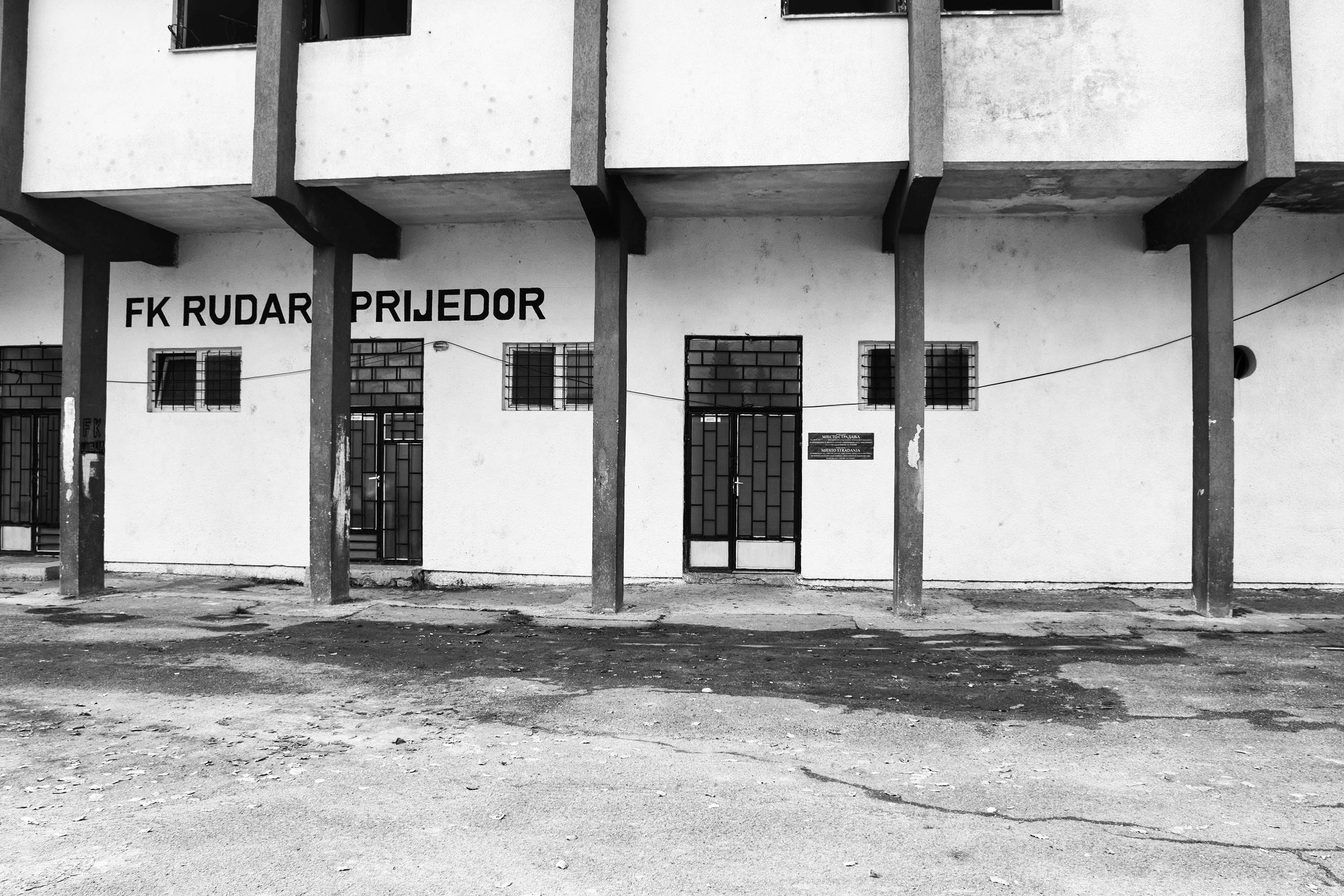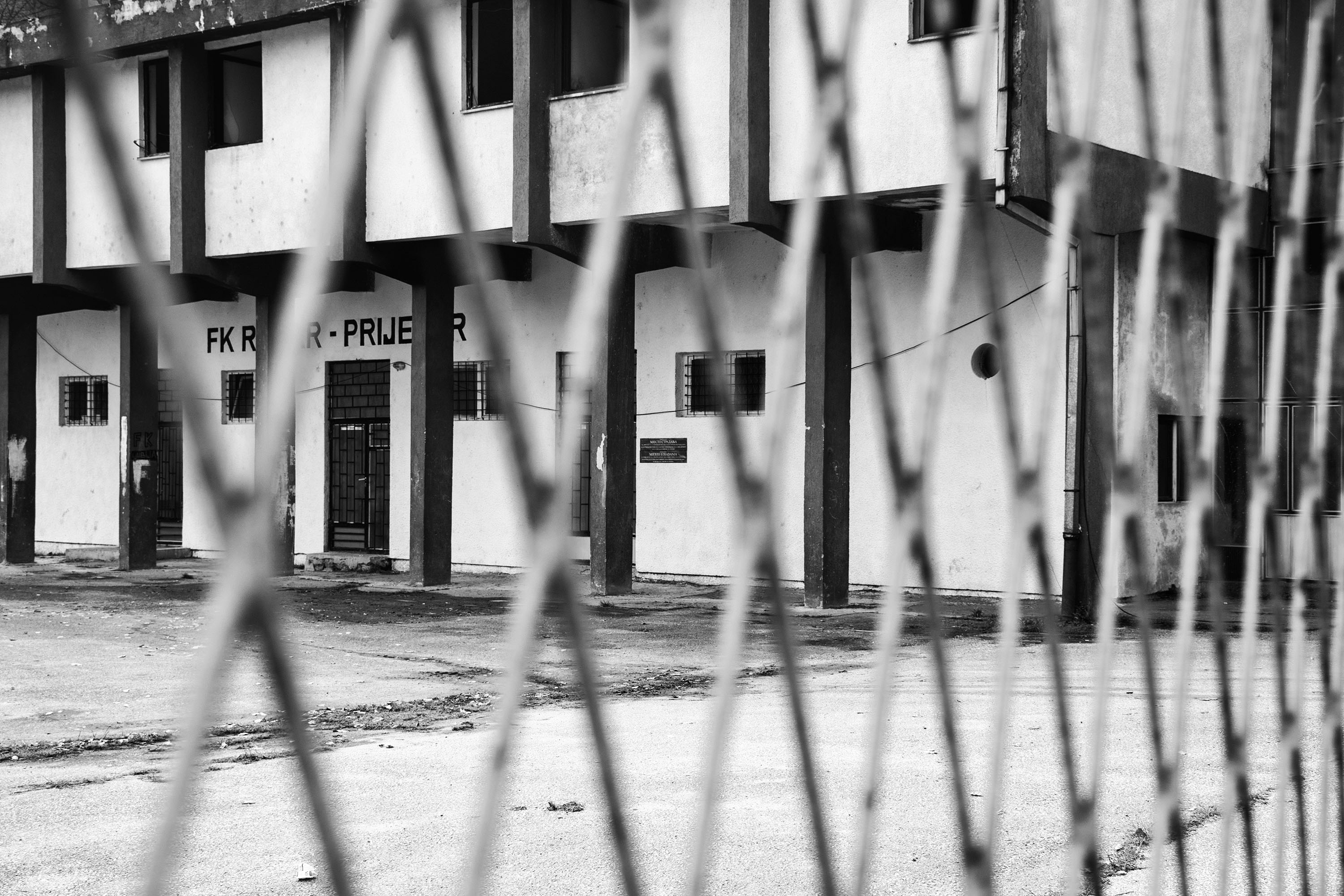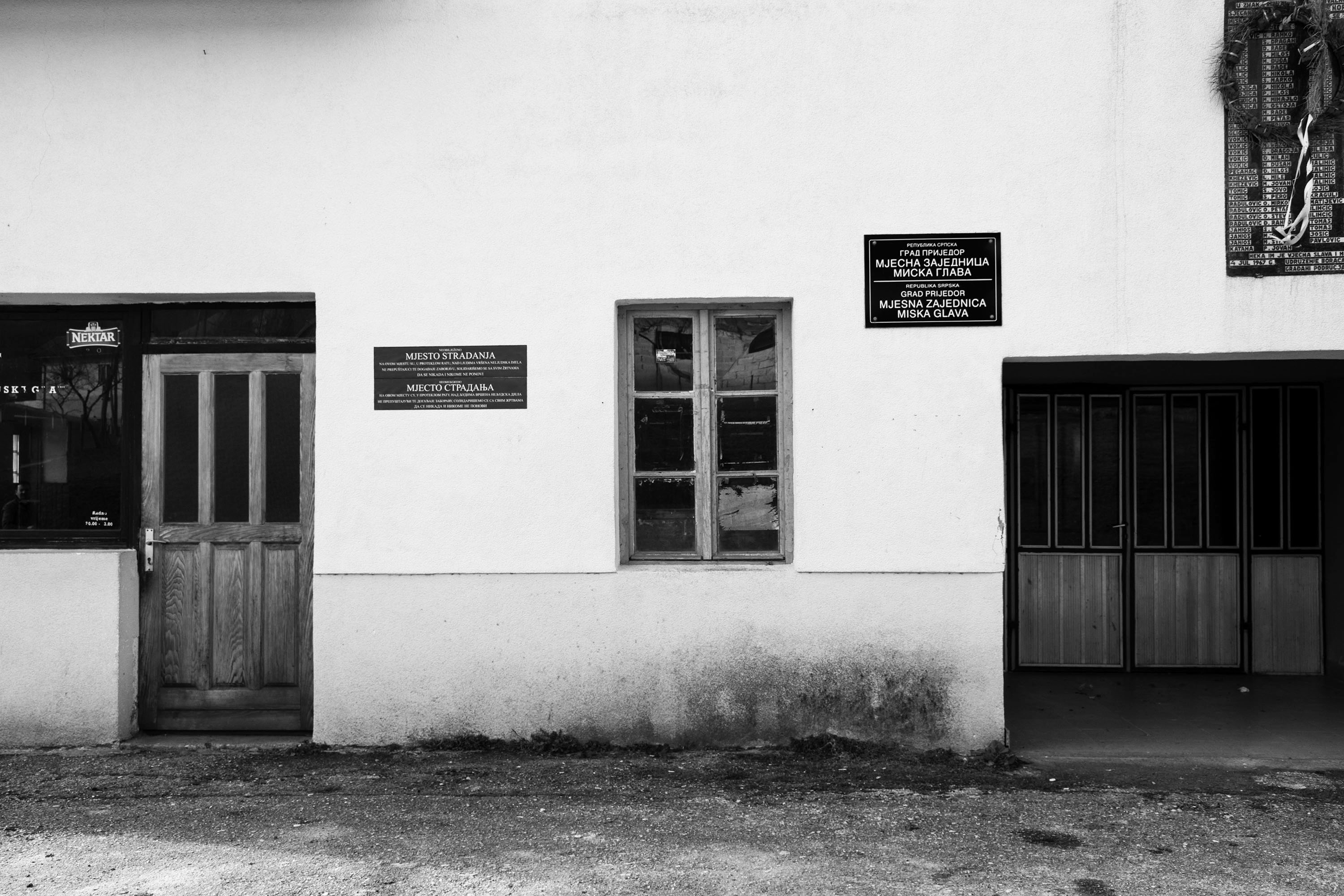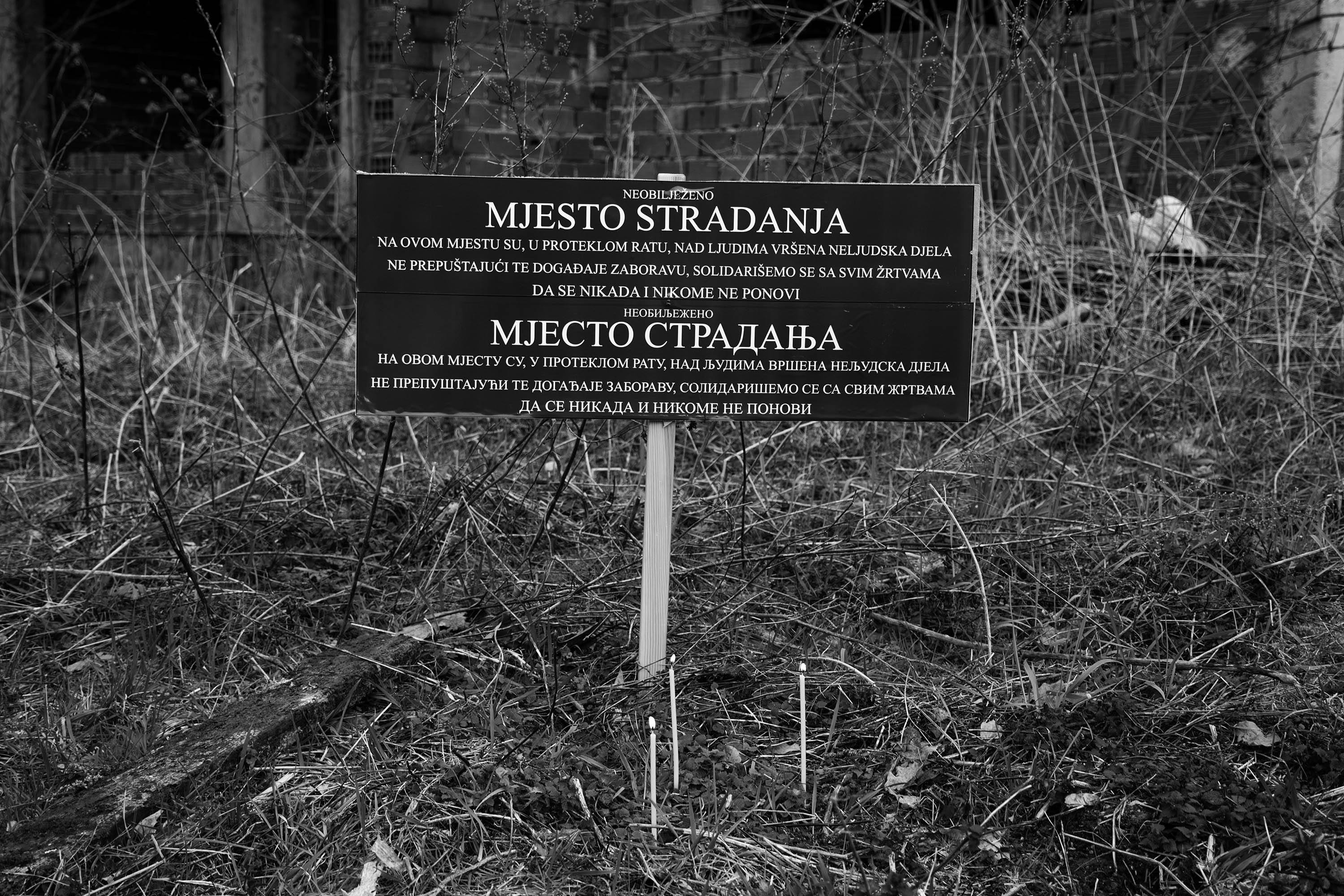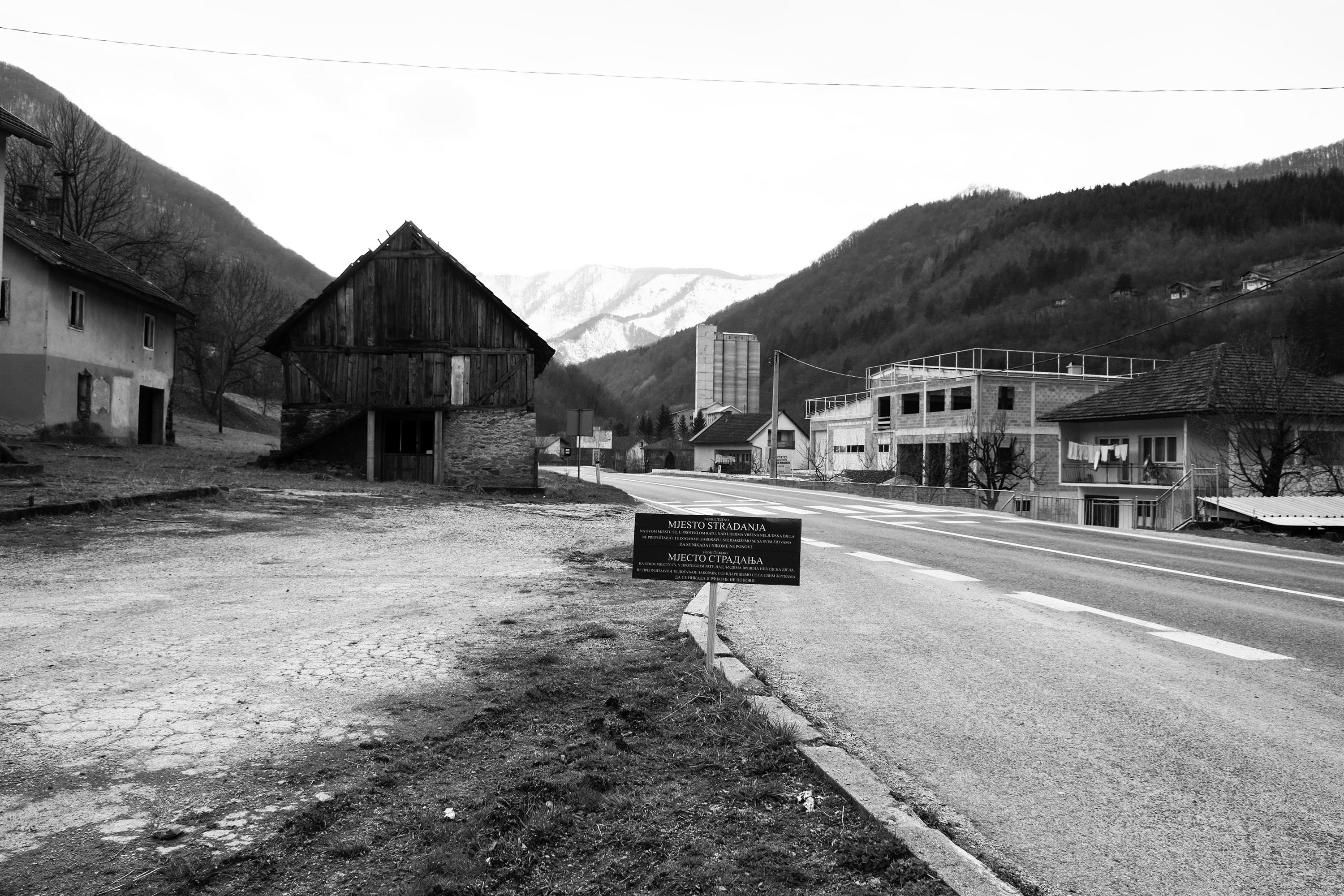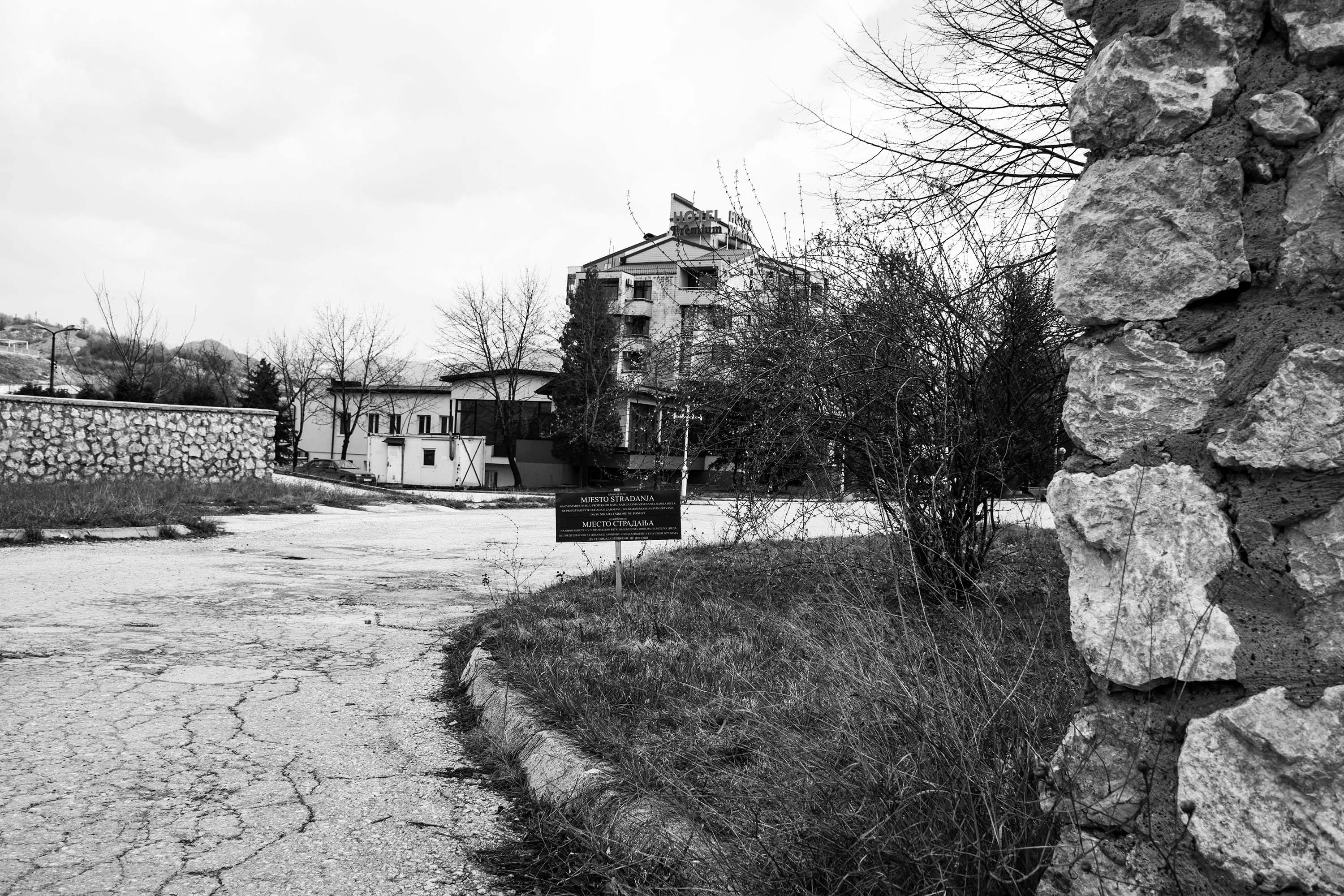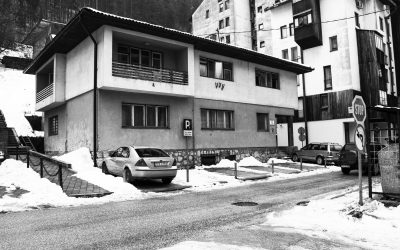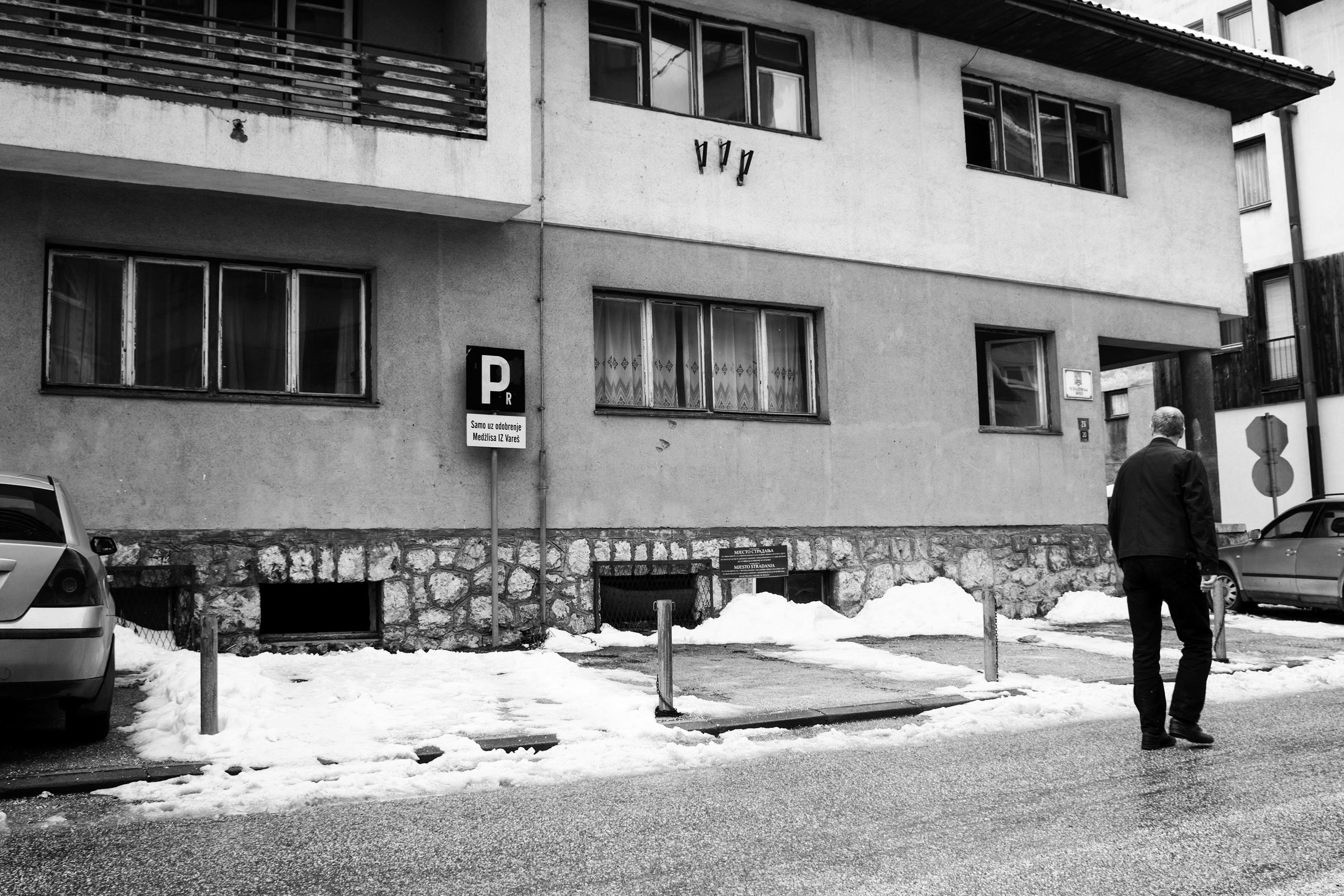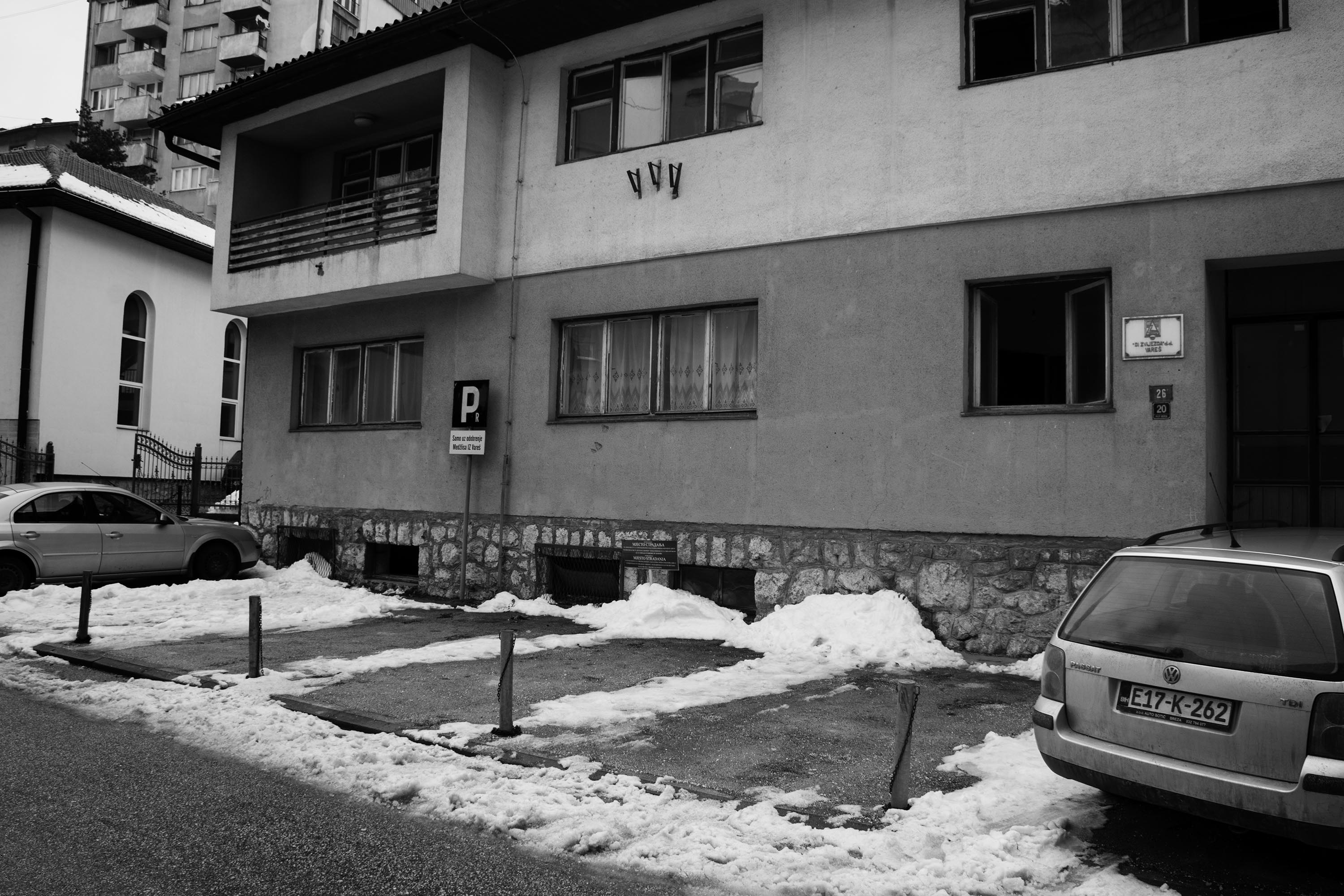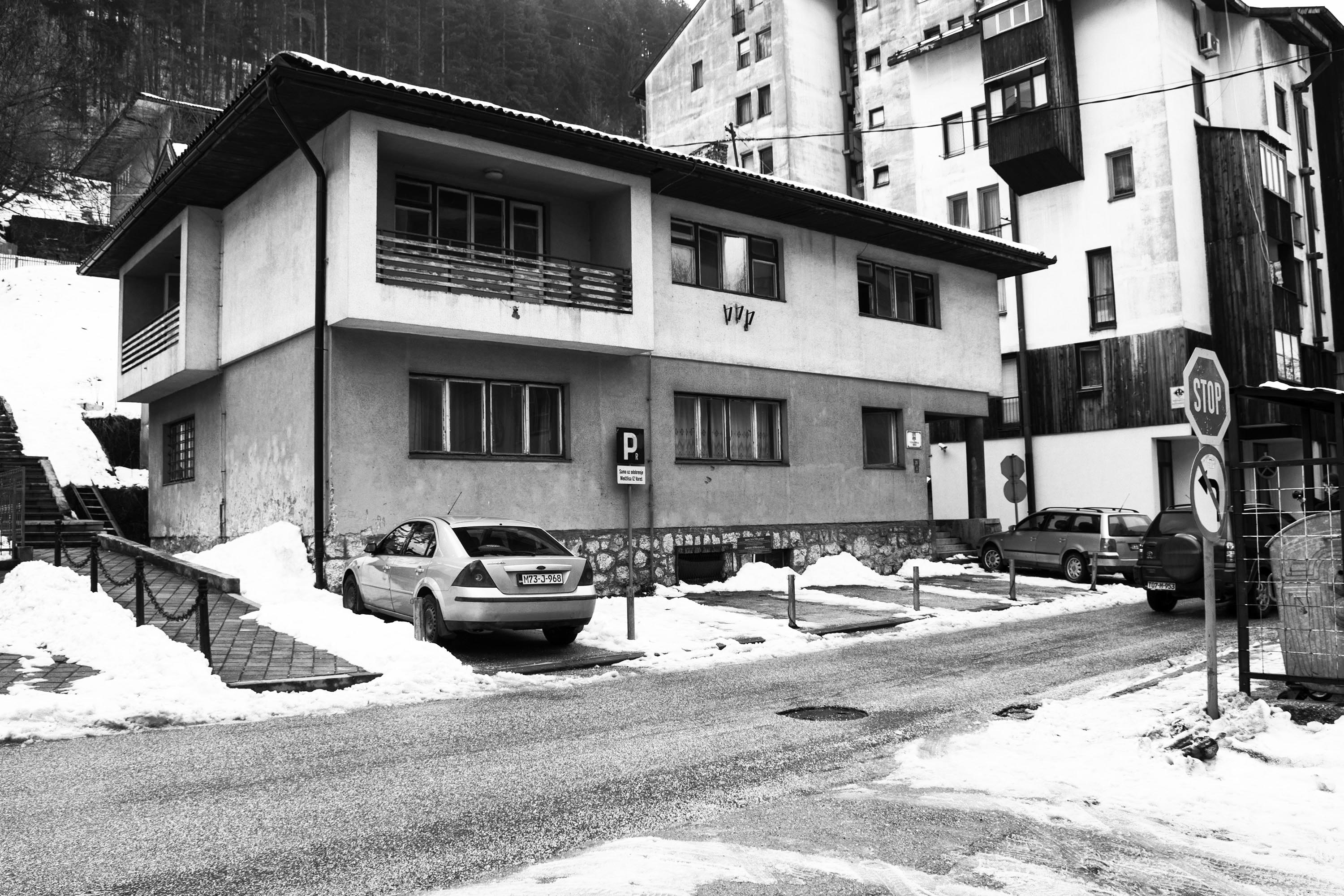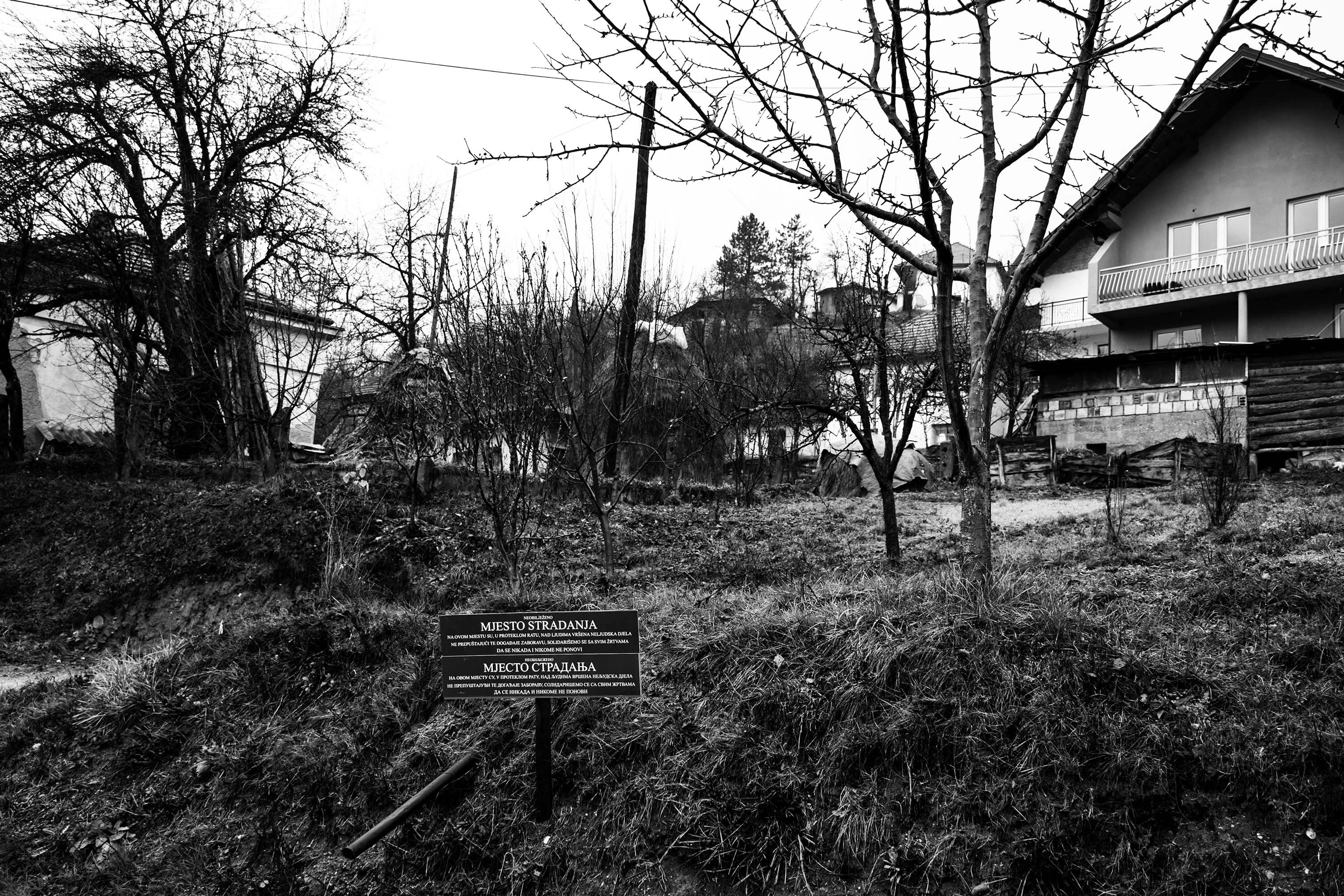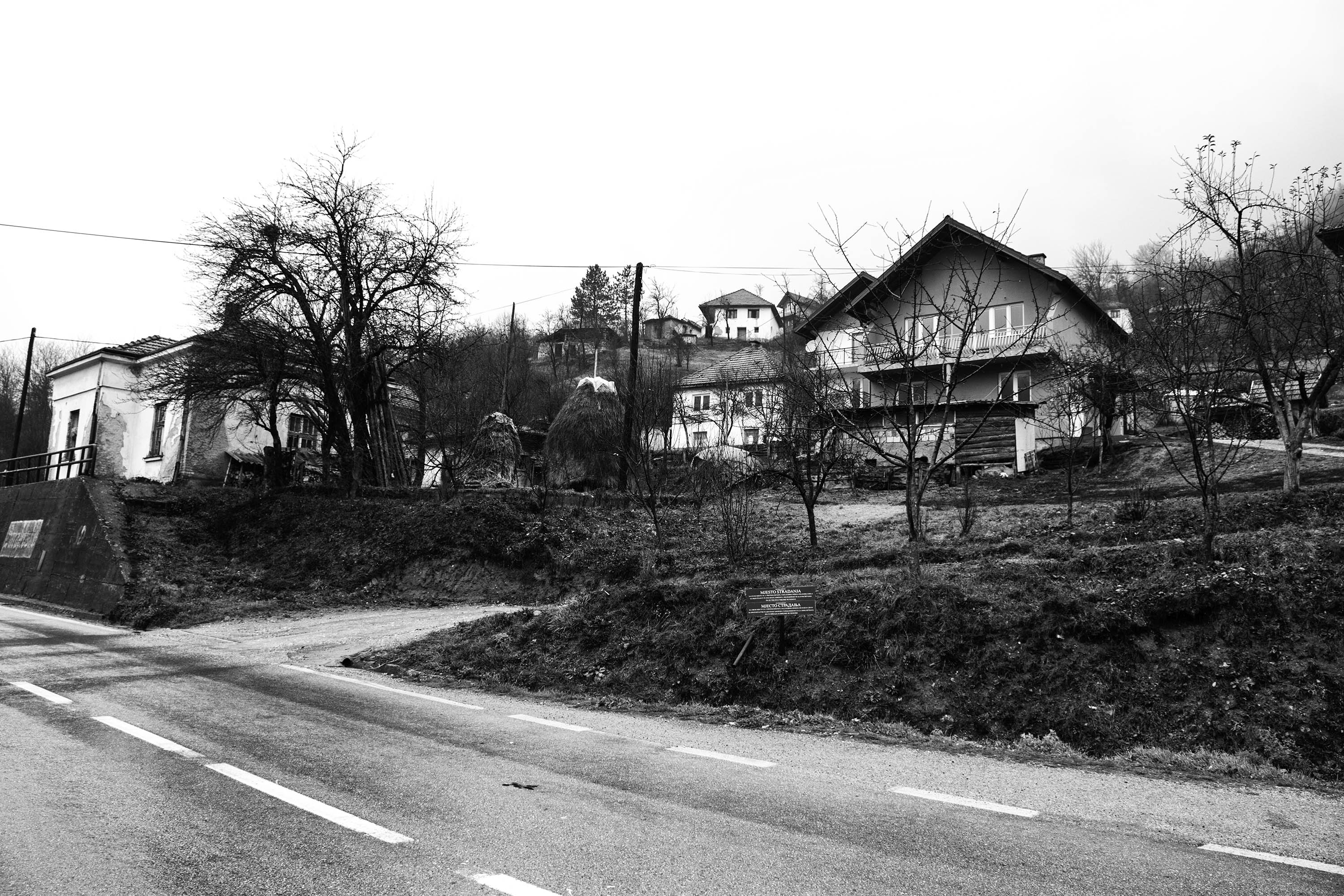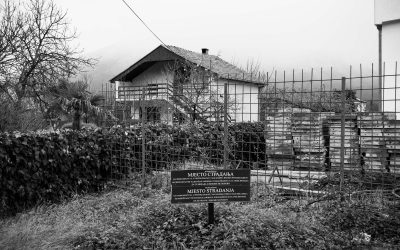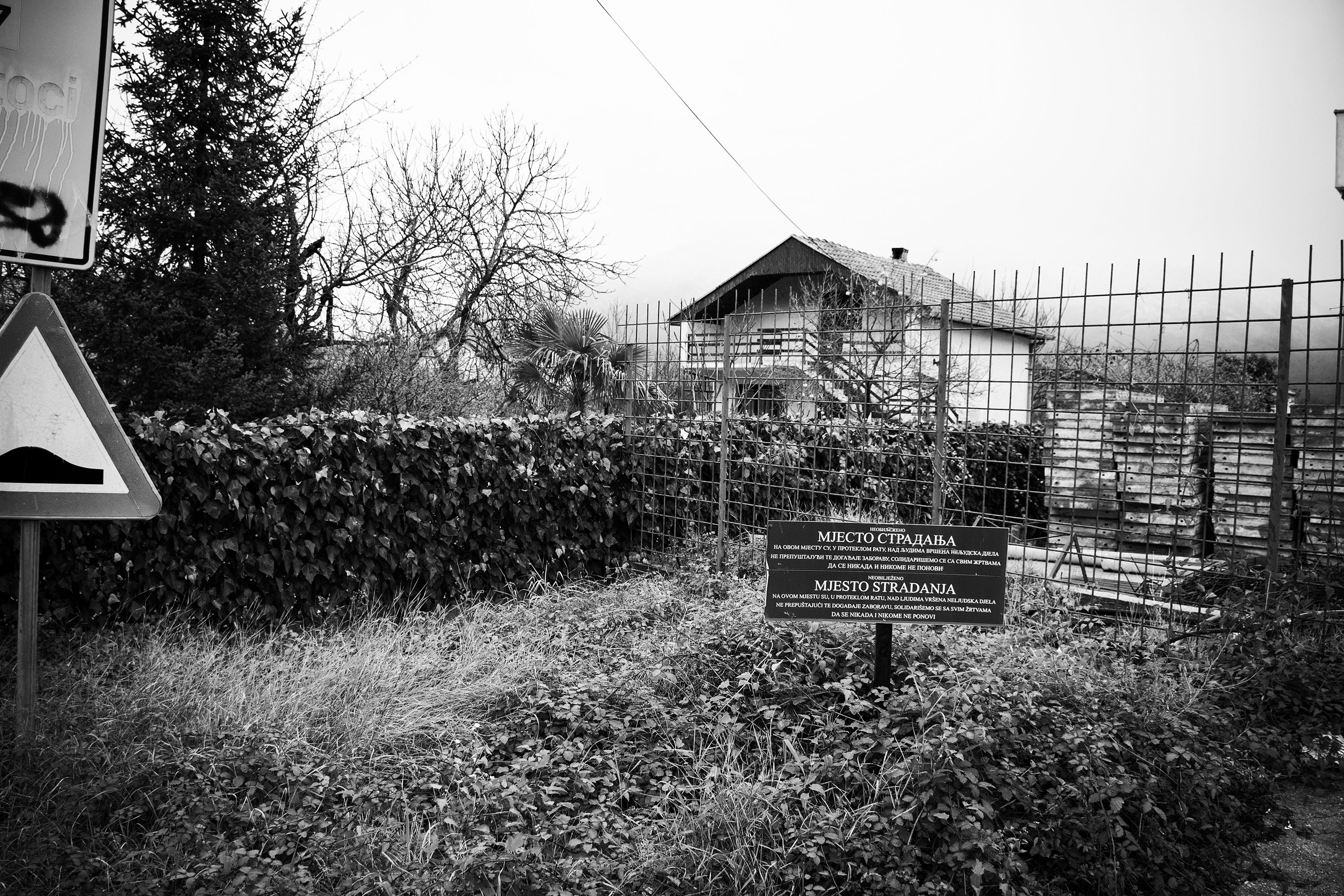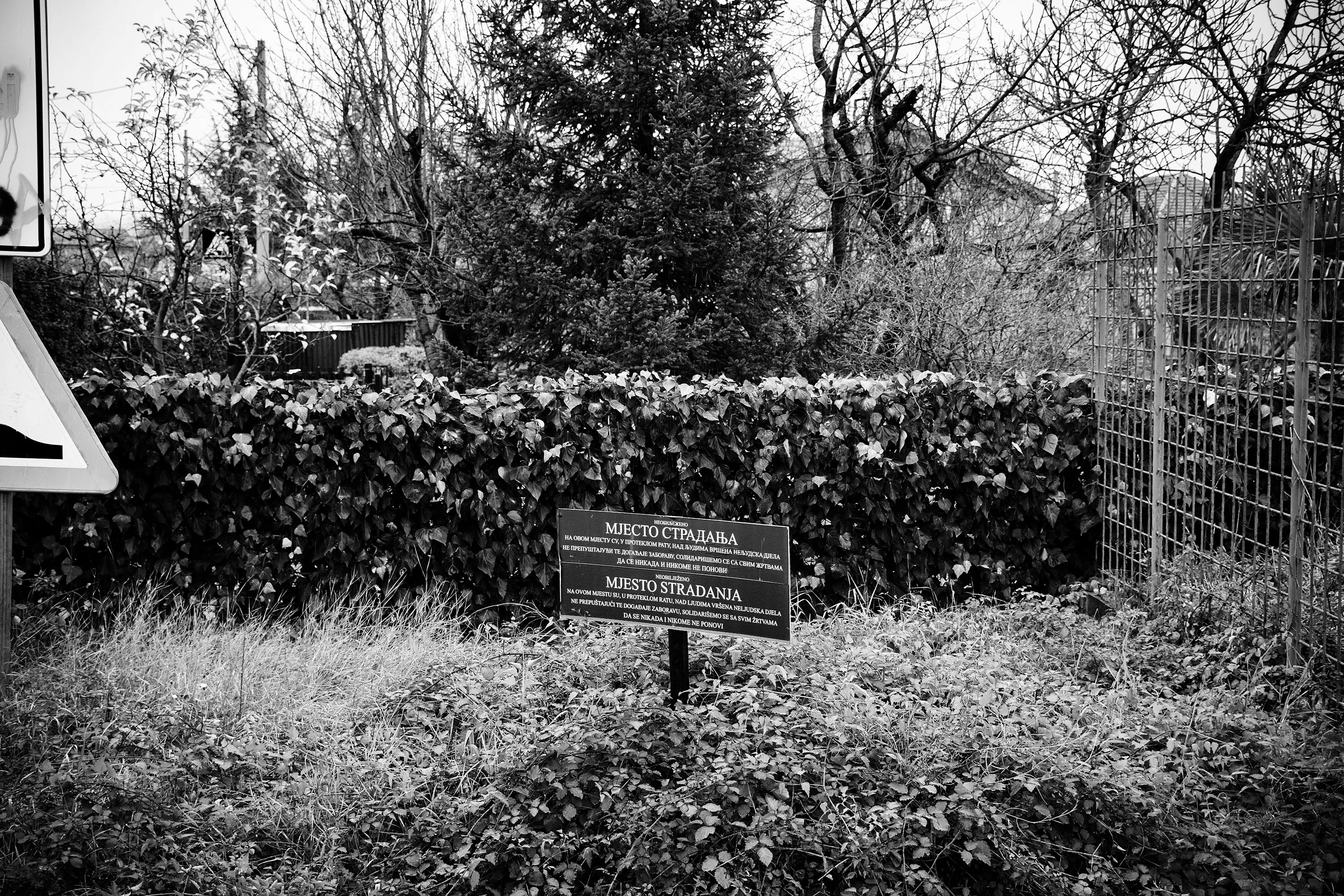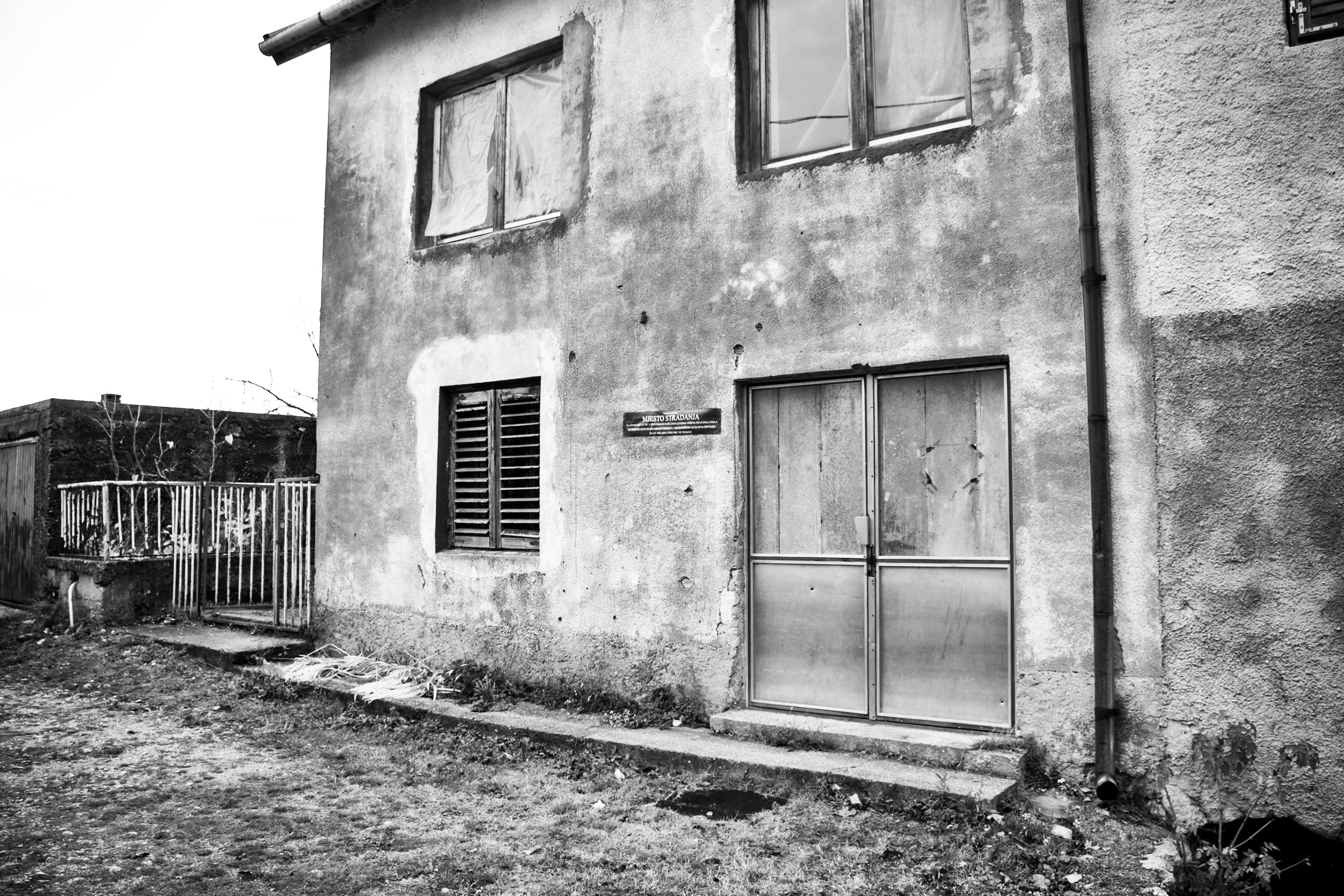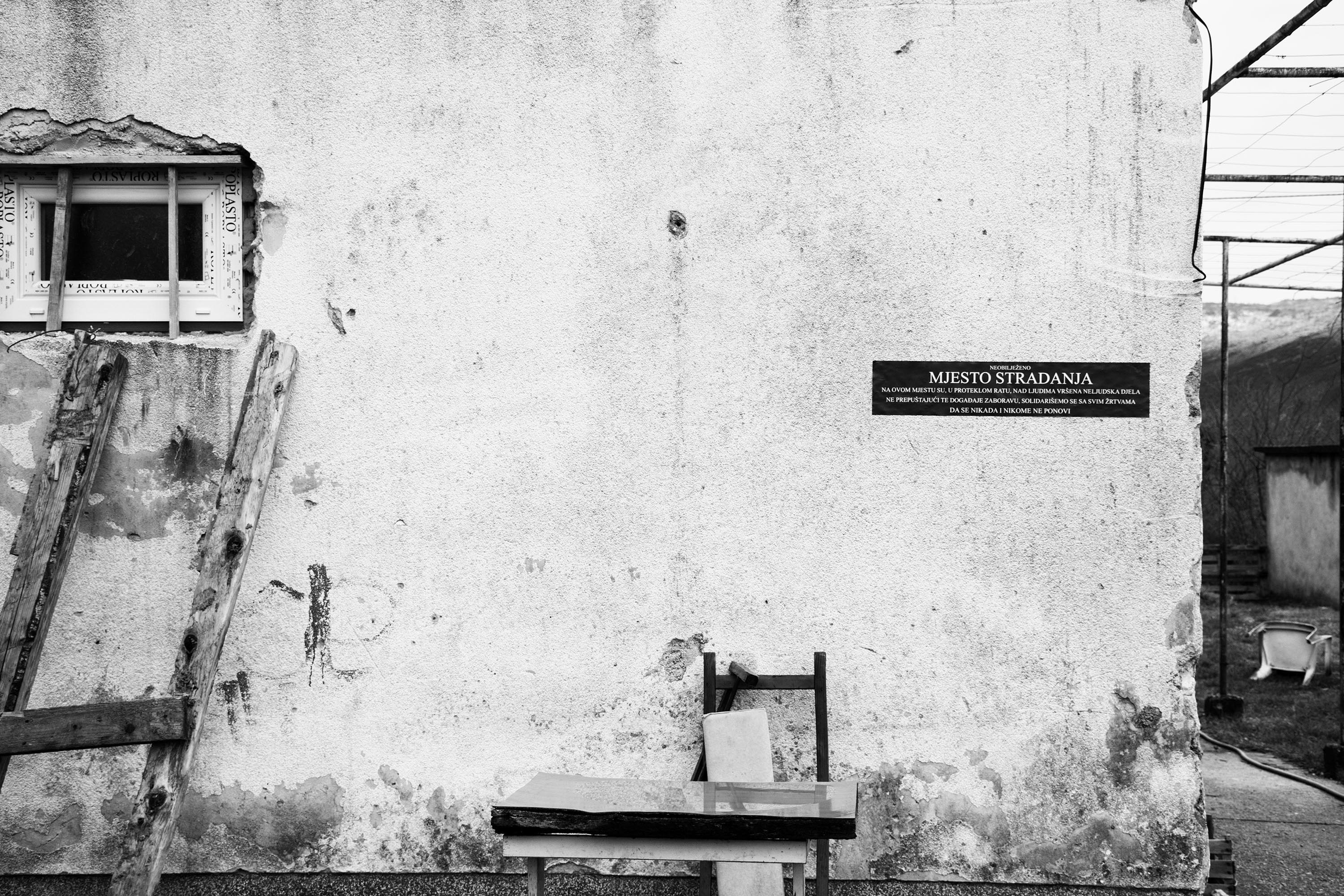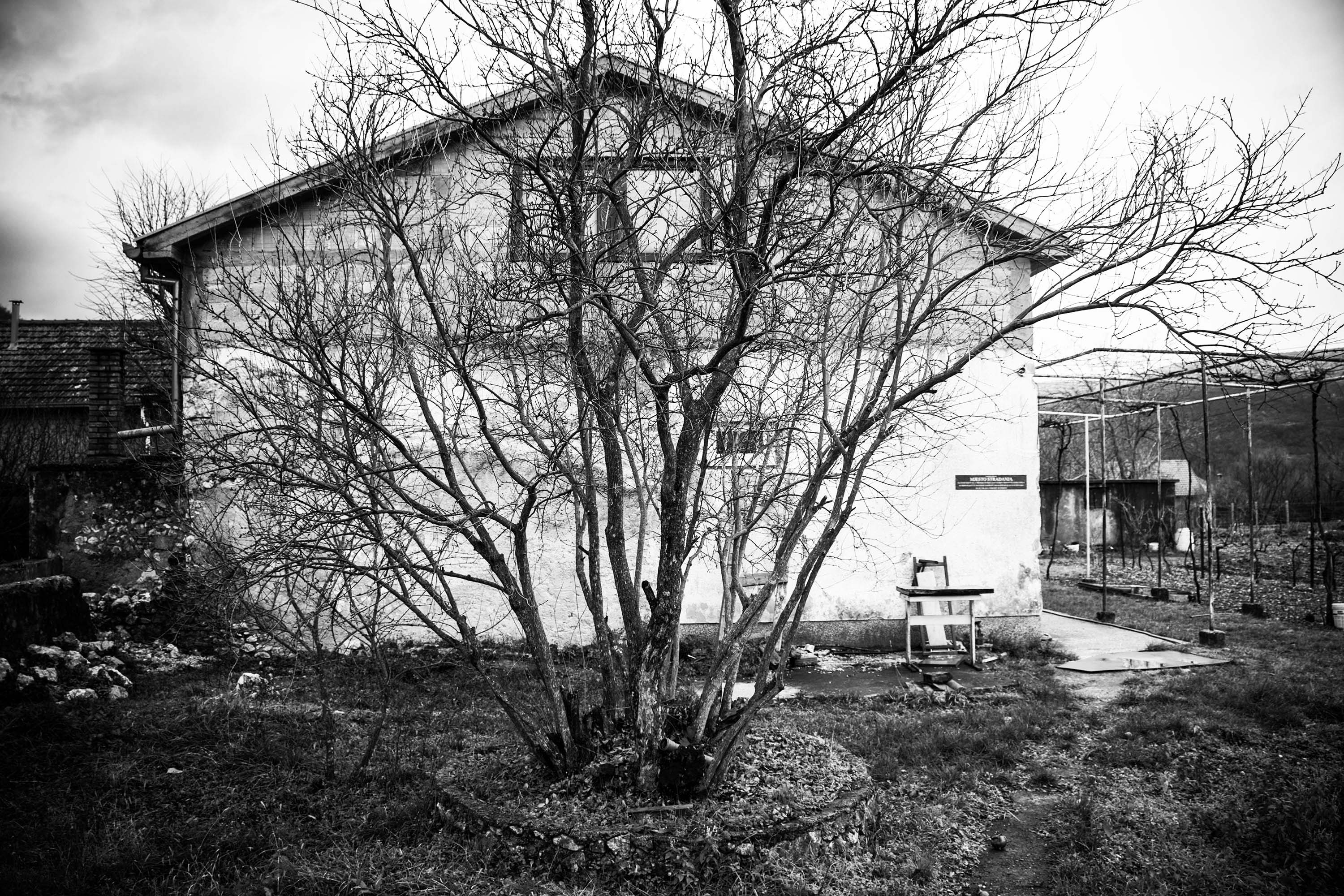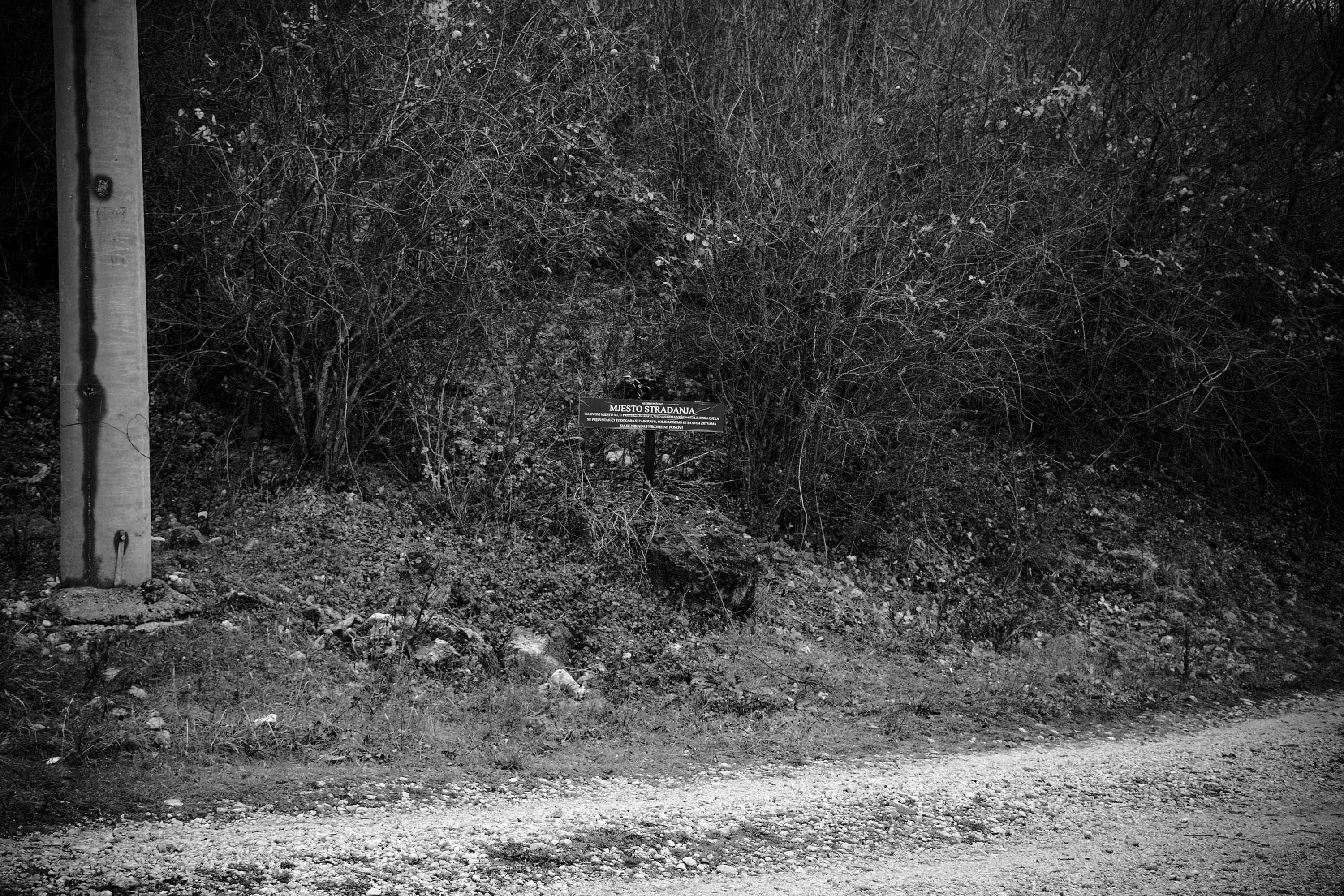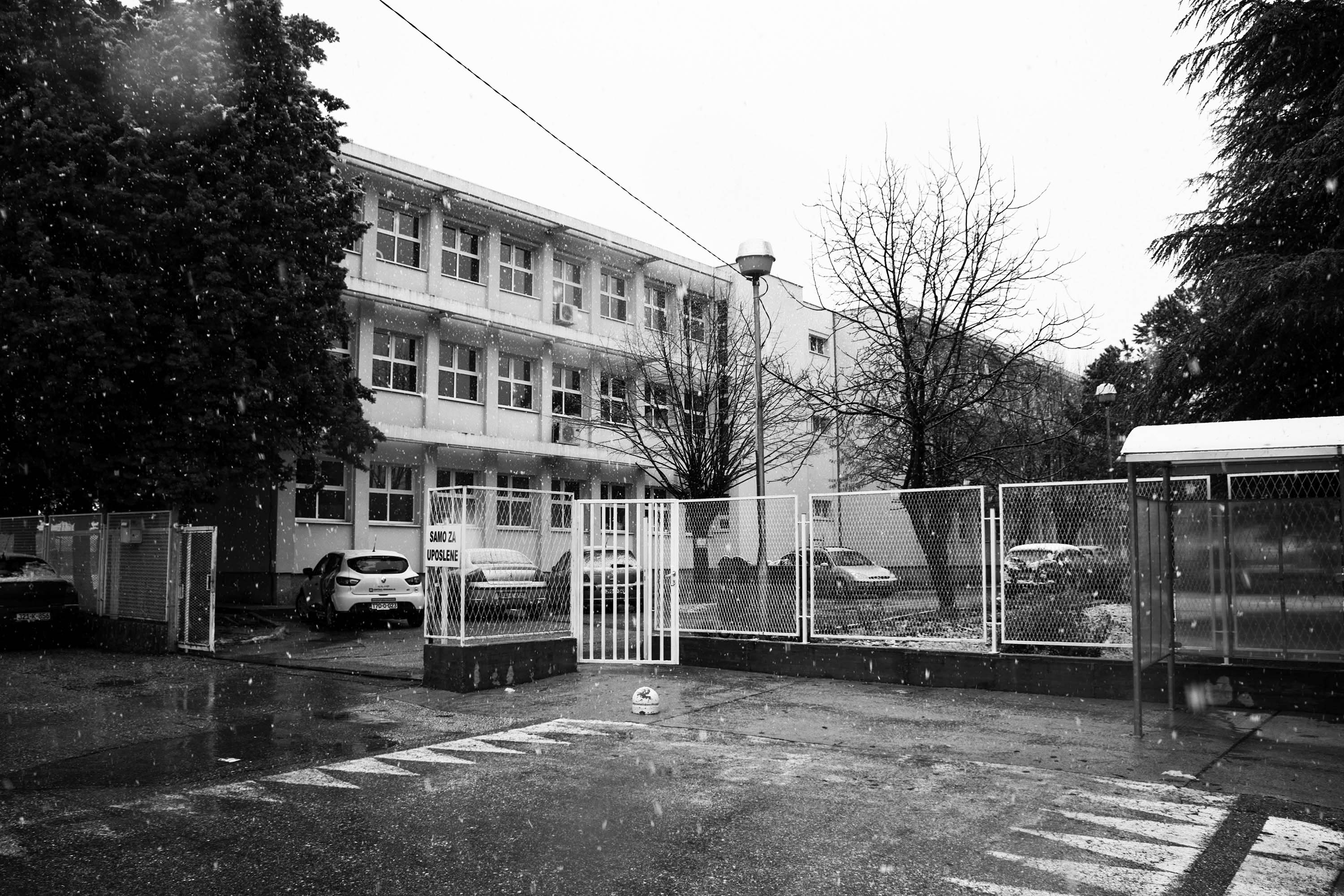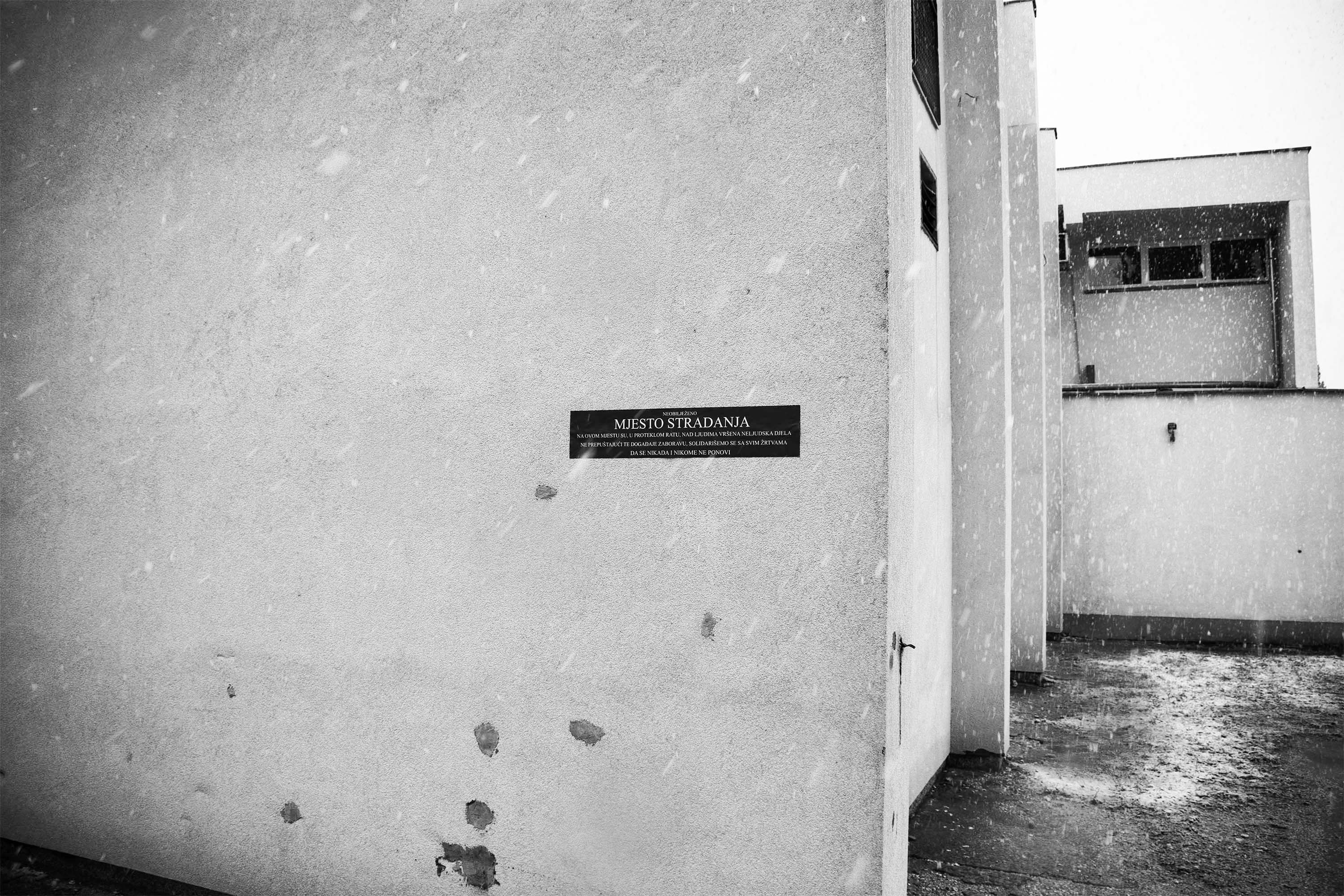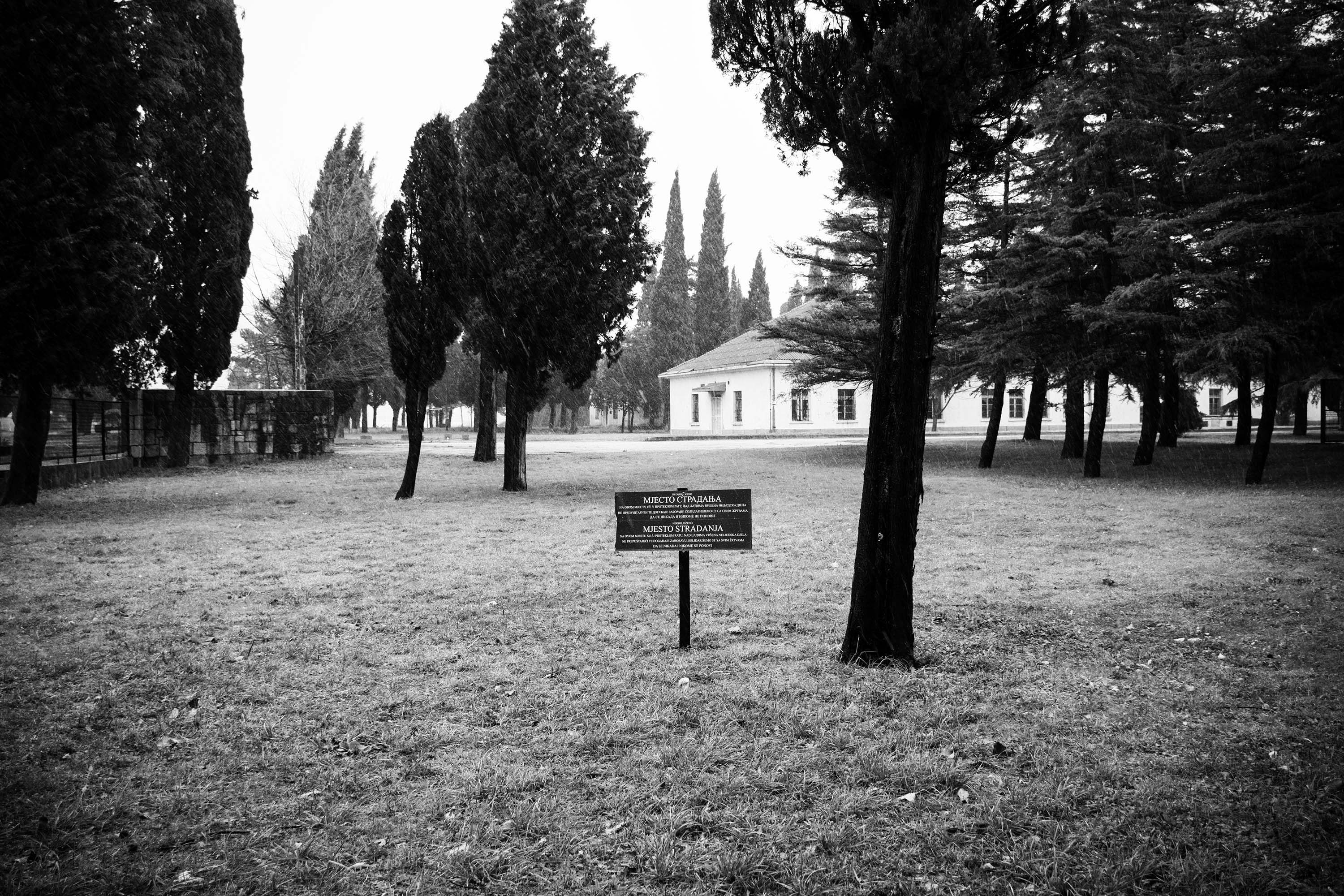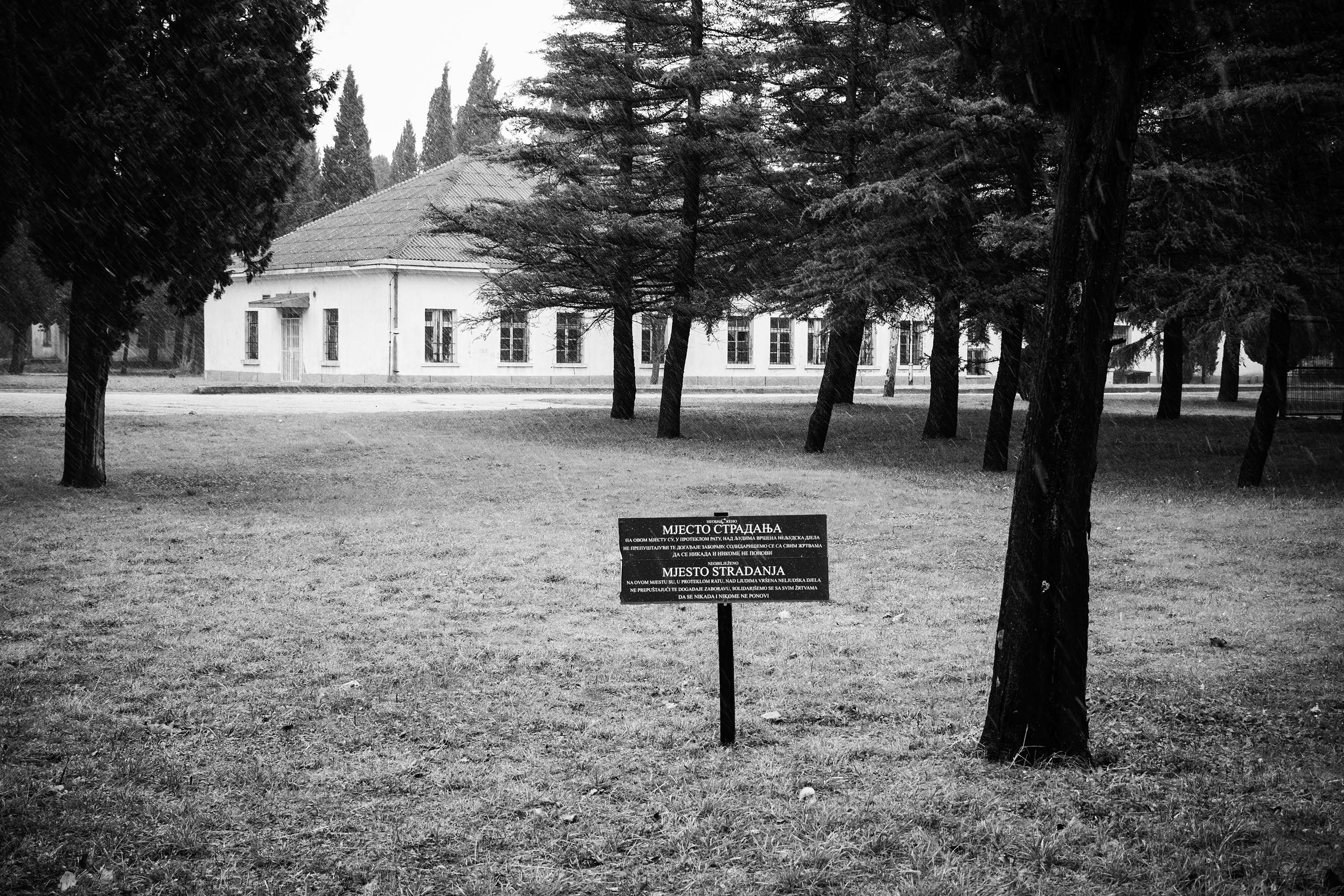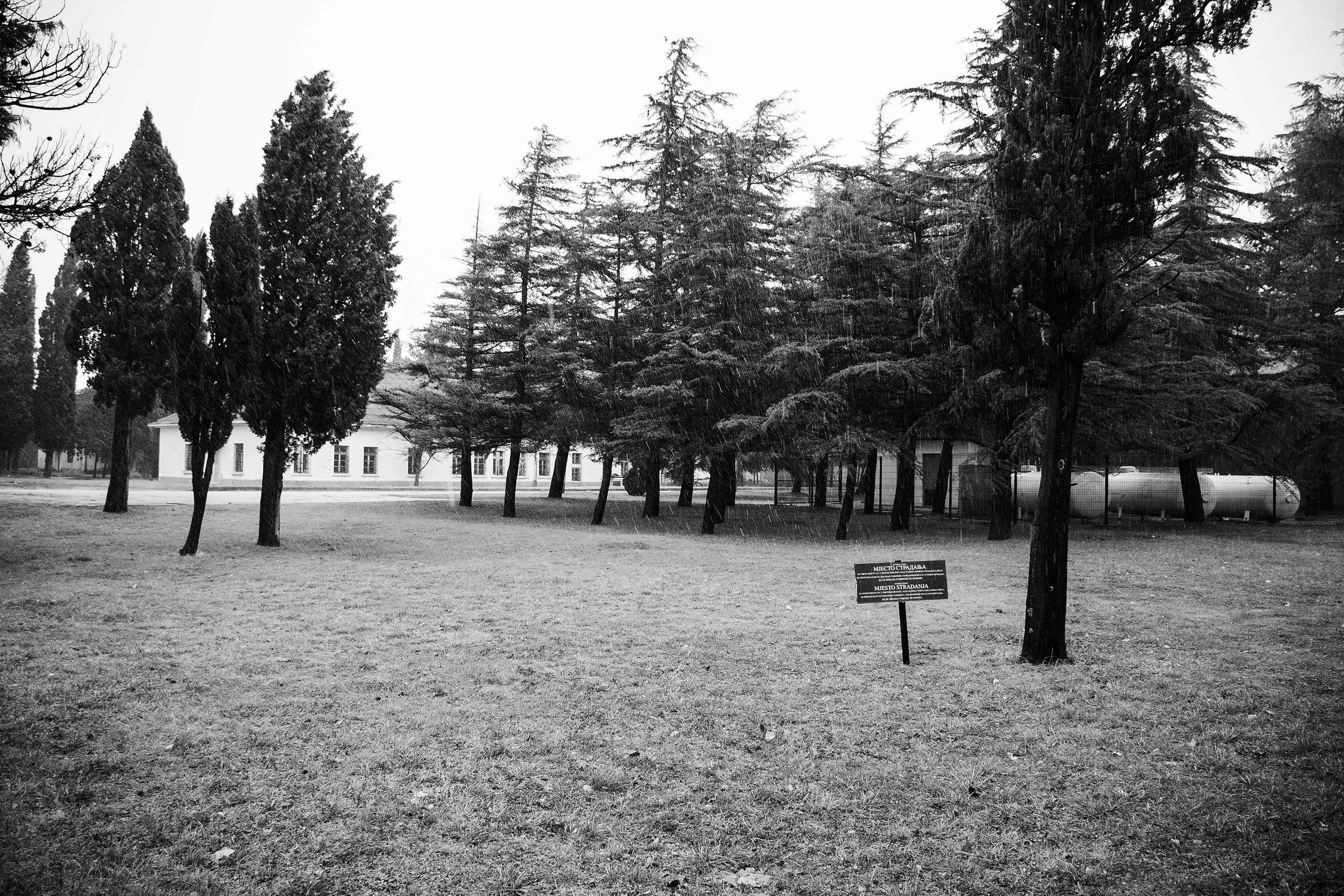
Počulica Social Centre, Vitez

Počulica Social Centre, Vitez

Info

Zanatski centar, Brčko

Location:
Brčko District of BiH

Importance of the locality:

On 7 May 1992, from the police station, which was a site of detention for Bosniaks at the time, member of VRS Goran Jelisić took two civilians, Husein Kršo and Hajrudin Muzurović, to the Zanatski centar Street and killed them. Belgrade photojournalists Bojan Stojanović and Srđan Petrović caught the killing with their cameras and their photographs were used as evidence of this war crime in Brčko before the ICTY. Barbara Matejčić wrote in detail about the murder of Kršo and Muzurović, and the role of photographer Stojanović in these events, in her award-winning investigative article “Ubijanje za fotografiju: Šta se krije iza jedinog snimka smrti u ratu u Jugoslaviji“ [Killing for the Photo: What lies behind the only live photo of death in the war in Yugoslavia]. According to her investigation, there are strong indications that Stojanović and Petrović did not just record the murder as photographers, but took part in it.

Entity:
Brčko district

Ethnic group:
Bosniaks

Area that victims came from:
Brčko

Responsibility:
JNA, MUP RS

Court trials:

The International Criminal Tribunal for the former Yugoslavia (ICTY) convicted Momčilo Krajišnik, the wartime speaker of the National Assembly of Republika Srpska, for war crimes committed in Brčko, under the doctrine of command responsibility, and sentenced him to 20 years in prison. Biljana Plavšić, wartime member of the Presidency of Republika Srpska, was sentenced to 11 years in prison. Radovan Karadžić, as the president of Republika Srpska and commander in chief of its armed forces, was sentenced to life imprisonment. Ranko Češić was sentenced to 18 years in prison, while Goran Jelisić was convicted by the ICTY on 5 July 2001 for crimes committed in the territory of Brčko and sentenced to 40 years in prison. Goran Jelisić pled guilty to five of thirteen murders committed in the vicinity of the Brčko Police Station.

Commemorations:
Since 2023, UDIK has been petitioning the institutions of the Brčko District of BiH for a memorial plaque to be placed at the Zanatski centar. They are still waiting for a reply.

Data source:
ICTY

Marked and photographed:
7.05.2026.

Map:

Updated:
31.07.2026

Legenda

Army of Republic of Bosnia and Hercegovina – ARBiH
Security services command centre – CSB
Herzeg Bosnia – HB
Croat Defense Forces – HOS
Army of Croatia – HV
Croat Defense Council – HVO
Yugoslav National Army – JNA
International Crime Tribunal for Former Yugoslavia – ICTY
Ministry of Interior – MUP
People’s Defense of the Autonomous Province of Western Bosnia – NO APZB
Police station – SJB
Serb Army of Krajina – SVK
Territorial defense of Bosnia-Herzegovina – TO BiH
Army of Republic of Srpska – VRS
Army of Yugoslavia – VJ

Aktualizovano: 26. December 2019
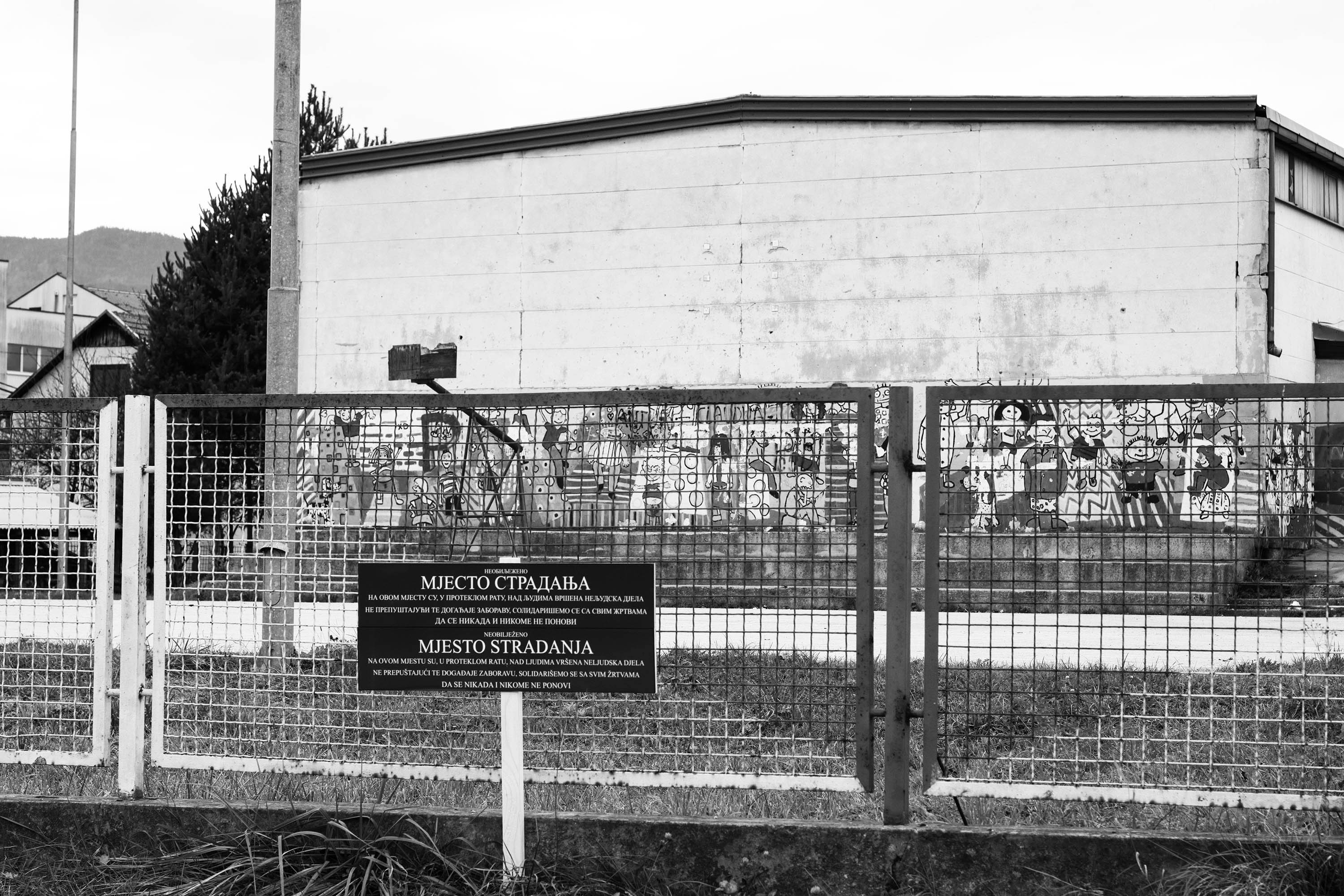
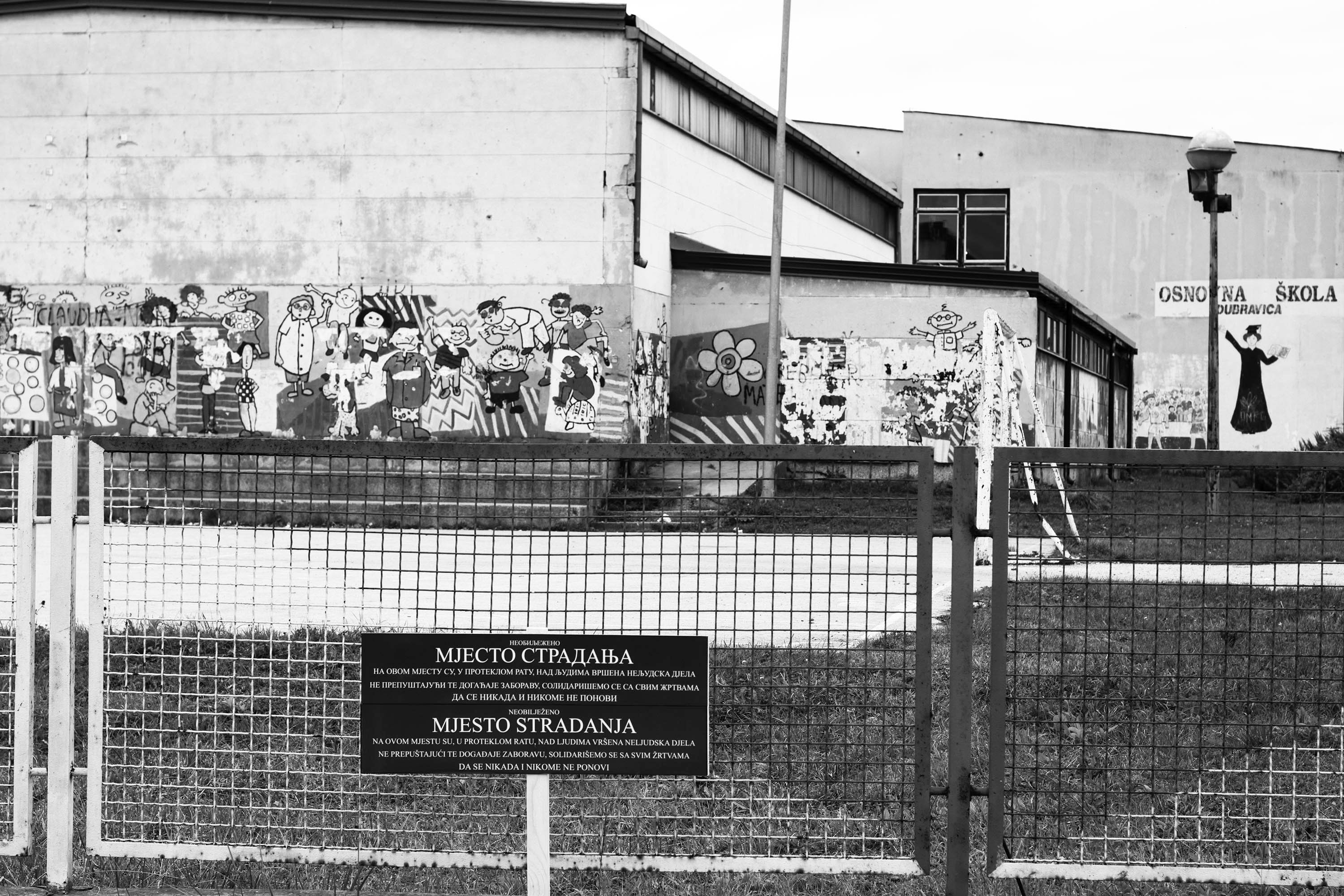
Dubravica Primary School, Vitez

Dubravica Primary School, Vitez

Info

Zanatski centar, Brčko

Location:
Brčko District of BiH

Importance of the locality:

On 7 May 1992, from the police station, which was a site of detention for Bosniaks at the time, member of VRS Goran Jelisić took two civilians, Husein Kršo and Hajrudin Muzurović, to the Zanatski centar Street and killed them. Belgrade photojournalists Bojan Stojanović and Srđan Petrović caught the killing with their cameras and their photographs were used as evidence of this war crime in Brčko before the ICTY. Barbara Matejčić wrote in detail about the murder of Kršo and Muzurović, and the role of photographer Stojanović in these events, in her award-winning investigative article “Ubijanje za fotografiju: Šta se krije iza jedinog snimka smrti u ratu u Jugoslaviji“ [Killing for the Photo: What lies behind the only live photo of death in the war in Yugoslavia]. According to her investigation, there are strong indications that Stojanović and Petrović did not just record the murder as photographers, but took part in it.

Entity:
Brčko district

Ethnic group:
Bosniaks

Area that victims came from:
Brčko

Responsibility:
JNA, MUP RS

Court trials:

The International Criminal Tribunal for the former Yugoslavia (ICTY) convicted Momčilo Krajišnik, the wartime speaker of the National Assembly of Republika Srpska, for war crimes committed in Brčko, under the doctrine of command responsibility, and sentenced him to 20 years in prison. Biljana Plavšić, wartime member of the Presidency of Republika Srpska, was sentenced to 11 years in prison. Radovan Karadžić, as the president of Republika Srpska and commander in chief of its armed forces, was sentenced to life imprisonment. Ranko Češić was sentenced to 18 years in prison, while Goran Jelisić was convicted by the ICTY on 5 July 2001 for crimes committed in the territory of Brčko and sentenced to 40 years in prison. Goran Jelisić pled guilty to five of thirteen murders committed in the vicinity of the Brčko Police Station.

Commemorations:
Since 2023, UDIK has been petitioning the institutions of the Brčko District of BiH for a memorial plaque to be placed at the Zanatski centar. They are still waiting for a reply.

Data source:
ICTY

Marked and photographed:
7.05.2026.

Map:

Updated:
31.07.2026

Legenda

Army of Republic of Bosnia and Hercegovina – ARBiH
Security services command centre – CSB
Herzeg Bosnia – HB
Croat Defense Forces – HOS
Army of Croatia – HV
Croat Defense Council – HVO
Yugoslav National Army – JNA
International Crime Tribunal for Former Yugoslavia – ICTY
Ministry of Interior – MUP
People’s Defense of the Autonomous Province of Western Bosnia – NO APZB
Police station – SJB
Serb Army of Krajina – SVK
Territorial defense of Bosnia-Herzegovina – TO BiH
Army of Republic of Srpska – VRS
Army of Yugoslavia – VJ

Aktualizovano: 26. December 2019
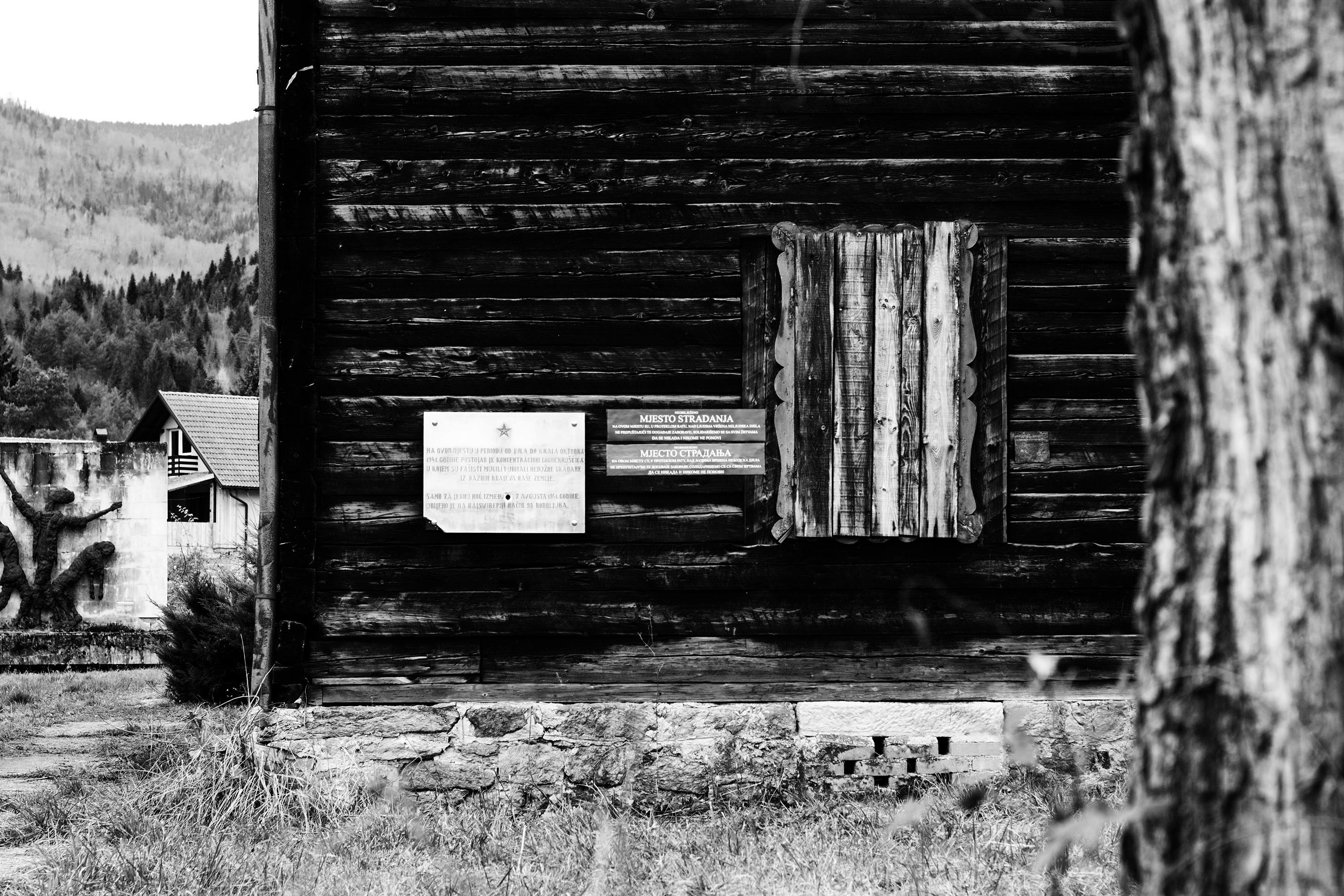
Black House, Vitez

Black House, Vitez

Info

Zanatski centar, Brčko

Location:
Brčko District of BiH

Importance of the locality:

On 7 May 1992, from the police station, which was a site of detention for Bosniaks at the time, member of VRS Goran Jelisić took two civilians, Husein Kršo and Hajrudin Muzurović, to the Zanatski centar Street and killed them. Belgrade photojournalists Bojan Stojanović and Srđan Petrović caught the killing with their cameras and their photographs were used as evidence of this war crime in Brčko before the ICTY. Barbara Matejčić wrote in detail about the murder of Kršo and Muzurović, and the role of photographer Stojanović in these events, in her award-winning investigative article “Ubijanje za fotografiju: Šta se krije iza jedinog snimka smrti u ratu u Jugoslaviji“ [Killing for the Photo: What lies behind the only live photo of death in the war in Yugoslavia]. According to her investigation, there are strong indications that Stojanović and Petrović did not just record the murder as photographers, but took part in it.

Entity:
Brčko district

Ethnic group:
Bosniaks

Area that victims came from:
Brčko

Responsibility:
JNA, MUP RS

Court trials:

The International Criminal Tribunal for the former Yugoslavia (ICTY) convicted Momčilo Krajišnik, the wartime speaker of the National Assembly of Republika Srpska, for war crimes committed in Brčko, under the doctrine of command responsibility, and sentenced him to 20 years in prison. Biljana Plavšić, wartime member of the Presidency of Republika Srpska, was sentenced to 11 years in prison. Radovan Karadžić, as the president of Republika Srpska and commander in chief of its armed forces, was sentenced to life imprisonment. Ranko Češić was sentenced to 18 years in prison, while Goran Jelisić was convicted by the ICTY on 5 July 2001 for crimes committed in the territory of Brčko and sentenced to 40 years in prison. Goran Jelisić pled guilty to five of thirteen murders committed in the vicinity of the Brčko Police Station.

Commemorations:
Since 2023, UDIK has been petitioning the institutions of the Brčko District of BiH for a memorial plaque to be placed at the Zanatski centar. They are still waiting for a reply.

Data source:
ICTY

Marked and photographed:
7.05.2026.

Map:

Updated:
31.07.2026

Legenda

Army of Republic of Bosnia and Hercegovina – ARBiH
Security services command centre – CSB
Herzeg Bosnia – HB
Croat Defense Forces – HOS
Army of Croatia – HV
Croat Defense Council – HVO
Yugoslav National Army – JNA
International Crime Tribunal for Former Yugoslavia – ICTY
Ministry of Interior – MUP
People’s Defense of the Autonomous Province of Western Bosnia – NO APZB
Police station – SJB
Serb Army of Krajina – SVK
Territorial defense of Bosnia-Herzegovina – TO BiH
Army of Republic of Srpska – VRS
Army of Yugoslavia – VJ

Aktualizovano: 26. December 2019
Culture Centre in Vitez

Culture Centre in Vitez

Info

Zanatski centar, Brčko

Location:
Brčko District of BiH

Importance of the locality:

On 7 May 1992, from the police station, which was a site of detention for Bosniaks at the time, member of VRS Goran Jelisić took two civilians, Husein Kršo and Hajrudin Muzurović, to the Zanatski centar Street and killed them. Belgrade photojournalists Bojan Stojanović and Srđan Petrović caught the killing with their cameras and their photographs were used as evidence of this war crime in Brčko before the ICTY. Barbara Matejčić wrote in detail about the murder of Kršo and Muzurović, and the role of photographer Stojanović in these events, in her award-winning investigative article “Ubijanje za fotografiju: Šta se krije iza jedinog snimka smrti u ratu u Jugoslaviji“ [Killing for the Photo: What lies behind the only live photo of death in the war in Yugoslavia]. According to her investigation, there are strong indications that Stojanović and Petrović did not just record the murder as photographers, but took part in it.

Entity:
Brčko district

Ethnic group:
Bosniaks

Area that victims came from:
Brčko

Responsibility:
JNA, MUP RS

Court trials:

The International Criminal Tribunal for the former Yugoslavia (ICTY) convicted Momčilo Krajišnik, the wartime speaker of the National Assembly of Republika Srpska, for war crimes committed in Brčko, under the doctrine of command responsibility, and sentenced him to 20 years in prison. Biljana Plavšić, wartime member of the Presidency of Republika Srpska, was sentenced to 11 years in prison. Radovan Karadžić, as the president of Republika Srpska and commander in chief of its armed forces, was sentenced to life imprisonment. Ranko Češić was sentenced to 18 years in prison, while Goran Jelisić was convicted by the ICTY on 5 July 2001 for crimes committed in the territory of Brčko and sentenced to 40 years in prison. Goran Jelisić pled guilty to five of thirteen murders committed in the vicinity of the Brčko Police Station.

Commemorations:
Since 2023, UDIK has been petitioning the institutions of the Brčko District of BiH for a memorial plaque to be placed at the Zanatski centar. They are still waiting for a reply.

Data source:
ICTY

Marked and photographed:
7.05.2026.

Map:

Updated:
31.07.2026

Legenda

Army of Republic of Bosnia and Hercegovina – ARBiH
Security services command centre – CSB
Herzeg Bosnia – HB
Croat Defense Forces – HOS
Army of Croatia – HV
Croat Defense Council – HVO
Yugoslav National Army – JNA
International Crime Tribunal for Former Yugoslavia – ICTY
Ministry of Interior – MUP
People’s Defense of the Autonomous Province of Western Bosnia – NO APZB
Police station – SJB
Serb Army of Krajina – SVK
Territorial defense of Bosnia-Herzegovina – TO BiH
Army of Republic of Srpska – VRS
Army of Yugoslavia – VJ

Aktualizovano: 26. December 2019
Korićanske stijene, Kneževo

Korićanske stijene, Kneževo

Info

Zanatski centar, Brčko

Location:
Brčko District of BiH

Importance of the locality:

On 7 May 1992, from the police station, which was a site of detention for Bosniaks at the time, member of VRS Goran Jelisić took two civilians, Husein Kršo and Hajrudin Muzurović, to the Zanatski centar Street and killed them. Belgrade photojournalists Bojan Stojanović and Srđan Petrović caught the killing with their cameras and their photographs were used as evidence of this war crime in Brčko before the ICTY. Barbara Matejčić wrote in detail about the murder of Kršo and Muzurović, and the role of photographer Stojanović in these events, in her award-winning investigative article “Ubijanje za fotografiju: Šta se krije iza jedinog snimka smrti u ratu u Jugoslaviji“ [Killing for the Photo: What lies behind the only live photo of death in the war in Yugoslavia]. According to her investigation, there are strong indications that Stojanović and Petrović did not just record the murder as photographers, but took part in it.

Entity:
Brčko district

Ethnic group:
Bosniaks

Area that victims came from:
Brčko

Responsibility:
JNA, MUP RS

Court trials:

The International Criminal Tribunal for the former Yugoslavia (ICTY) convicted Momčilo Krajišnik, the wartime speaker of the National Assembly of Republika Srpska, for war crimes committed in Brčko, under the doctrine of command responsibility, and sentenced him to 20 years in prison. Biljana Plavšić, wartime member of the Presidency of Republika Srpska, was sentenced to 11 years in prison. Radovan Karadžić, as the president of Republika Srpska and commander in chief of its armed forces, was sentenced to life imprisonment. Ranko Češić was sentenced to 18 years in prison, while Goran Jelisić was convicted by the ICTY on 5 July 2001 for crimes committed in the territory of Brčko and sentenced to 40 years in prison. Goran Jelisić pled guilty to five of thirteen murders committed in the vicinity of the Brčko Police Station.

Commemorations:
Since 2023, UDIK has been petitioning the institutions of the Brčko District of BiH for a memorial plaque to be placed at the Zanatski centar. They are still waiting for a reply.

Data source:
ICTY

Marked and photographed:
7.05.2026.

Map:

Updated:
31.07.2026

Legenda

Army of Republic of Bosnia and Hercegovina – ARBiH
Security services command centre – CSB
Herzeg Bosnia – HB
Croat Defense Forces – HOS
Army of Croatia – HV
Croat Defense Council – HVO
Yugoslav National Army – JNA
International Crime Tribunal for Former Yugoslavia – ICTY
Ministry of Interior – MUP
People’s Defense of the Autonomous Province of Western Bosnia – NO APZB
Police station – SJB
Serb Army of Krajina – SVK
Territorial defense of Bosnia-Herzegovina – TO BiH
Army of Republic of Srpska – VRS
Army of Yugoslavia – VJ

Aktualizovano: 26. December 2019
Redak 1 and Redak 2, Kipe, Prijedor

Redak 1 and Redak 2, Kipe, Prijedor

Info

Zanatski centar, Brčko

Location:
Brčko District of BiH

Importance of the locality:

On 7 May 1992, from the police station, which was a site of detention for Bosniaks at the time, member of VRS Goran Jelisić took two civilians, Husein Kršo and Hajrudin Muzurović, to the Zanatski centar Street and killed them. Belgrade photojournalists Bojan Stojanović and Srđan Petrović caught the killing with their cameras and their photographs were used as evidence of this war crime in Brčko before the ICTY. Barbara Matejčić wrote in detail about the murder of Kršo and Muzurović, and the role of photographer Stojanović in these events, in her award-winning investigative article “Ubijanje za fotografiju: Šta se krije iza jedinog snimka smrti u ratu u Jugoslaviji“ [Killing for the Photo: What lies behind the only live photo of death in the war in Yugoslavia]. According to her investigation, there are strong indications that Stojanović and Petrović did not just record the murder as photographers, but took part in it.

Entity:
Brčko district

Ethnic group:
Bosniaks

Area that victims came from:
Brčko

Responsibility:
JNA, MUP RS

Court trials:

The International Criminal Tribunal for the former Yugoslavia (ICTY) convicted Momčilo Krajišnik, the wartime speaker of the National Assembly of Republika Srpska, for war crimes committed in Brčko, under the doctrine of command responsibility, and sentenced him to 20 years in prison. Biljana Plavšić, wartime member of the Presidency of Republika Srpska, was sentenced to 11 years in prison. Radovan Karadžić, as the president of Republika Srpska and commander in chief of its armed forces, was sentenced to life imprisonment. Ranko Češić was sentenced to 18 years in prison, while Goran Jelisić was convicted by the ICTY on 5 July 2001 for crimes committed in the territory of Brčko and sentenced to 40 years in prison. Goran Jelisić pled guilty to five of thirteen murders committed in the vicinity of the Brčko Police Station.

Commemorations:
Since 2023, UDIK has been petitioning the institutions of the Brčko District of BiH for a memorial plaque to be placed at the Zanatski centar. They are still waiting for a reply.

Data source:
ICTY

Marked and photographed:
7.05.2026.

Map:

Updated:
31.07.2026

Legenda

Army of Republic of Bosnia and Hercegovina – ARBiH
Security services command centre – CSB
Herzeg Bosnia – HB
Croat Defense Forces – HOS
Army of Croatia – HV
Croat Defense Council – HVO
Yugoslav National Army – JNA
International Crime Tribunal for Former Yugoslavia – ICTY
Ministry of Interior – MUP
People’s Defense of the Autonomous Province of Western Bosnia – NO APZB
Police station – SJB
Serb Army of Krajina – SVK
Territorial defense of Bosnia-Herzegovina – TO BiH
Army of Republic of Srpska – VRS
Army of Yugoslavia – VJ

Aktualizovano: 26. December 2019
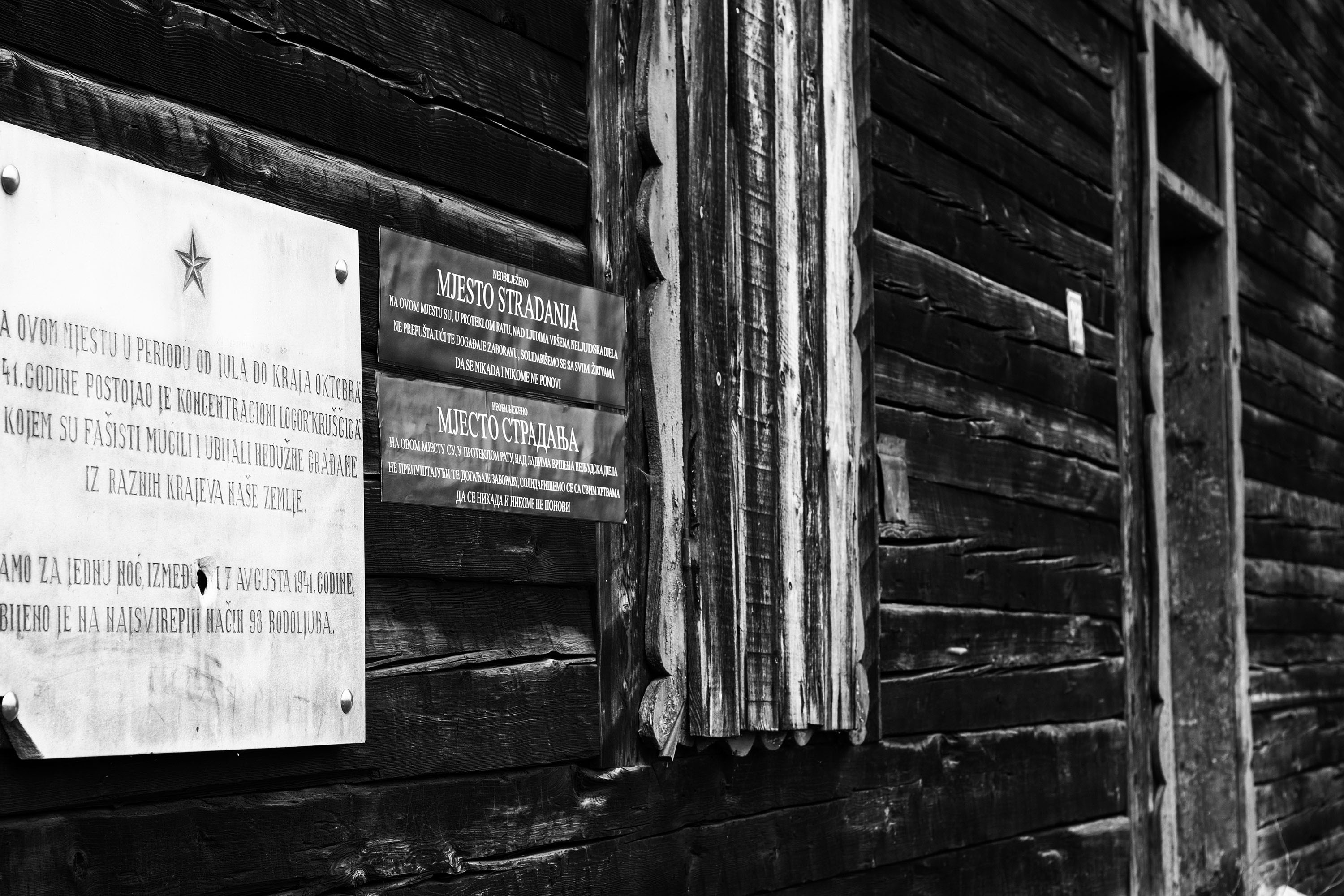
Ljubija Football Stadium, Prijedor

Ljubija Football Stadium, Prijedor

Info

Zanatski centar, Brčko

Location:
Brčko District of BiH

Importance of the locality:

On 7 May 1992, from the police station, which was a site of detention for Bosniaks at the time, member of VRS Goran Jelisić took two civilians, Husein Kršo and Hajrudin Muzurović, to the Zanatski centar Street and killed them. Belgrade photojournalists Bojan Stojanović and Srđan Petrović caught the killing with their cameras and their photographs were used as evidence of this war crime in Brčko before the ICTY. Barbara Matejčić wrote in detail about the murder of Kršo and Muzurović, and the role of photographer Stojanović in these events, in her award-winning investigative article “Ubijanje za fotografiju: Šta se krije iza jedinog snimka smrti u ratu u Jugoslaviji“ [Killing for the Photo: What lies behind the only live photo of death in the war in Yugoslavia]. According to her investigation, there are strong indications that Stojanović and Petrović did not just record the murder as photographers, but took part in it.

Entity:
Brčko district

Ethnic group:
Bosniaks

Area that victims came from:
Brčko

Responsibility:
JNA, MUP RS

Court trials:

The International Criminal Tribunal for the former Yugoslavia (ICTY) convicted Momčilo Krajišnik, the wartime speaker of the National Assembly of Republika Srpska, for war crimes committed in Brčko, under the doctrine of command responsibility, and sentenced him to 20 years in prison. Biljana Plavšić, wartime member of the Presidency of Republika Srpska, was sentenced to 11 years in prison. Radovan Karadžić, as the president of Republika Srpska and commander in chief of its armed forces, was sentenced to life imprisonment. Ranko Češić was sentenced to 18 years in prison, while Goran Jelisić was convicted by the ICTY on 5 July 2001 for crimes committed in the territory of Brčko and sentenced to 40 years in prison. Goran Jelisić pled guilty to five of thirteen murders committed in the vicinity of the Brčko Police Station.

Commemorations:
Since 2023, UDIK has been petitioning the institutions of the Brčko District of BiH for a memorial plaque to be placed at the Zanatski centar. They are still waiting for a reply.

Data source:
ICTY

Marked and photographed:
7.05.2026.

Map:

Updated:
31.07.2026

Legenda

Army of Republic of Bosnia and Hercegovina – ARBiH
Security services command centre – CSB
Herzeg Bosnia – HB
Croat Defense Forces – HOS
Army of Croatia – HV
Croat Defense Council – HVO
Yugoslav National Army – JNA
International Crime Tribunal for Former Yugoslavia – ICTY
Ministry of Interior – MUP
People’s Defense of the Autonomous Province of Western Bosnia – NO APZB
Police station – SJB
Serb Army of Krajina – SVK
Territorial defense of Bosnia-Herzegovina – TO BiH
Army of Republic of Srpska – VRS
Army of Yugoslavia – VJ

Aktualizovano: 26. December 2019
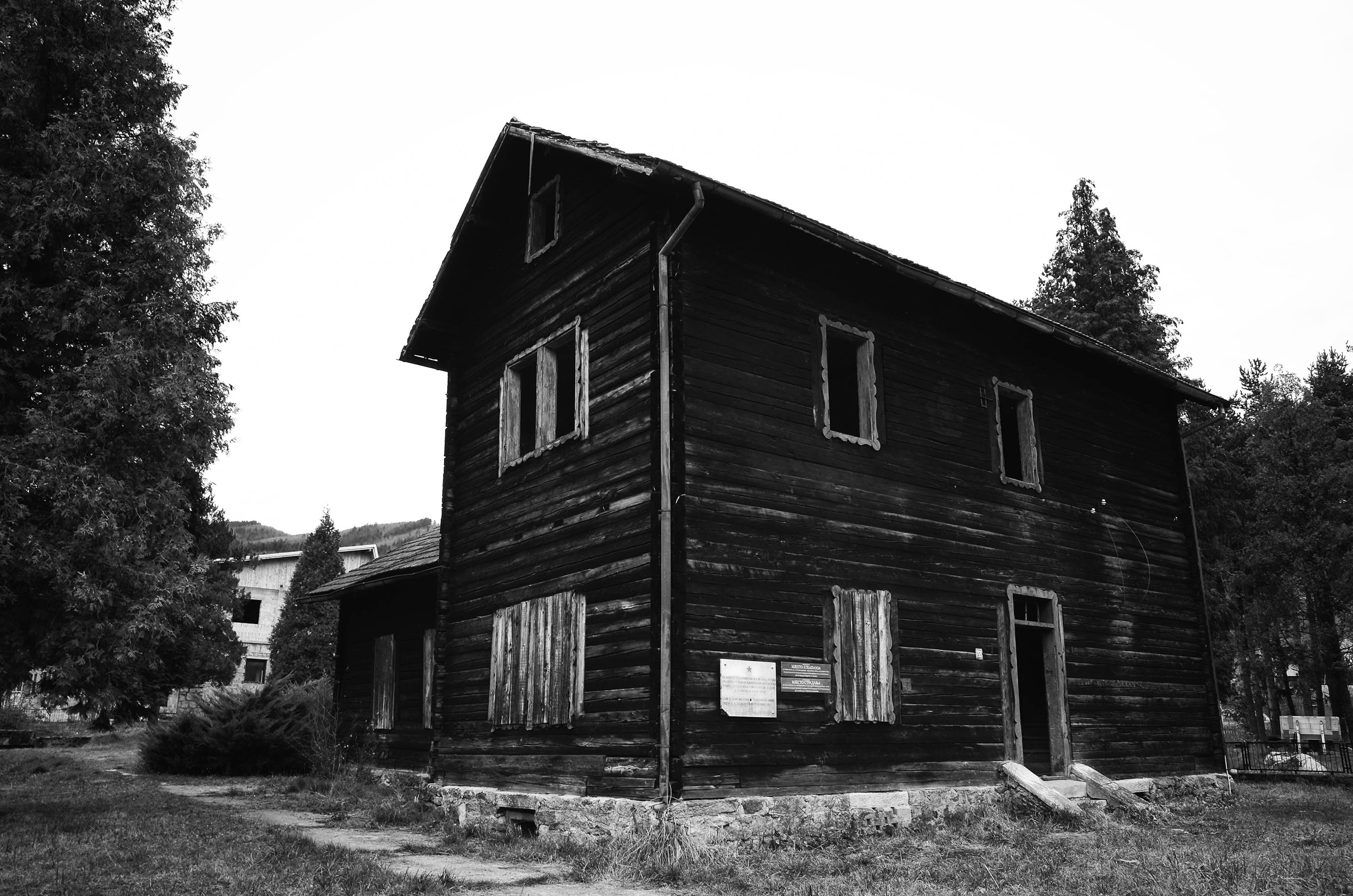
Culture Centre in Miska Glava, Prijedor

Culture Centre in Miska Glava, Prijedor

Info

Zanatski centar, Brčko

Location:
Brčko District of BiH

Importance of the locality:

On 7 May 1992, from the police station, which was a site of detention for Bosniaks at the time, member of VRS Goran Jelisić took two civilians, Husein Kršo and Hajrudin Muzurović, to the Zanatski centar Street and killed them. Belgrade photojournalists Bojan Stojanović and Srđan Petrović caught the killing with their cameras and their photographs were used as evidence of this war crime in Brčko before the ICTY. Barbara Matejčić wrote in detail about the murder of Kršo and Muzurović, and the role of photographer Stojanović in these events, in her award-winning investigative article “Ubijanje za fotografiju: Šta se krije iza jedinog snimka smrti u ratu u Jugoslaviji“ [Killing for the Photo: What lies behind the only live photo of death in the war in Yugoslavia]. According to her investigation, there are strong indications that Stojanović and Petrović did not just record the murder as photographers, but took part in it.

Entity:
Brčko district

Ethnic group:
Bosniaks

Area that victims came from:
Brčko

Responsibility:
JNA, MUP RS

Court trials:

The International Criminal Tribunal for the former Yugoslavia (ICTY) convicted Momčilo Krajišnik, the wartime speaker of the National Assembly of Republika Srpska, for war crimes committed in Brčko, under the doctrine of command responsibility, and sentenced him to 20 years in prison. Biljana Plavšić, wartime member of the Presidency of Republika Srpska, was sentenced to 11 years in prison. Radovan Karadžić, as the president of Republika Srpska and commander in chief of its armed forces, was sentenced to life imprisonment. Ranko Češić was sentenced to 18 years in prison, while Goran Jelisić was convicted by the ICTY on 5 July 2001 for crimes committed in the territory of Brčko and sentenced to 40 years in prison. Goran Jelisić pled guilty to five of thirteen murders committed in the vicinity of the Brčko Police Station.

Commemorations:
Since 2023, UDIK has been petitioning the institutions of the Brčko District of BiH for a memorial plaque to be placed at the Zanatski centar. They are still waiting for a reply.

Data source:
ICTY

Marked and photographed:
7.05.2026.

Map:

Updated:
31.07.2026

Legenda

Army of Republic of Bosnia and Hercegovina – ARBiH
Security services command centre – CSB
Herzeg Bosnia – HB
Croat Defense Forces – HOS
Army of Croatia – HV
Croat Defense Council – HVO
Yugoslav National Army – JNA
International Crime Tribunal for Former Yugoslavia – ICTY
Ministry of Interior – MUP
People’s Defense of the Autonomous Province of Western Bosnia – NO APZB
Police station – SJB
Serb Army of Krajina – SVK
Territorial defense of Bosnia-Herzegovina – TO BiH
Army of Republic of Srpska – VRS
Army of Yugoslavia – VJ

Aktualizovano: 26. December 2019
Auxiliary facility at the Public Security Station, Prijedor

Auxiliary facility at the Public Security Station, Prijedor

Info

Zanatski centar, Brčko

Location:
Brčko District of BiH

Importance of the locality:

On 7 May 1992, from the police station, which was a site of detention for Bosniaks at the time, member of VRS Goran Jelisić took two civilians, Husein Kršo and Hajrudin Muzurović, to the Zanatski centar Street and killed them. Belgrade photojournalists Bojan Stojanović and Srđan Petrović caught the killing with their cameras and their photographs were used as evidence of this war crime in Brčko before the ICTY. Barbara Matejčić wrote in detail about the murder of Kršo and Muzurović, and the role of photographer Stojanović in these events, in her award-winning investigative article “Ubijanje za fotografiju: Šta se krije iza jedinog snimka smrti u ratu u Jugoslaviji“ [Killing for the Photo: What lies behind the only live photo of death in the war in Yugoslavia]. According to her investigation, there are strong indications that Stojanović and Petrović did not just record the murder as photographers, but took part in it.

Entity:
Brčko district

Ethnic group:
Bosniaks

Area that victims came from:
Brčko

Responsibility:
JNA, MUP RS

Court trials:

The International Criminal Tribunal for the former Yugoslavia (ICTY) convicted Momčilo Krajišnik, the wartime speaker of the National Assembly of Republika Srpska, for war crimes committed in Brčko, under the doctrine of command responsibility, and sentenced him to 20 years in prison. Biljana Plavšić, wartime member of the Presidency of Republika Srpska, was sentenced to 11 years in prison. Radovan Karadžić, as the president of Republika Srpska and commander in chief of its armed forces, was sentenced to life imprisonment. Ranko Češić was sentenced to 18 years in prison, while Goran Jelisić was convicted by the ICTY on 5 July 2001 for crimes committed in the territory of Brčko and sentenced to 40 years in prison. Goran Jelisić pled guilty to five of thirteen murders committed in the vicinity of the Brčko Police Station.

Commemorations:
Since 2023, UDIK has been petitioning the institutions of the Brčko District of BiH for a memorial plaque to be placed at the Zanatski centar. They are still waiting for a reply.

Data source:
ICTY

Marked and photographed:
7.05.2026.

Map:

Updated:
31.07.2026

Legenda

Army of Republic of Bosnia and Hercegovina – ARBiH
Security services command centre – CSB
Herzeg Bosnia – HB
Croat Defense Forces – HOS
Army of Croatia – HV
Croat Defense Council – HVO
Yugoslav National Army – JNA
International Crime Tribunal for Former Yugoslavia – ICTY
Ministry of Interior – MUP
People’s Defense of the Autonomous Province of Western Bosnia – NO APZB
Police station – SJB
Serb Army of Krajina – SVK
Territorial defense of Bosnia-Herzegovina – TO BiH
Army of Republic of Srpska – VRS
Army of Yugoslavia – VJ

Aktualizovano: 26. December 2019
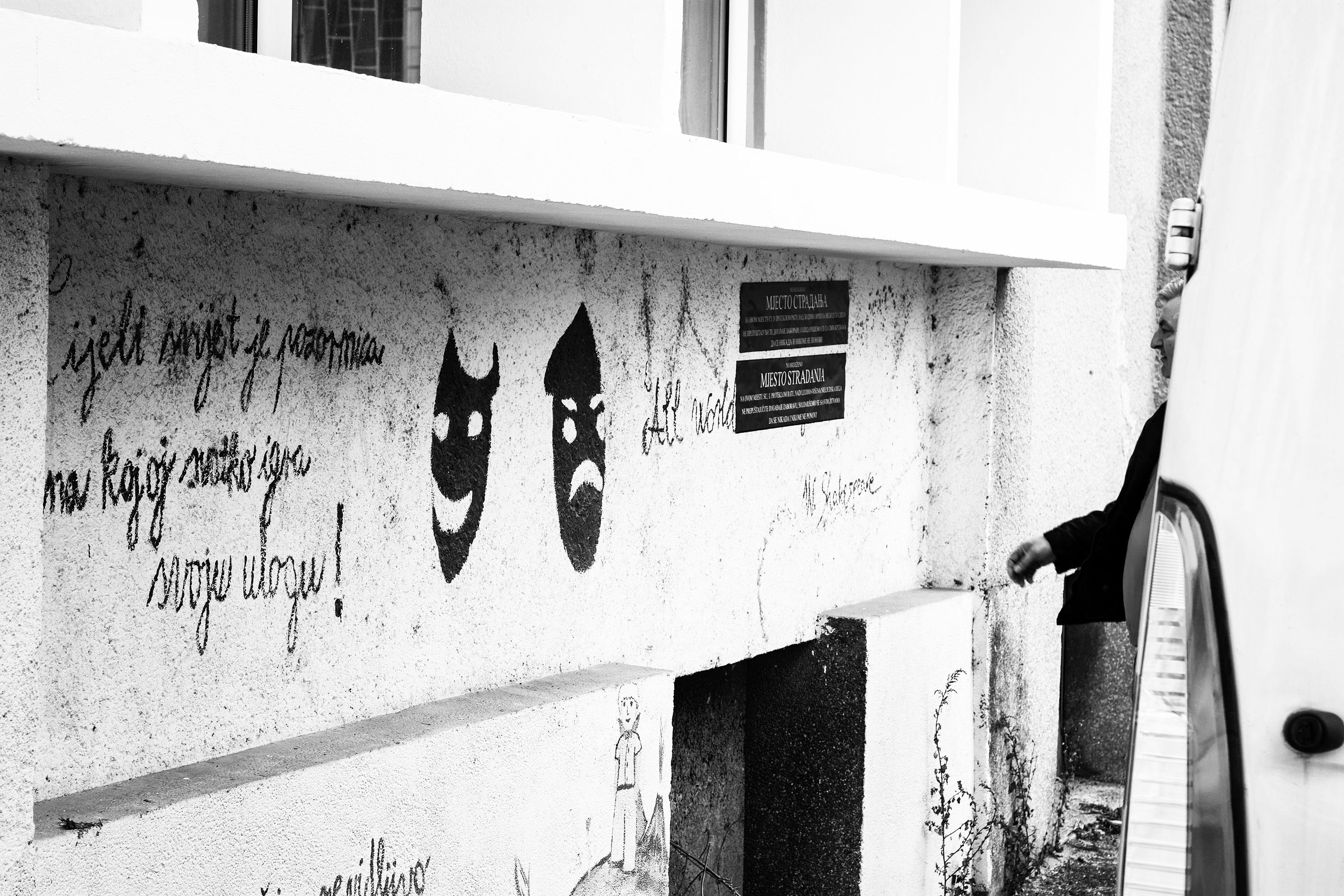
Bravnice, Jajce

Bravnice, Jajce

Info

Zanatski centar, Brčko

Location:
Brčko District of BiH

Importance of the locality:

On 7 May 1992, from the police station, which was a site of detention for Bosniaks at the time, member of VRS Goran Jelisić took two civilians, Husein Kršo and Hajrudin Muzurović, to the Zanatski centar Street and killed them. Belgrade photojournalists Bojan Stojanović and Srđan Petrović caught the killing with their cameras and their photographs were used as evidence of this war crime in Brčko before the ICTY. Barbara Matejčić wrote in detail about the murder of Kršo and Muzurović, and the role of photographer Stojanović in these events, in her award-winning investigative article “Ubijanje za fotografiju: Šta se krije iza jedinog snimka smrti u ratu u Jugoslaviji“ [Killing for the Photo: What lies behind the only live photo of death in the war in Yugoslavia]. According to her investigation, there are strong indications that Stojanović and Petrović did not just record the murder as photographers, but took part in it.

Entity:
Brčko district

Ethnic group:
Bosniaks

Area that victims came from:
Brčko

Responsibility:
JNA, MUP RS

Court trials:

The International Criminal Tribunal for the former Yugoslavia (ICTY) convicted Momčilo Krajišnik, the wartime speaker of the National Assembly of Republika Srpska, for war crimes committed in Brčko, under the doctrine of command responsibility, and sentenced him to 20 years in prison. Biljana Plavšić, wartime member of the Presidency of Republika Srpska, was sentenced to 11 years in prison. Radovan Karadžić, as the president of Republika Srpska and commander in chief of its armed forces, was sentenced to life imprisonment. Ranko Češić was sentenced to 18 years in prison, while Goran Jelisić was convicted by the ICTY on 5 July 2001 for crimes committed in the territory of Brčko and sentenced to 40 years in prison. Goran Jelisić pled guilty to five of thirteen murders committed in the vicinity of the Brčko Police Station.

Commemorations:
Since 2023, UDIK has been petitioning the institutions of the Brčko District of BiH for a memorial plaque to be placed at the Zanatski centar. They are still waiting for a reply.

Data source:
ICTY

Marked and photographed:
7.05.2026.

Map:

Updated:
31.07.2026

Legenda

Army of Republic of Bosnia and Hercegovina – ARBiH
Security services command centre – CSB
Herzeg Bosnia – HB
Croat Defense Forces – HOS
Army of Croatia – HV
Croat Defense Council – HVO
Yugoslav National Army – JNA
International Crime Tribunal for Former Yugoslavia – ICTY
Ministry of Interior – MUP
People’s Defense of the Autonomous Province of Western Bosnia – NO APZB
Police station – SJB
Serb Army of Krajina – SVK
Territorial defense of Bosnia-Herzegovina – TO BiH
Army of Republic of Srpska – VRS
Army of Yugoslavia – VJ

Aktualizovano: 26. December 2019
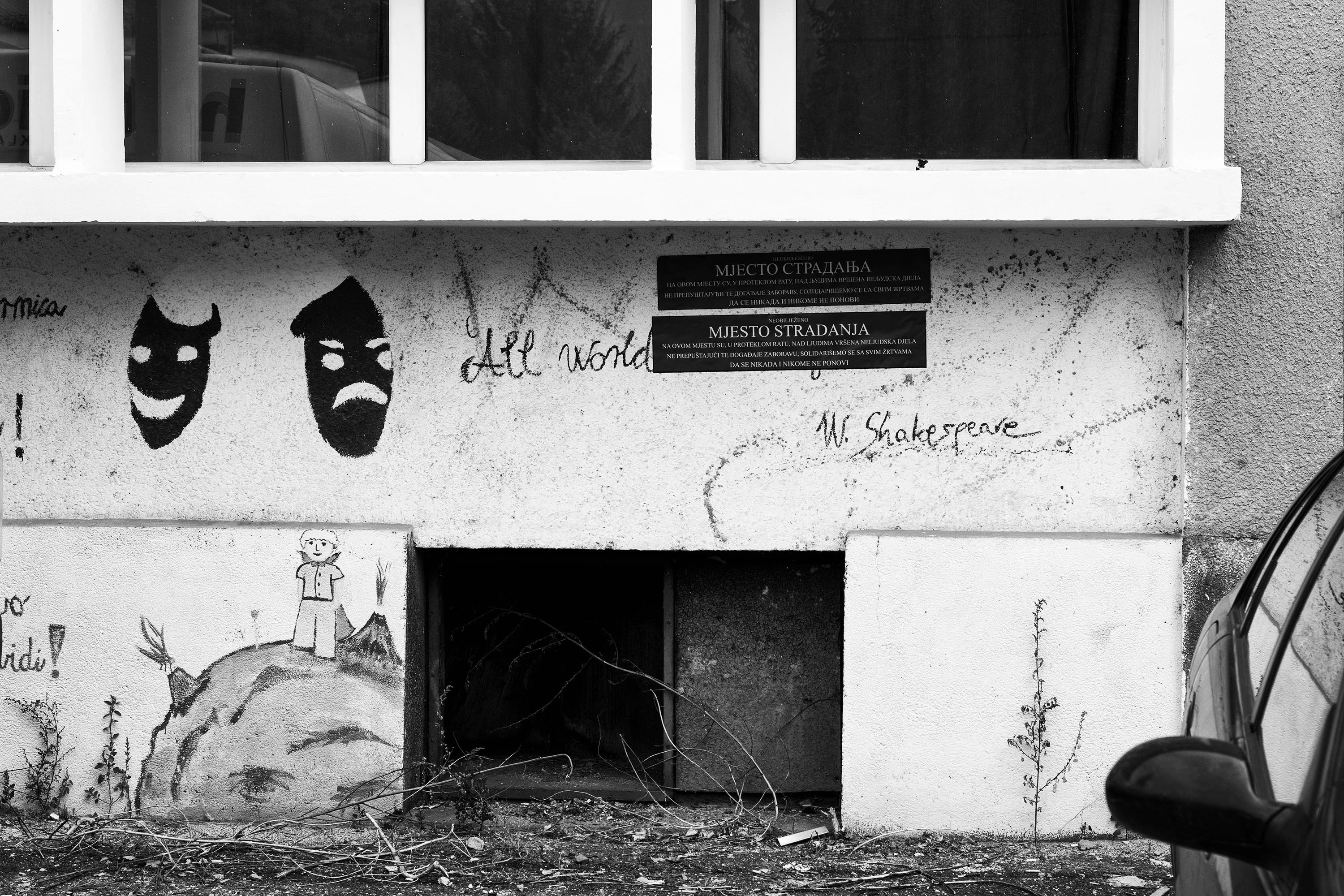
Motel Sretno, Kakanj

Motel Sretno, Kakanj

Info

Zanatski centar, Brčko

Location:
Brčko District of BiH

Importance of the locality:

On 7 May 1992, from the police station, which was a site of detention for Bosniaks at the time, member of VRS Goran Jelisić took two civilians, Husein Kršo and Hajrudin Muzurović, to the Zanatski centar Street and killed them. Belgrade photojournalists Bojan Stojanović and Srđan Petrović caught the killing with their cameras and their photographs were used as evidence of this war crime in Brčko before the ICTY. Barbara Matejčić wrote in detail about the murder of Kršo and Muzurović, and the role of photographer Stojanović in these events, in her award-winning investigative article “Ubijanje za fotografiju: Šta se krije iza jedinog snimka smrti u ratu u Jugoslaviji“ [Killing for the Photo: What lies behind the only live photo of death in the war in Yugoslavia]. According to her investigation, there are strong indications that Stojanović and Petrović did not just record the murder as photographers, but took part in it.

Entity:
Brčko district

Ethnic group:
Bosniaks

Area that victims came from:
Brčko

Responsibility:
JNA, MUP RS

Court trials:

The International Criminal Tribunal for the former Yugoslavia (ICTY) convicted Momčilo Krajišnik, the wartime speaker of the National Assembly of Republika Srpska, for war crimes committed in Brčko, under the doctrine of command responsibility, and sentenced him to 20 years in prison. Biljana Plavšić, wartime member of the Presidency of Republika Srpska, was sentenced to 11 years in prison. Radovan Karadžić, as the president of Republika Srpska and commander in chief of its armed forces, was sentenced to life imprisonment. Ranko Češić was sentenced to 18 years in prison, while Goran Jelisić was convicted by the ICTY on 5 July 2001 for crimes committed in the territory of Brčko and sentenced to 40 years in prison. Goran Jelisić pled guilty to five of thirteen murders committed in the vicinity of the Brčko Police Station.

Commemorations:
Since 2023, UDIK has been petitioning the institutions of the Brčko District of BiH for a memorial plaque to be placed at the Zanatski centar. They are still waiting for a reply.

Data source:
ICTY

Marked and photographed:
7.05.2026.

Map:

Updated:
31.07.2026

Legenda

Army of Republic of Bosnia and Hercegovina – ARBiH
Security services command centre – CSB
Herzeg Bosnia – HB
Croat Defense Forces – HOS
Army of Croatia – HV
Croat Defense Council – HVO
Yugoslav National Army – JNA
International Crime Tribunal for Former Yugoslavia – ICTY
Ministry of Interior – MUP
People’s Defense of the Autonomous Province of Western Bosnia – NO APZB
Police station – SJB
Serb Army of Krajina – SVK
Territorial defense of Bosnia-Herzegovina – TO BiH
Army of Republic of Srpska – VRS
Army of Yugoslavia – VJ

Aktualizovano: 26. December 2019
Old Trade School, Vareš

Old Trade School, Vareš

Info

Zanatski centar, Brčko

Location:
Brčko District of BiH

Importance of the locality:

On 7 May 1992, from the police station, which was a site of detention for Bosniaks at the time, member of VRS Goran Jelisić took two civilians, Husein Kršo and Hajrudin Muzurović, to the Zanatski centar Street and killed them. Belgrade photojournalists Bojan Stojanović and Srđan Petrović caught the killing with their cameras and their photographs were used as evidence of this war crime in Brčko before the ICTY. Barbara Matejčić wrote in detail about the murder of Kršo and Muzurović, and the role of photographer Stojanović in these events, in her award-winning investigative article “Ubijanje za fotografiju: Šta se krije iza jedinog snimka smrti u ratu u Jugoslaviji“ [Killing for the Photo: What lies behind the only live photo of death in the war in Yugoslavia]. According to her investigation, there are strong indications that Stojanović and Petrović did not just record the murder as photographers, but took part in it.

Entity:
Brčko district

Ethnic group:
Bosniaks

Area that victims came from:
Brčko

Responsibility:
JNA, MUP RS

Court trials:

The International Criminal Tribunal for the former Yugoslavia (ICTY) convicted Momčilo Krajišnik, the wartime speaker of the National Assembly of Republika Srpska, for war crimes committed in Brčko, under the doctrine of command responsibility, and sentenced him to 20 years in prison. Biljana Plavšić, wartime member of the Presidency of Republika Srpska, was sentenced to 11 years in prison. Radovan Karadžić, as the president of Republika Srpska and commander in chief of its armed forces, was sentenced to life imprisonment. Ranko Češić was sentenced to 18 years in prison, while Goran Jelisić was convicted by the ICTY on 5 July 2001 for crimes committed in the territory of Brčko and sentenced to 40 years in prison. Goran Jelisić pled guilty to five of thirteen murders committed in the vicinity of the Brčko Police Station.

Commemorations:
Since 2023, UDIK has been petitioning the institutions of the Brčko District of BiH for a memorial plaque to be placed at the Zanatski centar. They are still waiting for a reply.

Data source:
ICTY

Marked and photographed:
7.05.2026.

Map:

Updated:
31.07.2026

Legenda

Army of Republic of Bosnia and Hercegovina – ARBiH
Security services command centre – CSB
Herzeg Bosnia – HB
Croat Defense Forces – HOS
Army of Croatia – HV
Croat Defense Council – HVO
Yugoslav National Army – JNA
International Crime Tribunal for Former Yugoslavia – ICTY
Ministry of Interior – MUP
People’s Defense of the Autonomous Province of Western Bosnia – NO APZB
Police station – SJB
Serb Army of Krajina – SVK
Territorial defense of Bosnia-Herzegovina – TO BiH
Army of Republic of Srpska – VRS
Army of Yugoslavia – VJ

Aktualizovano: 26. December 2019

Autotrans building, Vareš

Autotrans building, Vareš

Info

Zanatski centar, Brčko

Location:
Brčko District of BiH

Importance of the locality:

On 7 May 1992, from the police station, which was a site of detention for Bosniaks at the time, member of VRS Goran Jelisić took two civilians, Husein Kršo and Hajrudin Muzurović, to the Zanatski centar Street and killed them. Belgrade photojournalists Bojan Stojanović and Srđan Petrović caught the killing with their cameras and their photographs were used as evidence of this war crime in Brčko before the ICTY. Barbara Matejčić wrote in detail about the murder of Kršo and Muzurović, and the role of photographer Stojanović in these events, in her award-winning investigative article “Ubijanje za fotografiju: Šta se krije iza jedinog snimka smrti u ratu u Jugoslaviji“ [Killing for the Photo: What lies behind the only live photo of death in the war in Yugoslavia]. According to her investigation, there are strong indications that Stojanović and Petrović did not just record the murder as photographers, but took part in it.

Entity:
Brčko district

Ethnic group:
Bosniaks

Area that victims came from:
Brčko

Responsibility:
JNA, MUP RS

Court trials:

The International Criminal Tribunal for the former Yugoslavia (ICTY) convicted Momčilo Krajišnik, the wartime speaker of the National Assembly of Republika Srpska, for war crimes committed in Brčko, under the doctrine of command responsibility, and sentenced him to 20 years in prison. Biljana Plavšić, wartime member of the Presidency of Republika Srpska, was sentenced to 11 years in prison. Radovan Karadžić, as the president of Republika Srpska and commander in chief of its armed forces, was sentenced to life imprisonment. Ranko Češić was sentenced to 18 years in prison, while Goran Jelisić was convicted by the ICTY on 5 July 2001 for crimes committed in the territory of Brčko and sentenced to 40 years in prison. Goran Jelisić pled guilty to five of thirteen murders committed in the vicinity of the Brčko Police Station.

Commemorations:
Since 2023, UDIK has been petitioning the institutions of the Brčko District of BiH for a memorial plaque to be placed at the Zanatski centar. They are still waiting for a reply.

Data source:
ICTY

Marked and photographed:
7.05.2026.

Map:

Updated:
31.07.2026

Legenda

Army of Republic of Bosnia and Hercegovina – ARBiH
Security services command centre – CSB
Herzeg Bosnia – HB
Croat Defense Forces – HOS
Army of Croatia – HV
Croat Defense Council – HVO
Yugoslav National Army – JNA
International Crime Tribunal for Former Yugoslavia – ICTY
Ministry of Interior – MUP
People’s Defense of the Autonomous Province of Western Bosnia – NO APZB
Police station – SJB
Serb Army of Krajina – SVK
Territorial defense of Bosnia-Herzegovina – TO BiH
Army of Republic of Srpska – VRS
Army of Yugoslavia – VJ

Aktualizovano: 26. December 2019
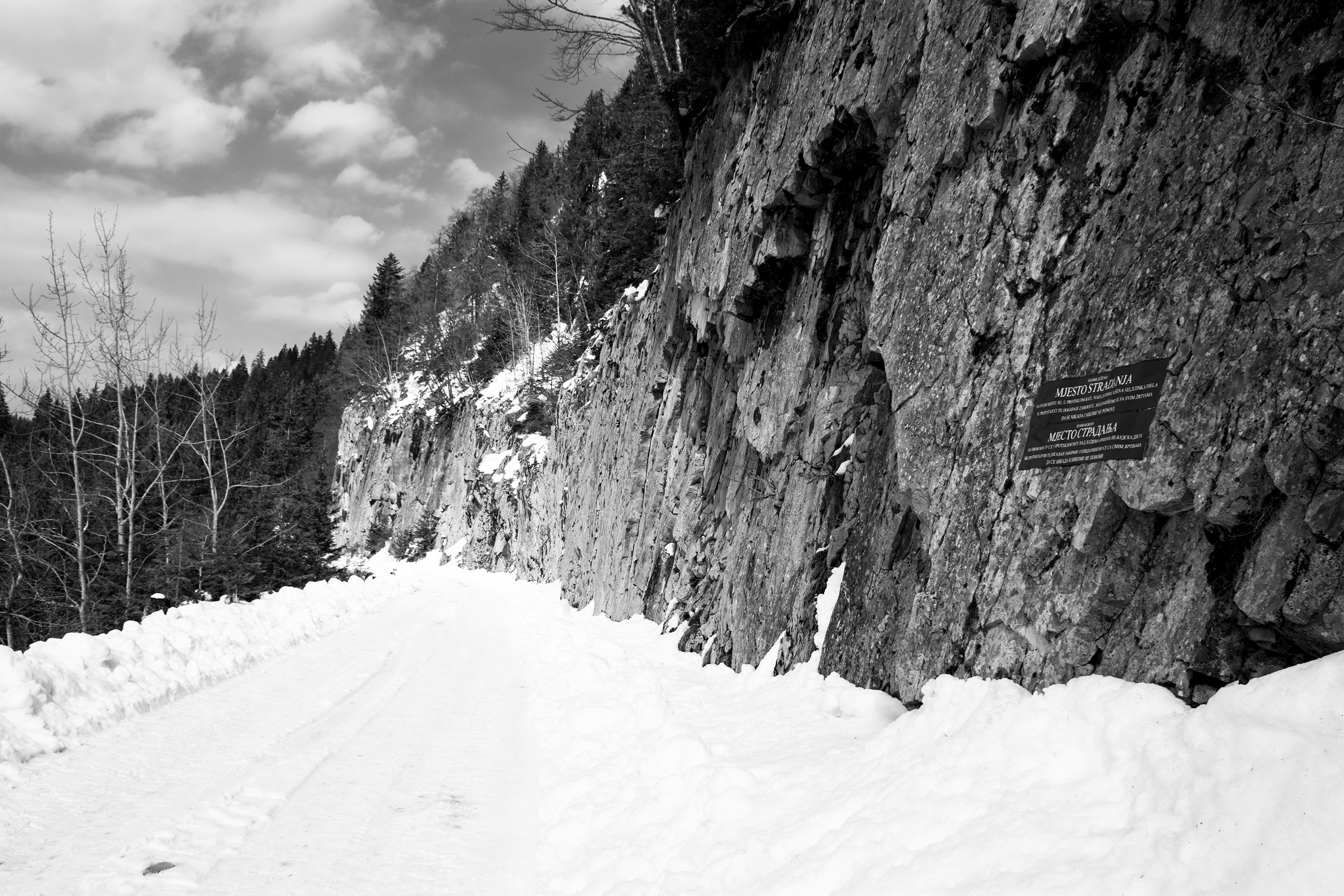
Šumarstvo Company building, Vareš

Šumarstvo Company building, Vareš

Info

Zanatski centar, Brčko

Location:
Brčko District of BiH

Importance of the locality:

On 7 May 1992, from the police station, which was a site of detention for Bosniaks at the time, member of VRS Goran Jelisić took two civilians, Husein Kršo and Hajrudin Muzurović, to the Zanatski centar Street and killed them. Belgrade photojournalists Bojan Stojanović and Srđan Petrović caught the killing with their cameras and their photographs were used as evidence of this war crime in Brčko before the ICTY. Barbara Matejčić wrote in detail about the murder of Kršo and Muzurović, and the role of photographer Stojanović in these events, in her award-winning investigative article “Ubijanje za fotografiju: Šta se krije iza jedinog snimka smrti u ratu u Jugoslaviji“ [Killing for the Photo: What lies behind the only live photo of death in the war in Yugoslavia]. According to her investigation, there are strong indications that Stojanović and Petrović did not just record the murder as photographers, but took part in it.

Entity:
Brčko district

Ethnic group:
Bosniaks

Area that victims came from:
Brčko

Responsibility:
JNA, MUP RS

Court trials:

The International Criminal Tribunal for the former Yugoslavia (ICTY) convicted Momčilo Krajišnik, the wartime speaker of the National Assembly of Republika Srpska, for war crimes committed in Brčko, under the doctrine of command responsibility, and sentenced him to 20 years in prison. Biljana Plavšić, wartime member of the Presidency of Republika Srpska, was sentenced to 11 years in prison. Radovan Karadžić, as the president of Republika Srpska and commander in chief of its armed forces, was sentenced to life imprisonment. Ranko Češić was sentenced to 18 years in prison, while Goran Jelisić was convicted by the ICTY on 5 July 2001 for crimes committed in the territory of Brčko and sentenced to 40 years in prison. Goran Jelisić pled guilty to five of thirteen murders committed in the vicinity of the Brčko Police Station.

Commemorations:
Since 2023, UDIK has been petitioning the institutions of the Brčko District of BiH for a memorial plaque to be placed at the Zanatski centar. They are still waiting for a reply.

Data source:
ICTY

Marked and photographed:
7.05.2026.

Map:

Updated:
31.07.2026

Legenda

Army of Republic of Bosnia and Hercegovina – ARBiH
Security services command centre – CSB
Herzeg Bosnia – HB
Croat Defense Forces – HOS
Army of Croatia – HV
Croat Defense Council – HVO
Yugoslav National Army – JNA
International Crime Tribunal for Former Yugoslavia – ICTY
Ministry of Interior – MUP
People’s Defense of the Autonomous Province of Western Bosnia – NO APZB
Police station – SJB
Serb Army of Krajina – SVK
Territorial defense of Bosnia-Herzegovina – TO BiH
Army of Republic of Srpska – VRS
Army of Yugoslavia – VJ

Aktualizovano: 26. December 2019
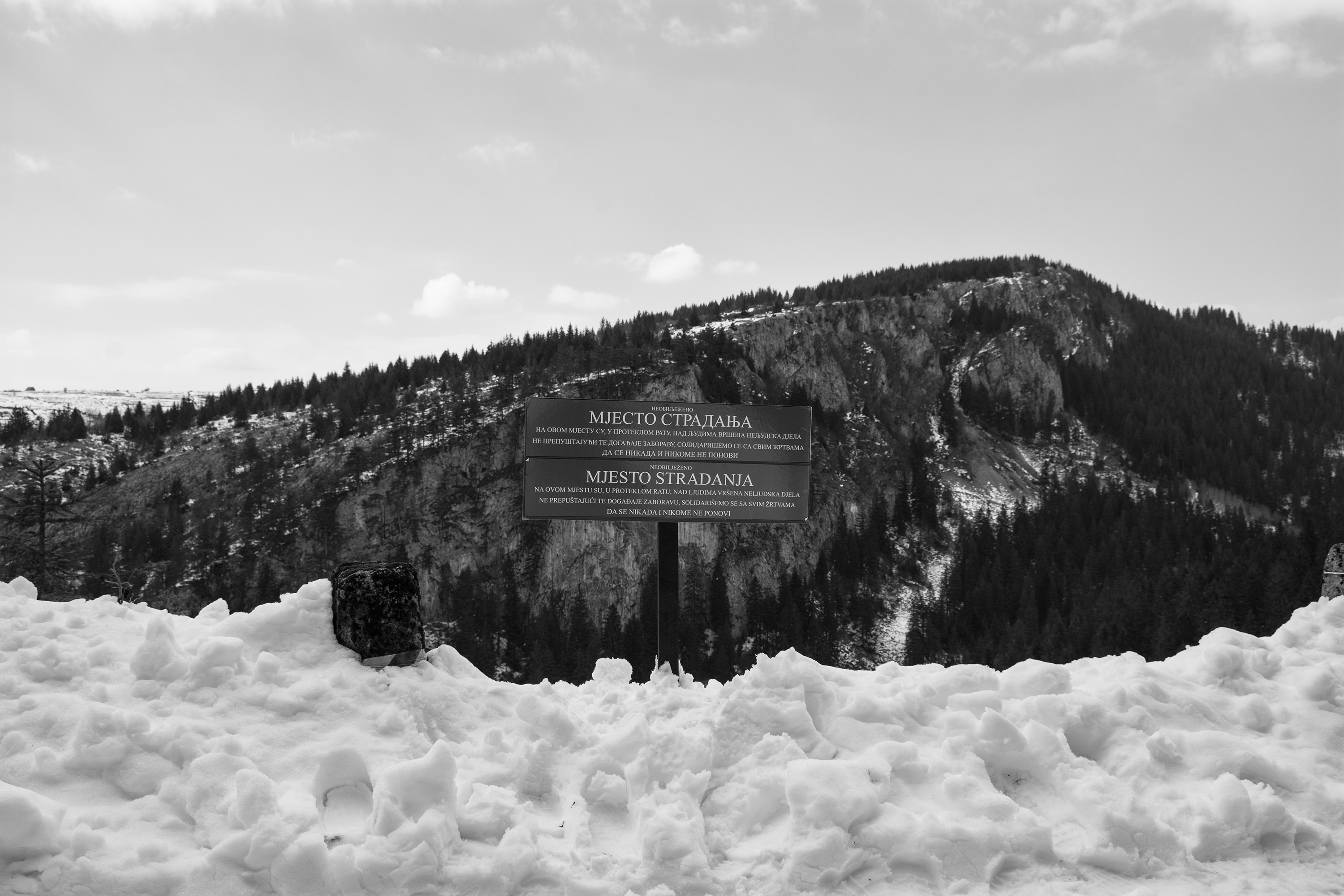
Village of Crkvina¸, Goražde

Village of Crkvina¸, Goražde

Info

Zanatski centar, Brčko

Location:
Brčko District of BiH

Importance of the locality:

On 7 May 1992, from the police station, which was a site of detention for Bosniaks at the time, member of VRS Goran Jelisić took two civilians, Husein Kršo and Hajrudin Muzurović, to the Zanatski centar Street and killed them. Belgrade photojournalists Bojan Stojanović and Srđan Petrović caught the killing with their cameras and their photographs were used as evidence of this war crime in Brčko before the ICTY. Barbara Matejčić wrote in detail about the murder of Kršo and Muzurović, and the role of photographer Stojanović in these events, in her award-winning investigative article “Ubijanje za fotografiju: Šta se krije iza jedinog snimka smrti u ratu u Jugoslaviji“ [Killing for the Photo: What lies behind the only live photo of death in the war in Yugoslavia]. According to her investigation, there are strong indications that Stojanović and Petrović did not just record the murder as photographers, but took part in it.

Entity:
Brčko district

Ethnic group:
Bosniaks

Area that victims came from:
Brčko

Responsibility:
JNA, MUP RS

Court trials:

The International Criminal Tribunal for the former Yugoslavia (ICTY) convicted Momčilo Krajišnik, the wartime speaker of the National Assembly of Republika Srpska, for war crimes committed in Brčko, under the doctrine of command responsibility, and sentenced him to 20 years in prison. Biljana Plavšić, wartime member of the Presidency of Republika Srpska, was sentenced to 11 years in prison. Radovan Karadžić, as the president of Republika Srpska and commander in chief of its armed forces, was sentenced to life imprisonment. Ranko Češić was sentenced to 18 years in prison, while Goran Jelisić was convicted by the ICTY on 5 July 2001 for crimes committed in the territory of Brčko and sentenced to 40 years in prison. Goran Jelisić pled guilty to five of thirteen murders committed in the vicinity of the Brčko Police Station.

Commemorations:
Since 2023, UDIK has been petitioning the institutions of the Brčko District of BiH for a memorial plaque to be placed at the Zanatski centar. They are still waiting for a reply.

Data source:
ICTY

Marked and photographed:
7.05.2026.

Map:

Updated:
31.07.2026

Legenda

Army of Republic of Bosnia and Hercegovina – ARBiH
Security services command centre – CSB
Herzeg Bosnia – HB
Croat Defense Forces – HOS
Army of Croatia – HV
Croat Defense Council – HVO
Yugoslav National Army – JNA
International Crime Tribunal for Former Yugoslavia – ICTY
Ministry of Interior – MUP
People’s Defense of the Autonomous Province of Western Bosnia – NO APZB
Police station – SJB
Serb Army of Krajina – SVK
Territorial defense of Bosnia-Herzegovina – TO BiH
Army of Republic of Srpska – VRS
Army of Yugoslavia – VJ

Aktualizovano: 25. December 2019
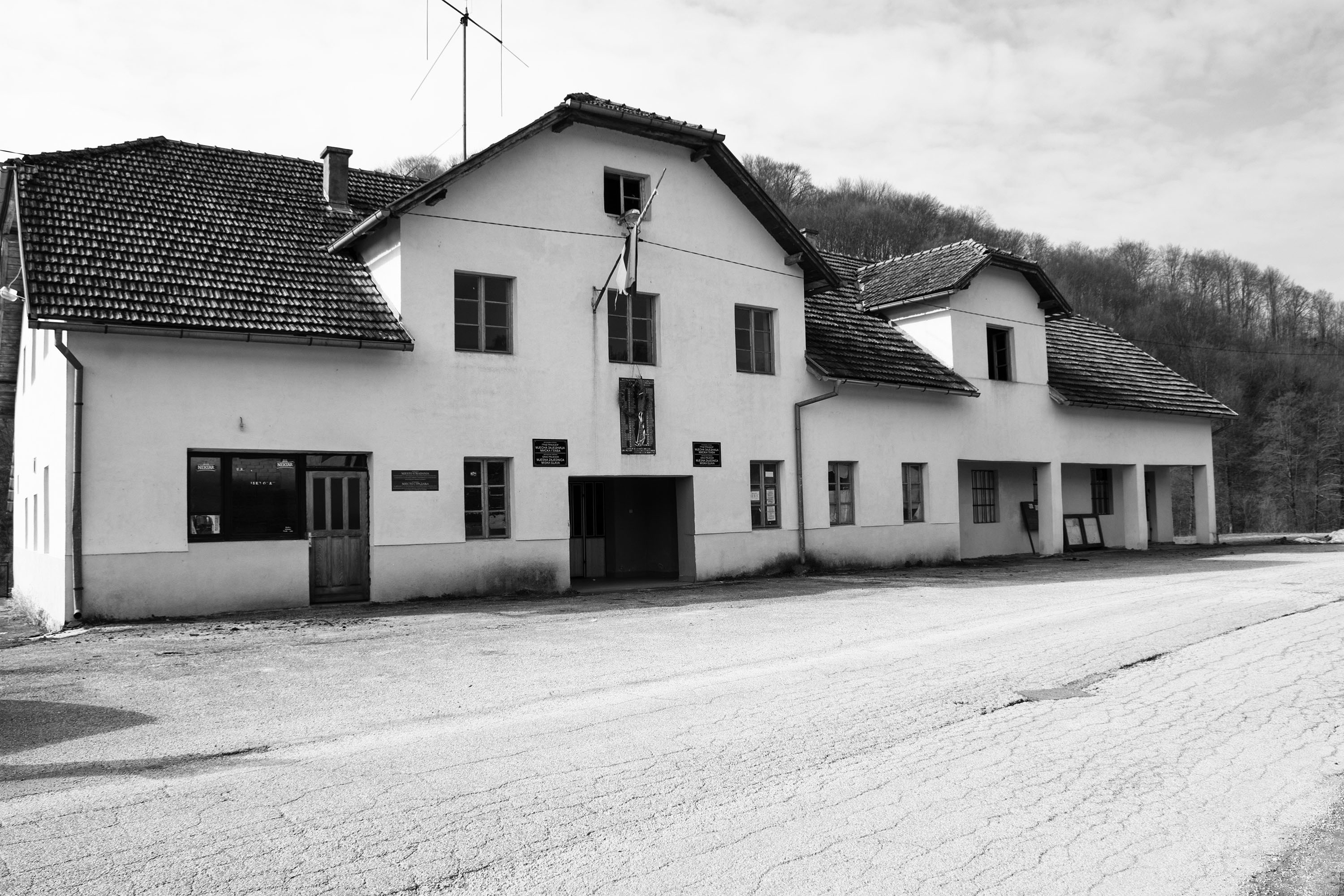
Vojno Camp, Mostar

Vojno Camp, Mostar

Info

Zanatski centar, Brčko

Location:
Brčko District of BiH

Importance of the locality:

On 7 May 1992, from the police station, which was a site of detention for Bosniaks at the time, member of VRS Goran Jelisić took two civilians, Husein Kršo and Hajrudin Muzurović, to the Zanatski centar Street and killed them. Belgrade photojournalists Bojan Stojanović and Srđan Petrović caught the killing with their cameras and their photographs were used as evidence of this war crime in Brčko before the ICTY. Barbara Matejčić wrote in detail about the murder of Kršo and Muzurović, and the role of photographer Stojanović in these events, in her award-winning investigative article “Ubijanje za fotografiju: Šta se krije iza jedinog snimka smrti u ratu u Jugoslaviji“ [Killing for the Photo: What lies behind the only live photo of death in the war in Yugoslavia]. According to her investigation, there are strong indications that Stojanović and Petrović did not just record the murder as photographers, but took part in it.

Entity:
Brčko district

Ethnic group:
Bosniaks

Area that victims came from:
Brčko

Responsibility:
JNA, MUP RS

Court trials:

The International Criminal Tribunal for the former Yugoslavia (ICTY) convicted Momčilo Krajišnik, the wartime speaker of the National Assembly of Republika Srpska, for war crimes committed in Brčko, under the doctrine of command responsibility, and sentenced him to 20 years in prison. Biljana Plavšić, wartime member of the Presidency of Republika Srpska, was sentenced to 11 years in prison. Radovan Karadžić, as the president of Republika Srpska and commander in chief of its armed forces, was sentenced to life imprisonment. Ranko Češić was sentenced to 18 years in prison, while Goran Jelisić was convicted by the ICTY on 5 July 2001 for crimes committed in the territory of Brčko and sentenced to 40 years in prison. Goran Jelisić pled guilty to five of thirteen murders committed in the vicinity of the Brčko Police Station.

Commemorations:
Since 2023, UDIK has been petitioning the institutions of the Brčko District of BiH for a memorial plaque to be placed at the Zanatski centar. They are still waiting for a reply.

Data source:
ICTY

Marked and photographed:
7.05.2026.

Map:

Updated:
31.07.2026

Legenda

Army of Republic of Bosnia and Hercegovina – ARBiH
Security services command centre – CSB
Herzeg Bosnia – HB
Croat Defense Forces – HOS
Army of Croatia – HV
Croat Defense Council – HVO
Yugoslav National Army – JNA
International Crime Tribunal for Former Yugoslavia – ICTY
Ministry of Interior – MUP
People’s Defense of the Autonomous Province of Western Bosnia – NO APZB
Police station – SJB
Serb Army of Krajina – SVK
Territorial defense of Bosnia-Herzegovina – TO BiH
Army of Republic of Srpska – VRS
Army of Yugoslavia – VJ

Aktualizovano: 25. December 2019
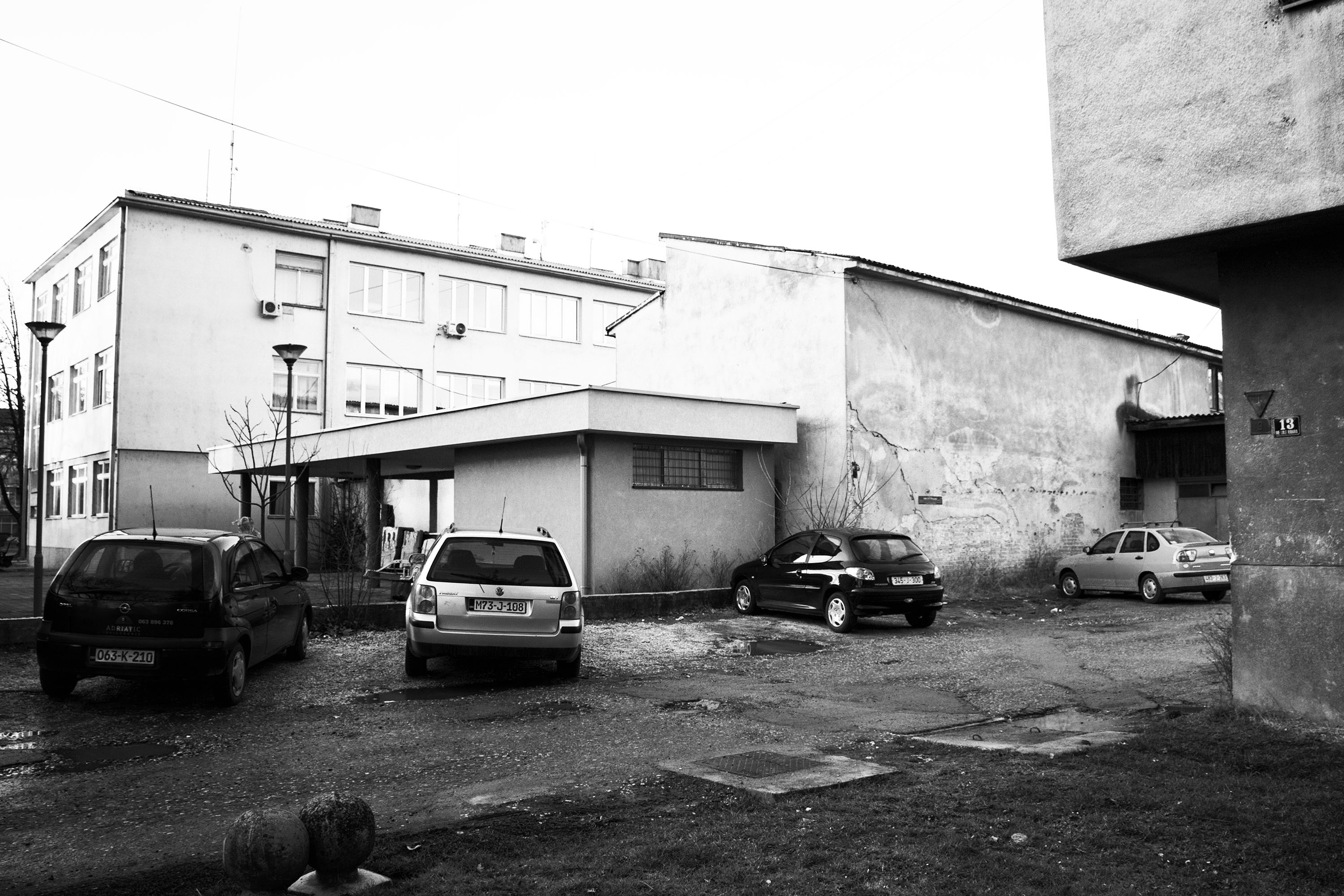
Skender’s houses, Mostar

Skender’s houses, Mostar

Info

Zanatski centar, Brčko

Location:
Brčko District of BiH

Importance of the locality:

On 7 May 1992, from the police station, which was a site of detention for Bosniaks at the time, member of VRS Goran Jelisić took two civilians, Husein Kršo and Hajrudin Muzurović, to the Zanatski centar Street and killed them. Belgrade photojournalists Bojan Stojanović and Srđan Petrović caught the killing with their cameras and their photographs were used as evidence of this war crime in Brčko before the ICTY. Barbara Matejčić wrote in detail about the murder of Kršo and Muzurović, and the role of photographer Stojanović in these events, in her award-winning investigative article “Ubijanje za fotografiju: Šta se krije iza jedinog snimka smrti u ratu u Jugoslaviji“ [Killing for the Photo: What lies behind the only live photo of death in the war in Yugoslavia]. According to her investigation, there are strong indications that Stojanović and Petrović did not just record the murder as photographers, but took part in it.

Entity:
Brčko district

Ethnic group:
Bosniaks

Area that victims came from:
Brčko

Responsibility:
JNA, MUP RS

Court trials:

The International Criminal Tribunal for the former Yugoslavia (ICTY) convicted Momčilo Krajišnik, the wartime speaker of the National Assembly of Republika Srpska, for war crimes committed in Brčko, under the doctrine of command responsibility, and sentenced him to 20 years in prison. Biljana Plavšić, wartime member of the Presidency of Republika Srpska, was sentenced to 11 years in prison. Radovan Karadžić, as the president of Republika Srpska and commander in chief of its armed forces, was sentenced to life imprisonment. Ranko Češić was sentenced to 18 years in prison, while Goran Jelisić was convicted by the ICTY on 5 July 2001 for crimes committed in the territory of Brčko and sentenced to 40 years in prison. Goran Jelisić pled guilty to five of thirteen murders committed in the vicinity of the Brčko Police Station.

Commemorations:
Since 2023, UDIK has been petitioning the institutions of the Brčko District of BiH for a memorial plaque to be placed at the Zanatski centar. They are still waiting for a reply.

Data source:
ICTY

Marked and photographed:
7.05.2026.

Map:

Updated:
31.07.2026

Legenda

Army of Republic of Bosnia and Hercegovina – ARBiH
Security services command centre – CSB
Herzeg Bosnia – HB
Croat Defense Forces – HOS
Army of Croatia – HV
Croat Defense Council – HVO
Yugoslav National Army – JNA
International Crime Tribunal for Former Yugoslavia – ICTY
Ministry of Interior – MUP
People’s Defense of the Autonomous Province of Western Bosnia – NO APZB
Police station – SJB
Serb Army of Krajina – SVK
Territorial defense of Bosnia-Herzegovina – TO BiH
Army of Republic of Srpska – VRS
Army of Yugoslavia – VJ

Aktualizovano: 25. December 2019
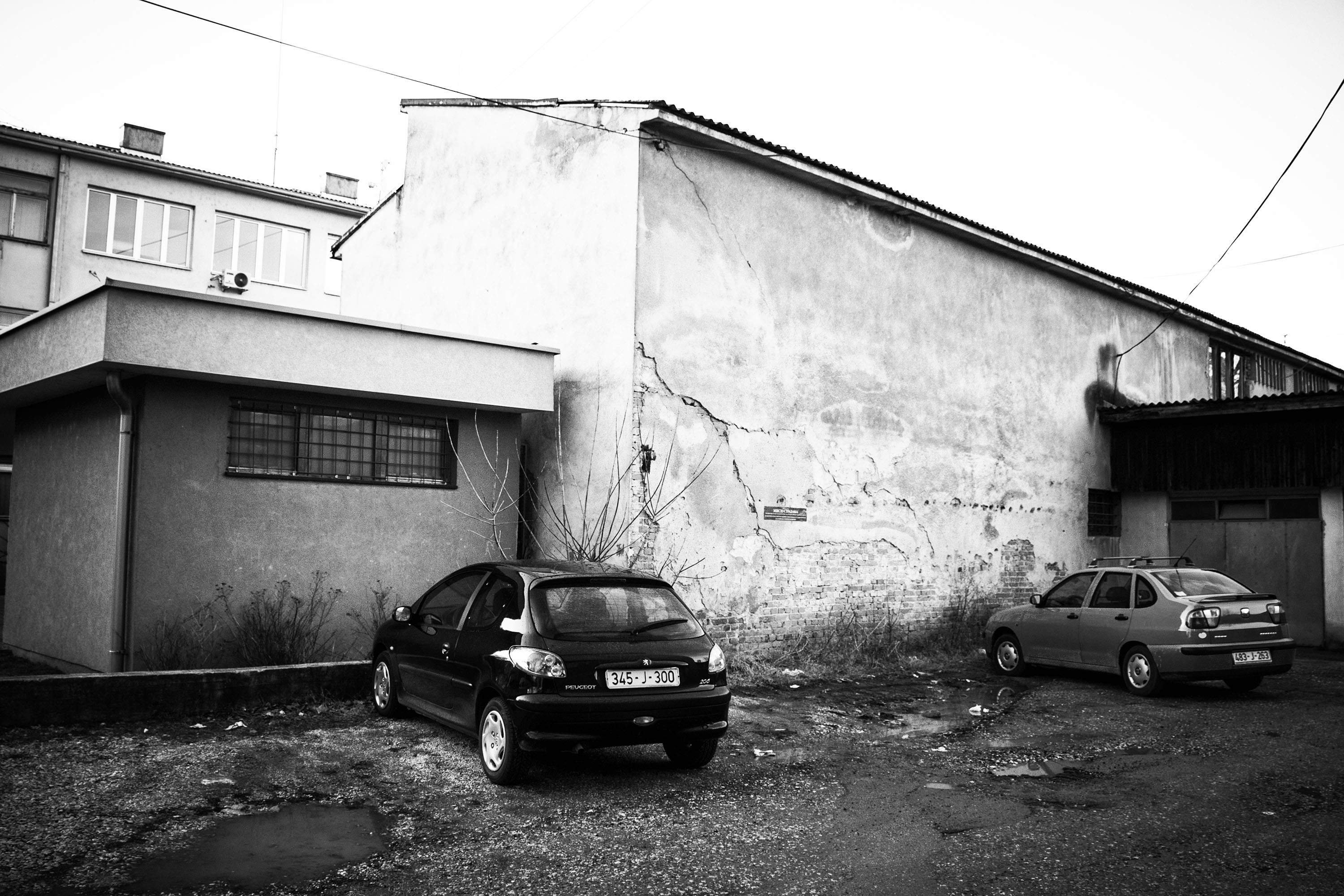
Ćućurak Hill, Mostar

Ćućurak Hill, Mostar

Info

Zanatski centar, Brčko

Location:
Brčko District of BiH

Importance of the locality:

On 7 May 1992, from the police station, which was a site of detention for Bosniaks at the time, member of VRS Goran Jelisić took two civilians, Husein Kršo and Hajrudin Muzurović, to the Zanatski centar Street and killed them. Belgrade photojournalists Bojan Stojanović and Srđan Petrović caught the killing with their cameras and their photographs were used as evidence of this war crime in Brčko before the ICTY. Barbara Matejčić wrote in detail about the murder of Kršo and Muzurović, and the role of photographer Stojanović in these events, in her award-winning investigative article “Ubijanje za fotografiju: Šta se krije iza jedinog snimka smrti u ratu u Jugoslaviji“ [Killing for the Photo: What lies behind the only live photo of death in the war in Yugoslavia]. According to her investigation, there are strong indications that Stojanović and Petrović did not just record the murder as photographers, but took part in it.

Entity:
Brčko district

Ethnic group:
Bosniaks

Area that victims came from:
Brčko

Responsibility:
JNA, MUP RS

Court trials:

The International Criminal Tribunal for the former Yugoslavia (ICTY) convicted Momčilo Krajišnik, the wartime speaker of the National Assembly of Republika Srpska, for war crimes committed in Brčko, under the doctrine of command responsibility, and sentenced him to 20 years in prison. Biljana Plavšić, wartime member of the Presidency of Republika Srpska, was sentenced to 11 years in prison. Radovan Karadžić, as the president of Republika Srpska and commander in chief of its armed forces, was sentenced to life imprisonment. Ranko Češić was sentenced to 18 years in prison, while Goran Jelisić was convicted by the ICTY on 5 July 2001 for crimes committed in the territory of Brčko and sentenced to 40 years in prison. Goran Jelisić pled guilty to five of thirteen murders committed in the vicinity of the Brčko Police Station.

Commemorations:
Since 2023, UDIK has been petitioning the institutions of the Brčko District of BiH for a memorial plaque to be placed at the Zanatski centar. They are still waiting for a reply.

Data source:
ICTY

Marked and photographed:
7.05.2026.

Map:

Updated:
31.07.2026

Legenda

Army of Republic of Bosnia and Hercegovina – ARBiH
Security services command centre – CSB
Herzeg Bosnia – HB
Croat Defense Forces – HOS
Army of Croatia – HV
Croat Defense Council – HVO
Yugoslav National Army – JNA
International Crime Tribunal for Former Yugoslavia – ICTY
Ministry of Interior – MUP
People’s Defense of the Autonomous Province of Western Bosnia – NO APZB
Police station – SJB
Serb Army of Krajina – SVK
Territorial defense of Bosnia-Herzegovina – TO BiH
Army of Republic of Srpska – VRS
Army of Yugoslavia – VJ

Aktualizovano: 25. December 2019
Primary School in Potoci, Mostar

Primary School in Potoci, Mostar

Info

Zanatski centar, Brčko

Location:
Brčko District of BiH

Importance of the locality:

On 7 May 1992, from the police station, which was a site of detention for Bosniaks at the time, member of VRS Goran Jelisić took two civilians, Husein Kršo and Hajrudin Muzurović, to the Zanatski centar Street and killed them. Belgrade photojournalists Bojan Stojanović and Srđan Petrović caught the killing with their cameras and their photographs were used as evidence of this war crime in Brčko before the ICTY. Barbara Matejčić wrote in detail about the murder of Kršo and Muzurović, and the role of photographer Stojanović in these events, in her award-winning investigative article “Ubijanje za fotografiju: Šta se krije iza jedinog snimka smrti u ratu u Jugoslaviji“ [Killing for the Photo: What lies behind the only live photo of death in the war in Yugoslavia]. According to her investigation, there are strong indications that Stojanović and Petrović did not just record the murder as photographers, but took part in it.

Entity:
Brčko district

Ethnic group:
Bosniaks

Area that victims came from:
Brčko

Responsibility:
JNA, MUP RS

Court trials:

The International Criminal Tribunal for the former Yugoslavia (ICTY) convicted Momčilo Krajišnik, the wartime speaker of the National Assembly of Republika Srpska, for war crimes committed in Brčko, under the doctrine of command responsibility, and sentenced him to 20 years in prison. Biljana Plavšić, wartime member of the Presidency of Republika Srpska, was sentenced to 11 years in prison. Radovan Karadžić, as the president of Republika Srpska and commander in chief of its armed forces, was sentenced to life imprisonment. Ranko Češić was sentenced to 18 years in prison, while Goran Jelisić was convicted by the ICTY on 5 July 2001 for crimes committed in the territory of Brčko and sentenced to 40 years in prison. Goran Jelisić pled guilty to five of thirteen murders committed in the vicinity of the Brčko Police Station.

Commemorations:
Since 2023, UDIK has been petitioning the institutions of the Brčko District of BiH for a memorial plaque to be placed at the Zanatski centar. They are still waiting for a reply.

Data source:
ICTY

Marked and photographed:
7.05.2026.

Map:

Updated:
31.07.2026

Legenda

Army of Republic of Bosnia and Hercegovina – ARBiH
Security services command centre – CSB
Herzeg Bosnia – HB
Croat Defense Forces – HOS
Army of Croatia – HV
Croat Defense Council – HVO
Yugoslav National Army – JNA
International Crime Tribunal for Former Yugoslavia – ICTY
Ministry of Interior – MUP
People’s Defense of the Autonomous Province of Western Bosnia – NO APZB
Police station – SJB
Serb Army of Krajina – SVK
Territorial defense of Bosnia-Herzegovina – TO BiH
Army of Republic of Srpska – VRS
Army of Yugoslavia – VJ

Aktualizovano: 25. December 2019
Heliodrom, Mostar

Heliodrom, Mostar

Info

Zanatski centar, Brčko

Location:
Brčko District of BiH

Importance of the locality:

On 7 May 1992, from the police station, which was a site of detention for Bosniaks at the time, member of VRS Goran Jelisić took two civilians, Husein Kršo and Hajrudin Muzurović, to the Zanatski centar Street and killed them. Belgrade photojournalists Bojan Stojanović and Srđan Petrović caught the killing with their cameras and their photographs were used as evidence of this war crime in Brčko before the ICTY. Barbara Matejčić wrote in detail about the murder of Kršo and Muzurović, and the role of photographer Stojanović in these events, in her award-winning investigative article “Ubijanje za fotografiju: Šta se krije iza jedinog snimka smrti u ratu u Jugoslaviji“ [Killing for the Photo: What lies behind the only live photo of death in the war in Yugoslavia]. According to her investigation, there are strong indications that Stojanović and Petrović did not just record the murder as photographers, but took part in it.

Entity:
Brčko district

Ethnic group:
Bosniaks

Area that victims came from:
Brčko

Responsibility:
JNA, MUP RS

Court trials:

The International Criminal Tribunal for the former Yugoslavia (ICTY) convicted Momčilo Krajišnik, the wartime speaker of the National Assembly of Republika Srpska, for war crimes committed in Brčko, under the doctrine of command responsibility, and sentenced him to 20 years in prison. Biljana Plavšić, wartime member of the Presidency of Republika Srpska, was sentenced to 11 years in prison. Radovan Karadžić, as the president of Republika Srpska and commander in chief of its armed forces, was sentenced to life imprisonment. Ranko Češić was sentenced to 18 years in prison, while Goran Jelisić was convicted by the ICTY on 5 July 2001 for crimes committed in the territory of Brčko and sentenced to 40 years in prison. Goran Jelisić pled guilty to five of thirteen murders committed in the vicinity of the Brčko Police Station.

Commemorations:
Since 2023, UDIK has been petitioning the institutions of the Brčko District of BiH for a memorial plaque to be placed at the Zanatski centar. They are still waiting for a reply.

Data source:
ICTY

Marked and photographed:
7.05.2026.

Map:

Updated:
31.07.2026

Legenda

Army of Republic of Bosnia and Hercegovina – ARBiH
Security services command centre – CSB
Herzeg Bosnia – HB
Croat Defense Forces – HOS
Army of Croatia – HV
Croat Defense Council – HVO
Yugoslav National Army – JNA
International Crime Tribunal for Former Yugoslavia – ICTY
Ministry of Interior – MUP
People’s Defense of the Autonomous Province of Western Bosnia – NO APZB
Police station – SJB
Serb Army of Krajina – SVK
Territorial defense of Bosnia-Herzegovina – TO BiH
Army of Republic of Srpska – VRS
Army of Yugoslavia – VJ

Aktualizovano: 25. December 2019

Locations list

Agricultural cooperative Kravica, Bratunac
Former Territorial Defence HQ “Stela”, Alipašino Polje, Sarajevo
Bebe hamlet, Mount Borja, Teslić
Hunting Lodge in Begejci, Torak, Republic of Serbia
Batković agricultural estate, Bijeljina
Former Moša Pijade JNA Barracks in Bileća
Student Dorm in Bileća
Bosna sock factory in Bosanski Brod
Location behind the Motel in Bosanski Petrovac
Football stadium in Bratunac
Former JNA barracks in Brčko
Boće Primary School, Brčko
former Rasadnik refrigeration facility in Okrajci, Brčko
former Partizan Sports Hall, Brčko
Primary School in Gornji Rahić, Brčko
former Laser Bus Company, Brčko
former Posavina Hotel, Brčko
Public Security Station, Brčko
Location where two boys were killed in Brčko
Zanatski centar, Brčko
Mehmend-paša Sokolović Bridge – “Old Bridge”, Višegrad
Kayak Club in Brod
GIK construction warehouse, Brod
Convent – Marxist Centre, Bugojno
Bugojno Gymnasium
former BH Bank, Bugojno
Slavonija DI Furniture Salon, Bugojno
Motel Akvarijum, Bugojno
former Vojin Paleksić Primary School, Bugojno
FC Iskra Stadium, Bugojno
Former Hotel Radoč, Bužim
Hunting Lodge in Mostina, Čajniče
Military facilities in Dretelj, Čapljina
Silos in Čapljina
Powder factory in Ćoralići, Cazin
Village of Crkvina¸, Goražde
Warehouse and stadium in Crkvina near Šamac
Culture Centre in Pilica, Zvorniik
Iron Bridge, Doboj
Perčin disko, Doboj
warehouses of the former JNA barracks in Ševarlije, Doboj
Kozila Forest Estate, Drnić
Kamenica Primary School, Drvar
Dvor Primary School, Republic of Croatia
Partizan Sports Hall, Foča
Buk Bijela settlement, Foča
Construction materials warehouse in Gornji Zovik near Brčko
Old building of the Grabovica Primary School, Kotor Varoš
Hotel Igman, Hadžići
Hotel Vilina vlas, Višegrad
Warehouse basement, Hrasnica, Ilidža
Garages, Hrasnica, Ilidža
Hotel Mrazište, Hadžići
Podlugovi Railway Station, Ilijaš
Correctional facility Butmir (Kula), Istočno Sarajevo
Museum “Battle for the Wounded at Neretva”, Jablanica
Bravnice, Jajce
Silos in Kaćuni, Busovača
Motel Sretno, Kakanj
Gunpowder Warehouse, Kalinovik
“Meka brda”, Kalinovik
Franjo Herljević Hunting Lodge in Kamenica, Zavidovići
13th kilometre, Zavidovići
Dvorac Kerestinec, Kerestinec, Republic of Croatia
Musala Sports Hall, Konjic
Čelebići Barracks, Konjic
Korićanske stijene, Kneževo
Lisac pit, Krupa na Uni
Black House, Vitez
Ivan Goran Kovačić Primary School, Livno
Elektroprivreda Garages in Livno
“Dalibor Perković Dali” Sports Hall in Livno
The pit above Zastinje on Bašajkovac Hill near Livno
Former Committee Building in Livno
Primary school in the village of Zabrišće
Primary school in the village of Orguz
Ljubija Football Stadium, Prijedor
Redak 1 and Redak 2, Kipe, Prijedor
Military prison in Ljubuški
Old Trade School, Vareš
Manjača Agricultural Estate, Banja Luka
Karaman’s house, Foča
Abattoir facility in Modrac, Lukavac
Faculty of Mechanical Engineering, Mostar
Stadium at Bijeli brijeg, Mostar
Fourth Primary School, Mostar
JNA Hall in Nevesinje
“Alatnica”, Nevesinje
Una Hotel, Novi Grad/Bosanski Novi
Mlakve Stadium, Novi Grad/Bosanski Novi
Strolit foundry, Odžak
Bratstvo i Jedinstvo Primary School, Odžak
Donja Mahala Primary School, Orašje
Old Culture Centre, Pale
Desanka Maksimović Primary School in Petkovci, Zvornik
Red Silt Dam, Petkovci, Zvornik
Počulica Social Centre, Vitez
Poljari Primary School, Derventa
Skender’s houses, Mostar
Ćućurak Hill, Mostar
Primary School in Potoci, Mostar
Ribnjak – Marino Selo, Požega-Slavonia County,Croatia
Former Prekaja Primary School, Drvar
Warehouse in Pribinić, Teslić
Auxiliary facility at the Public Security Station, Prijedor
Former Sloga shoe factory, Prnjavor
“Tuzla Convoy of Salvation”, Novi Travnik
Old school building in Rizvanovići, Prijedor
Heliodrom, Mostar
Plant nursery in Rogatica
Lušci Palanka, Sanski Most
Zdena settlement, Sanski Most
Dobrovoljačka Street, Sarajevo
Kazani, Sarajevo
Veliki park, Sarajevo
Tobacco Station in Široki Brijeg
Former police station, Srebrenica
Stajićevo Farm, Republic of Serbia
Koštana hospital, Stolac
Štrpci Railway Station, Rudo
Silos in Tarčin, Hadžići
Former Territorial Defence building in Teslić
Village of Miletići, Travnik
Trnopolje Social Centre, Prijedor
Rogoj Mountain Pass
Hotel Treskavica, Trnovo
Hotel Maršal (former Hotel Famos), Trnovo
Brčanska Malta, Tuzla
Šumarstvo Company building, Vareš
Autotrans building, Vareš
Former Nepeke farm, Velika Kladuša
Former Dubrave farm, Velika Kladuša
Former detention facility in Vijaka, Prnjavor
Culture Centre in Miska Glava, Prijedor
Former police resort at Boračko Lake / Cafe Bar Strela
Former Cultural Centre in Čelopek
Cultural Centre in Drinjača
Ljubatovići Primary School, Žepče
Gym hall at the Perkovići Primary School, Žepče
Silos in Polje, Derventa
Youth Centre in Rapatnica
Rooms of the Football Club in Rapatnica
Barracks of the former Planum construction company, village of Šljivovica, Republic of Serbia
“Rašidov Han”, Snagovo
Military agricultural cooperative Sušica, Vlasenica
Former Ahmet Fetahagić Barracks in Visoko
Culture Centre in Vitez
Dubravica Primary School, Vitez
Sonja Pension and bunker behind the pension, Vogošća
Vojno Camp, Mostar
Pavilion 22 at the Zabreb Fair, Croatia
Music School, Zenica
Village of Bilivode, Zenica
Zenica Penitentiary, Zenica
Silos, Žepče
Gym hall at the Žepče Primary School, Žepče
Primary School Dnopolje, village of Zijemlje
Dubravica-Breza pit, village of Zijemlje
Doline-Kušići pit, village of Zijemlje